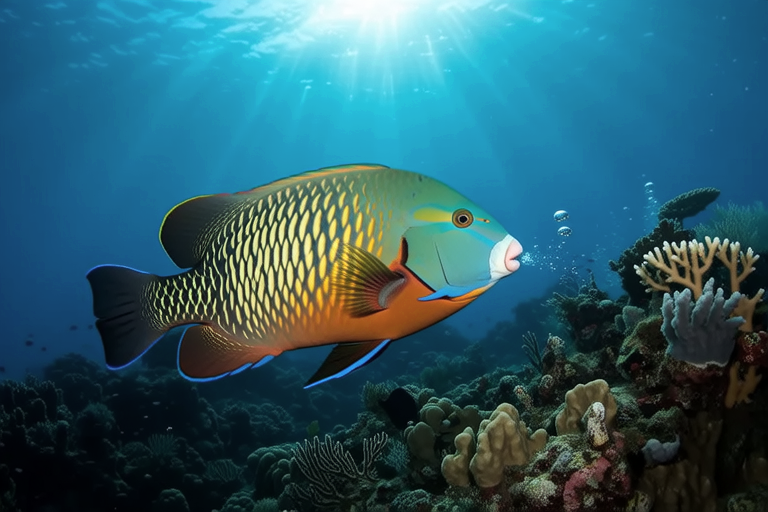
How Parrot Fish Are Secretively Shaping Our Oceans
When you think of parrot fish, you might picture vibrant, colorful creatures gliding gracefully through tropical waters, adding splashes of color to coral reefs. While this image is undeniably charming, it only scratches the surface of the crucial role these fish play in maintaining the health and balance of our oceans. Parrot fish are more than just eye-catching beauties; they are vital architects of marine ecosystems, quietly shaping the very foundations of our oceans. Their ecological roles extend far beyond aesthetics, influencing coral reef health, nutrient cycling, and marine biodiversity. Understanding their significance is key to preserving the delicate balance of our marine environments.
The Architects of Coral Reefs
Coral reefs are often referred to as the rainforests of the sea, teeming with life and providing essential habitats for countless species. However, these ecosystems are under constant threat from various factors, including climate change, pollution, and overfishing. Parrot fish, with their unique feeding habits, play a pivotal role in maintaining the structural integrity of coral reefs.
Parrot fish have specialized teeth that resemble a parrot’s beak, which they use to scrape algae off coral surfaces. This process, known as bioerosion, is crucial for the health of coral reefs. By removing algae, parrot fish prevent the overgrowth that can smother and kill corals. In fact, a single large parrot fish can consume up to one ton of algae per year. Without them, algae would rapidly dominate, outcompeting corals for space and resources.
Moreover, parrot fish contribute to the formation of sand by consuming coral skeletons. As they grind up the calcium carbonate structures of dead corals, their digestive systems break down these materials into fine particles. These particles are then excreted as sand, contributing significantly to the formation of beaches and islands. In some regions, parrot fish are responsible for up to 75% of the sand on beaches. This sand not only provides habitat for other marine organisms but also protects coastlines from erosion.
Contributors to Nutrient Cycling
Nutrient cycling is a fundamental process in any ecosystem, ensuring that nutrients are continuously recycled and made available for plant growth. Parrot fish play a crucial role in this cycle, particularly in coral reef ecosystems. When they consume algae and coral polyps, they digest these materials and release nutrients back into the water.
The waste products of parrot fish, rich in nitrogen and phosphorus, serve as essential nutrients for phytoplankton, the microscopic plants that form the base of many marine food webs. Phytoplankton, in turn, support larger organisms, creating a ripple effect throughout the entire ecosystem. This nutrient recycling helps maintain the productivity and diversity of coral reefs, ensuring that they remain vibrant and healthy.
In addition to their direct contribution to nutrient cycling, parrot fish indirectly influence nutrient availability by altering the physical structure of coral reefs. Their grazing activities create microhabitats that attract other species, further enhancing the complexity and resilience of the ecosystem. For example, the holes and crevices created by parrot fish provide shelter for smaller fish and invertebrates, increasing biodiversity and promoting ecological stability.
The Impact of Grazing Habits on Marine Biodiversity
The grazing habits of parrot fish have far-reaching consequences for marine biodiversity. By controlling algal growth and maintaining the balance between corals and algae, parrot fish help prevent the dominance of algae, which can lead to coral bleaching and death. This balance is critical for the survival of numerous species that depend on coral reefs for food and shelter.
Real-world examples illustrate the profound impact of parrot fish on marine biodiversity. In the Caribbean, where parrot fish populations have declined due to overfishing and habitat destruction, coral reefs have suffered significant degradation. Algal blooms have become more frequent, leading to reduced coral cover and diminished biodiversity. Conversely, areas with healthy parrot fish populations tend to have healthier coral reefs and greater overall biodiversity.
One notable example is the Great Barrier Reef in Australia. Research has shown that areas with higher densities of parrot fish exhibit better coral health and more diverse communities of marine life. The presence of parrot fish helps to maintain the delicate balance necessary for the reef’s resilience against environmental stressors such as warming waters and increased acidity.
The Threats Facing Parrot Fish Populations
Despite their vital role in marine ecosystems, parrot fish populations face numerous threats that jeopardize their ability to perform their ecological functions. Overfishing is one of the most significant challenges, as parrot fish are highly sought after for their meat and vibrant colors. Many fishing practices, such as dynamite fishing and cyanide poisoning, not only deplete parrot fish populations but also damage coral reefs, exacerbating the problem.
Additionally, habitat destruction poses a serious threat to parrot fish. Coastal development, pollution, and climate change all contribute to the degradation of coral reefs, reducing the available habitat for parrot fish and other marine species. As reefs shrink, so too does the space for parrot fish to graze and reproduce, further diminishing their numbers.
Preserving Parrot Fish for Ocean Sustainability
The importance of preserving parrot fish populations cannot be overstated. Their role in maintaining coral reef health, nutrient cycling, and marine biodiversity underscores their significance for the overall sustainability of our oceans. To ensure the continued well-being of these ecosystems, concerted efforts must be made to protect parrot fish and their habitats.
Conservation initiatives, such as marine protected areas (MPAs) and sustainable fishing practices, are essential steps toward safeguarding parrot fish populations. MPAs provide safe havens where parrot fish can thrive without the threat of overfishing, allowing their populations to recover and stabilize. Additionally, implementing fishing regulations that limit the catch of parrot fish and promote alternative fishing methods can help reduce pressure on these valuable species.
Furthermore, raising awareness about the importance of parrot fish and their ecological roles is crucial for garnering public support for conservation efforts. Educating both local communities and global audiences about the benefits of preserving parrot fish can inspire action and foster a sense of responsibility for protecting marine ecosystems.
In conclusion, parrot fish are unsung heroes of our oceans, playing a secret yet indispensable role in maintaining the health and balance of marine ecosystems. From their contributions to coral reef health and nutrient cycling to their impact on marine biodiversity, parrot fish are integral to the sustainability of our oceans. By understanding and appreciating their significance, we can take meaningful steps to protect these remarkable creatures and ensure the vitality of our marine environments for generations to come.
