The Fascinating World of Bearded Dragons: Fun Facts You Need to Know
Bearded dragons are one of the most popular reptile pets around the world. These fascinating creatures have captured the hearts of many due to their unique physical characteristics, behaviors, and ease of care. In this article, we will explore the captivating world of bearded dragons, delving into their physical attributes, habitat, diet, communication methods, and the essential care tips every owner should know.
Physical Characteristics
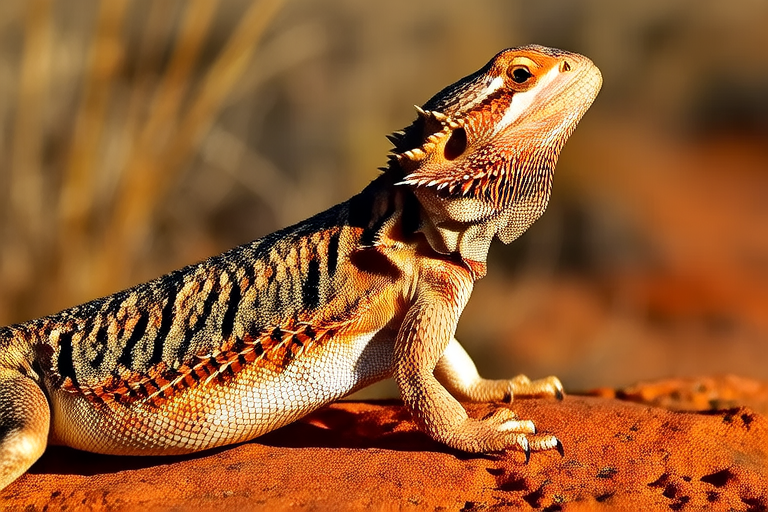
Bearded dragons, scientifically known as Pogona vitticeps, are medium-sized lizards native to the arid regions of Australia. They are easily recognizable by their flattened bodies, spiky scales, and distinctive beard located under their chin. The beard can puff out when the dragon feels threatened or during courtship displays, appearing darker and more intimidating.
One of the most intriguing aspects of bearded dragons is their ability to change color. This adaptation helps them regulate their body temperature and communicate with other dragons. When the temperature drops, they may become darker to absorb more heat from the sun. Conversely, they lighten up to reflect sunlight and prevent overheating. Additionally, bearded dragons use color changes to express their mood or intentions, ranging from calm and relaxed to stressed or aggressive.
Bearded dragons also possess a third eye, known as the parietal eye, located on top of their head. This light-sensitive organ helps them detect changes in light and shadow, which can be crucial for avoiding predators or finding prey.
Habitat and Behavior
Native to the semi-arid woodlands and deserts of central Australia, bearded dragons thrive in warm, dry environments with plenty of rocks and trees for basking. In the wild, they are primarily diurnal, meaning they are active during the day and rest at night. These lizards spend much of their time basking on rocks or branches, soaking up the warmth of the sun.
Bearded dragons are social animals and enjoy interacting with their human companions. They are known for their docile nature and are relatively easy to handle, making them ideal pets for both beginners and experienced reptile owners. However, it’s important to approach them gently and allow them to get used to your presence before attempting to handle them.
These lizards are also curious and playful, often exploring their surroundings with their tongues. They use their tongues to taste and gather information about their environment, much like how humans use their sense of touch. Bearded dragons are also known to engage in various behaviors, such as arm waving and head bobbing, which are thought to serve as forms of communication.
Diet and Nutrition
Bearded dragons are omnivores, meaning they eat both plant matter and animal protein. Their diet in the wild consists mainly of insects, flowers, leaves, and fruits. As pets, their diet should be carefully balanced to ensure they receive all the necessary nutrients for optimal health.
Insects, such as crickets, dubia roaches, and mealworms, should make up a significant portion of their diet. It’s important to gut-load these insects with nutritious food before feeding them to your dragon to maximize the nutritional value. Vegetables and fruits, including leafy greens, squash, carrots, and berries, should also be offered regularly.
Vitamin and mineral supplements are essential for maintaining the health of your bearded dragon. Calcium and vitamin D3 are particularly important for bone development and preventing metabolic bone disease. Dusting the insects with these supplements once or twice a week can help ensure your dragon receives the necessary nutrients.
Communication and Social Interaction
Bearded dragons have several unique ways of communicating with each other and their human companions. One of the most notable forms of communication is the display of their beards, which can puff out and darken when the dragon feels threatened or during courtship. Head bobbing is another common behavior, where the dragon lowers its head and rapidly raises it in a nodding motion. This behavior is often used to assert dominance or attract a mate.
Arm waving is another interesting behavior observed in bearded dragons. This gentle swaying motion of the front leg is believed to be a form of non-aggressive communication, possibly used to signal submission or to show interest in mating.
Bearded dragons are also sensitive to touch and can develop a bond with their owners through regular handling and interaction. They may even recognize their owners and respond positively to familiar voices and gestures.
Care Requirements
Proper care is essential for keeping your bearded dragon healthy and happy. A well-designed enclosure is the first step in providing a suitable environment for your pet. The size of the enclosure should be proportional to the size of the dragon, with a minimum of 4 feet long, 2 feet wide, and 2 feet high for an adult dragon. The enclosure should provide ample space for basking, climbing, and hiding.
Heating and lighting are critical components of the enclosure setup. Bearded dragons require a temperature gradient within their habitat, with a hot spot reaching between 95-110°F (35-43°C) and a cooler area around 75-85°F (24-29°C). This allows them to thermoregulate and maintain their body temperature. UVB lighting is also essential for calcium metabolism and vitamin D3 synthesis. A 10% UVB bulb placed close to the basking area is recommended.
Substrate choice is another important consideration. While some substrates, such as sand or gravel, may seem natural, they can pose risks if ingested by the dragon. Safer alternatives include paper towels, reptile carpet, or tile. Water dishes should be provided for drinking and soaking, and fresh water should be offered daily.
Grooming is an essential part of bearded dragon care. Regular nail trimming may be necessary to prevent overgrowth, and occasional baths can help keep your dragon clean and hydrated. Bearded dragons may also benefit from occasional misting or shallow soaking to encourage shedding.
Tips for Potential Owners
If you’re considering adding a bearded dragon to your family, there are a few key things to keep in mind. First, research extensively and understand the commitment involved in caring for a reptile. Bearded dragons can live for 8-12 years, so it’s important to be prepared for the long-term responsibility.
When selecting a bearded dragon, choose a reputable breeder or pet store that prioritizes the health and well-being of their animals. Look for a dragon that is alert, active, and has clear eyes, smooth skin, and a full tail. Avoid dragons that appear lethargic, have discharge from their eyes or nose, or have any signs of illness.
Handling your bearded dragon gently and frequently is crucial for building trust and ensuring they remain comfortable around people. Always support their body when holding them, and avoid grabbing them by the tail, as this can cause injury. Allow your dragon to get used to your scent and presence before attempting to interact with them.
Regular veterinary check-ups are essential for maintaining your bearded dragon’s health. Reptile-specific veterinarians can provide valuable guidance and address any concerns you may have about your dragon’s care.
Conclusion
Bearded dragons are fascinating creatures with unique physical characteristics, behaviors, and care requirements. From their ability to change color to their playful interactions, these lizards offer endless opportunities for learning and enjoyment. By understanding their needs and providing a suitable environment, you can ensure your bearded dragon lives a long, healthy, and happy life.
