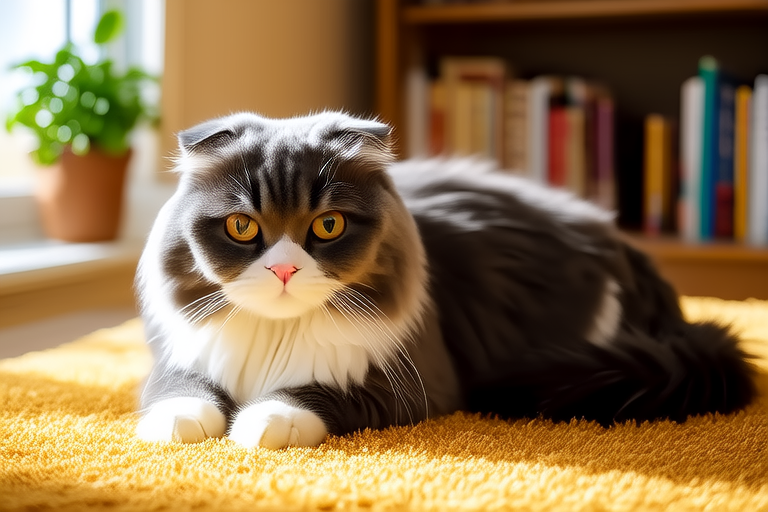
The Cozy Life of a Scottish Fold: Inside the World’s Fluffiest Companion
When you think of the perfect feline companion, the Scottish Fold might just come to mind. With their unique folded ears and plush coats, these cats are as charming as they are cuddly. This article delves into the world of the Scottish Fold, exploring their distinctive physical features, delightful personalities, rich history, and essential care requirements.
A Look at Their Unique Physical Traits
The most striking feature of the Scottish Fold is undoubtedly its ears, which fold forward and downward in a characteristic manner. This genetic mutation causes the cartilage in their ear to bend, resulting in a look that is both adorable and unmistakable. The folds can vary from a simple bend at the tip to a triple fold that touches the head. This unique appearance has made the Scottish Fold one of the most recognizable breeds in the world.
In addition to their folded ears, Scottish Folds have thick, plush coats that come in various colors and patterns. Their fur is soft and dense, providing excellent insulation against cold weather. This makes them well-suited for cooler climates, where they can enjoy lounging in sunny spots or snuggling up with their owners.
Temperament and Ideal Companionship
Scottish Folds are known for their gentle and affectionate nature. They are often described as having dog-like personalities due to their loyalty and attachment to their human families. These cats are highly social and enjoy spending time with their owners, whether it be sitting on laps, playing interactive games, or simply being nearby. Their calm demeanor and easygoing attitude make them ideal companions for people of all ages.
Despite their love for attention, Scottish Folds are not overly demanding. They are content to observe their surroundings and will often find quiet moments to relax. Their adaptability and patience make them suitable for households with children and other pets. However, they do require regular interaction and stimulation to prevent boredom.
Origins and Breeding History
The history of the Scottish Fold dates back to 1961 when a barn cat named Susie was discovered in Scotland. Susie had unusual folded ears, and her offspring inherited this trait. A local shepherd, William Ross, took interest in the breed and began breeding these cats. The first breed standard was established in 1978, and the Scottish Fold was recognized by The International Cat Association (TICA) in 1979.
Today, Scottish Folds are bred for their distinctive appearance and friendly temperament. Breeders focus on maintaining healthy bloodlines while preserving the breed’s unique characteristics. It is important to purchase a Scottish Fold from a reputable breeder who prioritizes the health and well-being of the cats.
Health Considerations
While Scottish Folds are generally healthy, there are some health considerations to be aware of. One of the most significant concerns is osteochondrodysplasia, a condition affecting the cartilage in their ears and joints. This condition can lead to joint issues and discomfort if left untreated. Regular veterinary check-ups and early intervention are crucial for managing this condition.
Additionally, Scottish Folds may be prone to obesity if not provided with proper nutrition and exercise. Maintaining a balanced diet and encouraging playtime can help keep your Scottish Fold healthy and active. Regular grooming is also essential to prevent matting and skin irritation, especially for long-haired varieties.
Dietary Needs and Grooming Routines
Scottish Folds thrive on a high-quality, protein-rich diet that supports their overall health and energy levels. Consult with your veterinarian to determine the appropriate amount and type of food for your cat based on age, weight, and activity level. Fresh water should always be available, and treats should be given sparingly to avoid overfeeding.
Grooming is an important aspect of caring for a Scottish Fold. Their thick coats require regular brushing to remove loose hair and prevent matting. Long-haired Scottish Folds may need daily brushing, while short-haired varieties can be brushed weekly. Pay special attention to their ears, cleaning them gently with a damp cloth if necessary. Regular nail trimming and dental care are also essential for maintaining good hygiene.
Typical Behaviors and Bonding Stories
Scottish Folds are known for their playful and curious nature. They enjoy interactive toys and puzzles that stimulate their minds and provide entertainment. Many owners report that their Scottish Folds are quick learners and enjoy participating in training sessions. Positive reinforcement techniques such as clicker training can be effective in teaching tricks and commands.
The bond between Scottish Folds and their owners is often strong and enduring. Stories abound of these cats forming deep connections with their humans. One owner shared how their Scottish Fold would follow them around the house, always seeking out companionship. Another recounted how their cat would curl up next to them on the couch, offering comfort during difficult times.
These anecdotes highlight the special relationship that can develop between a Scottish Fold and its family. Whether it’s a loyal lap cat or an adventurous playmate, a Scottish Fold can bring joy and warmth into your home.
Conclusion
The Scottish Fold is a unique and delightful breed that offers a lifetime of companionship and affection. With their distinctive folded ears and plush coats, these cats are sure to capture hearts wherever they go. By understanding their physical traits, temperament, and care requirements, you can ensure that your Scottish Fold lives a happy and healthy life. Whether you’re a seasoned cat owner or considering adopting your first feline friend, the Scottish Fold is a wonderful choice for those seeking a loving and loyal companion.
