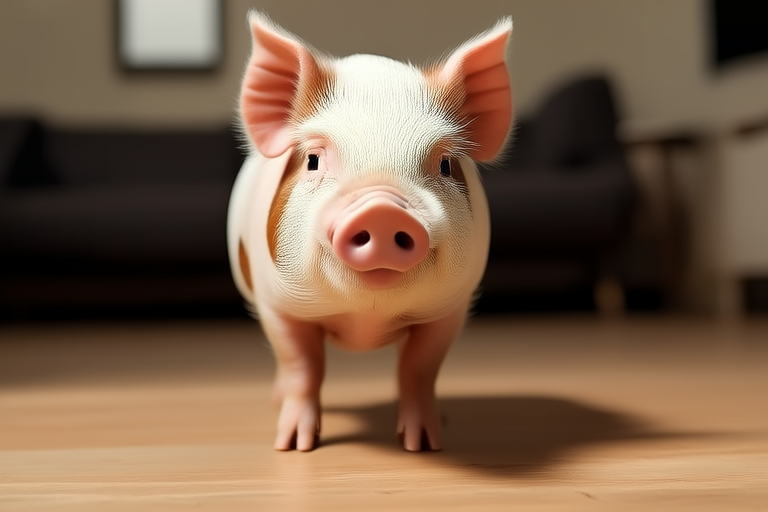
From Micro to Mini: The Rise of Pocket Pigs as Unique Pets
Pocket pigs, also known as miniature or teacup pigs, have gained significant attention in recent years as unconventional but increasingly popular pets. These pint-sized porcines offer a unique blend of charm, intelligence, and manageable size that sets them apart from traditional farmyard pigs. This article delves into the world of pocket pigs, exploring their origins, characteristics, and the reasons behind their growing popularity.
What Are Pocket Pigs?
Pocket pigs are selectively bred from pot-bellied pigs to achieve a smaller size while retaining many of the larger pig’s endearing traits. They typically weigh between 30 to 70 pounds, making them much more manageable for apartment living compared to standard breeds. Their origins can be traced back to Southeast Asia, where they were initially domesticated for agricultural purposes. Over time, selective breeding has led to the development of pocket pigs, which are now cherished companions in homes around the globe.
The Growing Popularity of Pocket Pigs
The surge in pocket pig ownership can be attributed to several factors. Firstly, their compact size makes them ideal for urban environments where space is limited. Unlike their larger counterparts, pocket pigs require less room and can thrive in apartments or houses with moderate living spaces. Secondly, pocket pigs are known for their gentle demeanor and affectionate nature, making them excellent companions for families and individuals alike. They are intelligent animals that can form strong bonds with their human caregivers, often displaying behaviors similar to dogs, such as following commands and seeking attention.
Another reason for their increasing popularity lies in the relatively low maintenance required to care for them. While pocket pigs do need regular exercise and mental stimulation, their dietary needs are straightforward, and they generally adapt well to indoor living conditions. This ease of care, combined with their charming appearance, has made them a sought-after pet among those looking for something different.
Comparisons with Other Small Pets
When considering pocket pigs as pets, it’s essential to compare them with other common household animals like cats, dogs, and rabbits. One of the most striking differences is their intelligence. Pocket pigs are highly intelligent and can learn tricks and respond to commands, much like dogs. However, unlike dogs, pocket pigs are not as dependent on constant human interaction, making them suitable for people who may be away during the day.
Compared to cats, pocket pigs are more social and interactive, often preferring to engage with their owners rather than being independent. Rabbits, while also small and cuddly, tend to be more aloof and may not form the same level of attachment as pocket pigs. Pocket pigs also have a longer lifespan than many small pets, often living up to 15 years or more, which means a long-term commitment from the owner.
Tips for Potential Owners
Housing
Proper housing is crucial for the well-being of pocket pigs. While they can live indoors, providing a comfortable outdoor area is beneficial for their physical and mental health. An enclosed pen with access to shade and shelter is ideal. Inside the home, a crate or designated sleeping area should be provided, ensuring it’s large enough for the pig to stand up and turn around comfortably. Soft bedding, such as straw or hay, helps create a cozy environment.
Feeding
Diet plays a significant role in maintaining the health of pocket pigs. A balanced diet consisting of commercial pig feed, fresh vegetables, and fruits is recommended. It’s important to avoid overfeeding, as obesity can lead to health issues. Consultation with a veterinarian specializing in exotic animals can provide tailored advice based on the specific needs of your pig.
Training
Training pocket pigs is both enjoyable and rewarding. Positive reinforcement techniques, such as treats and praise, work best. Basic commands like ‘sit,’ ‘stay,’ and ‘come’ can be taught, fostering a stronger bond between the pig and its owner. Consistency and patience are key, as these intelligent animals thrive on routine and clear expectations.
The Future of Pocket Pigs as Pets
The future looks bright for pocket pigs as pets, with continued growth in their popularity expected. However, there are challenges that prospective owners should consider. One major issue is the prevalence of unscrupulous breeders who may misrepresent the size of their pigs, leading to disappointment when the pig grows larger than expected. Education and awareness campaigns can help mitigate this problem by encouraging responsible breeding practices and realistic expectations among potential buyers.
Another consideration is the ongoing adaptation of communities to accommodate pocket pigs. As more people adopt these pets, there may be a need for adjustments in local regulations regarding pet ownership. Ensuring that pocket pigs are recognized as valid pets in various areas will be crucial for their continued acceptance.
In conclusion, pocket pigs offer a unique and rewarding experience for those willing to commit to their care. Their intelligence, affectionate nature, and manageable size make them stand out as exceptional companions. By understanding their needs and providing proper care, owners can enjoy a fulfilling relationship with these delightful creatures. As the trend continues to grow, it’s essential to support responsible ownership and ensure that pocket pigs remain cherished members of our households.
