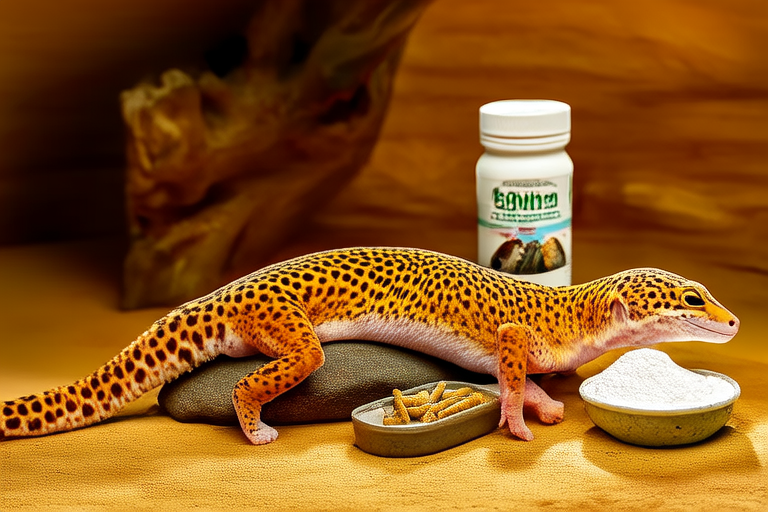
Setting Up an Ideal Diet for Your Lizard Lover
Welcome to the comprehensive guide on setting up an ideal diet for your lizard lover! Whether you’re a new or experienced reptile owner, understanding the nutritional requirements of your scaly friend is crucial for their health and longevity. This guide will walk you through the steps needed to provide a balanced diet tailored to different lizard species.
Understanding Nutritional Needs of Lizards
Lizards have specific dietary requirements that vary based on their species, age, and activity level. Key nutrients include:
- Protein: Essential for muscle development and repair.
- Fats: Provide energy and help with nutrient absorption.
- Carbohydrates: Supply quick energy.
- Vitamins: Including vitamin A, D3, and calcium for bone health.
- Water: Critical for hydration.
Ensuring these elements are present in appropriate quantities is vital for your lizard’s overall health.
Different Food Types Suitable for Various Lizard Species
The type of food you feed your lizard depends largely on its natural habitat and diet preferences. Here’s a breakdown by species:
Insectivorous Lizards
These lizards primarily eat insects. Suitable insects include crickets, mealworms, superworms, wax worms, and dubia roaches. Always ensure the insects are gut-loaded (fed nutritious foods) before offering them to your lizard.
Herbivorous Lizards
Herbivorous lizards consume plant matter. Offer fresh vegetables such as collard greens, mustard greens, dandelion leaves, and fruits like berries and melons. Avoid iceberg lettuce and spinach, which lack essential nutrients.
Omnivorous Lizards
Omnivorous lizards eat both plants and animals. Combine insect meals with a variety of fruits and vegetables to meet their dietary needs.
Portion Sizes and Feeding Frequency
Correct portion sizes and feeding frequencies are crucial for maintaining a healthy weight and preventing obesity or malnutrition.
For Juvenile Lizards
Feed juveniles daily, ensuring they get enough protein for growth. Offer smaller portions to prevent overfeeding.
For Adult Lizards
Adults generally require less frequent feeding—about every other day. Adjust portions according to their size and activity level.
Tips for Maintaining a Healthy Diet
Several strategies can help maintain a balanced diet:
- Variety: Rotate different types of food to ensure a broad spectrum of nutrients.
- Gut Loading: Feed insects a nutritious diet rich in vitamins and minerals before offering them to your lizard.
- Supplements: Use calcium and vitamin D3 supplements to support bone health.
- Hydration: Provide fresh water daily and mist your lizard’s enclosure to encourage drinking.
Common Dietary Issues and Misconceptions
Addressing common problems can prevent potential health issues:
Overfeeding
Excessive feeding leads to obesity, which can cause liver disease and reduced lifespan. Monitor your lizard’s body condition and adjust feeding accordingly.
Underfeeding
Insufficient food can lead to malnutrition, weakened immune system, and slow growth. Ensure your lizard gets adequate nutrition.
Calcium Deficiency
Calcium deficiency can result in metabolic bone disease. Supplement with calcium and vitamin D3 regularly.
Misconception: Feeding Only Insects
Many owners believe insects alone suffice. However, a varied diet ensures all necessary nutrients are provided.
Monitoring Your Lizard’s Health
Regular health checks are essential. Look for signs of illness such as lethargy, loss of appetite, swollen joints, or difficulty moving. Consult a veterinarian if you notice any concerning symptoms.
Conclusion
Providing a balanced diet for your lizard is fundamental to their well-being. By understanding their nutritional needs, selecting appropriate foods, and monitoring their health, you can ensure your lizard enjoys a long and healthy life. Remember, each lizard is unique, so tailor their diet accordingly and seek professional advice when necessary.
