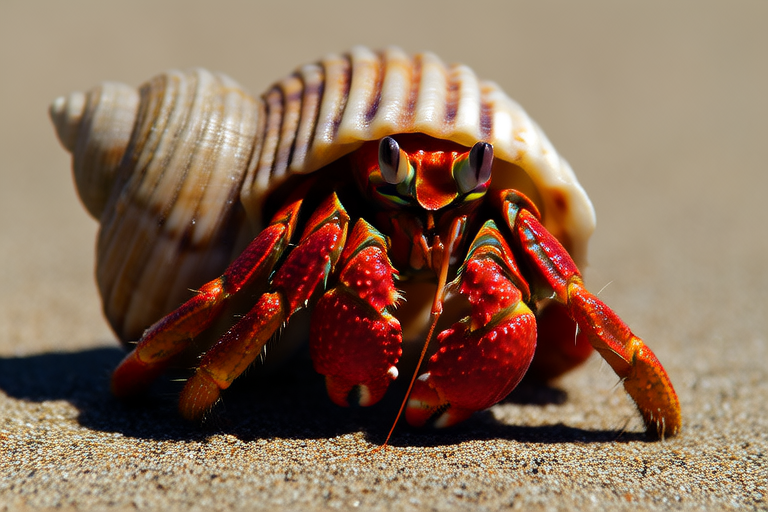
The Complete Guide to Hermit Crab Care: Tips for Happy Shells
Hermit crabs are fascinating creatures that make wonderful pets. They are low-maintenance, but they still require specific conditions to thrive. This comprehensive guide will cover everything you need to know about hermit crab care, from setting up their habitat to ensuring their health during the molting process.
Proper Habitat Setup
Creating a suitable environment is crucial for your hermit crabs’ well-being. Start by choosing an appropriately sized tank; a 10-gallon aquarium is adequate for a small group of crabs. The enclosure should have a secure lid to prevent escapes. A mix of sand, coconut fiber, or crushed coral can be used as substrate, providing a comfortable space for digging and burrowing.
In addition to substrate, include various shells for your crabs to swap out as they grow. Providing a range of sizes and shapes ensures each crab has a suitable home. Add branches, caves, and other decorations for climbing and hiding. Ensure these items are clean and safe for your pets. Avoid sharp edges that could injure your crabs.
Diet and Nutrition
A balanced diet is essential for maintaining your hermit crabs’ health. Offer a variety of foods, including fresh fruits (such as apples, bananas, and melons), vegetables (like carrots, cucumbers, and leafy greens), and protein sources (such as boiled chicken, shrimp, or fish). Commercial hermit crab food can also be provided, but it should not be the sole source of nutrition.
Provide fresh water and salt water dishes daily. The salt water dish should contain a mixture of filtered water and marine aquarium salt. Ensure the dishes are shallow enough for easy access and deep enough to submerge their bodies entirely. This helps maintain proper hydration and allows them to clean their antennae.
Health Care
Regular monitoring of your hermit crabs’ behavior and physical condition is vital for early detection of potential issues. Signs of distress may include lethargy, loss of appetite, or difficulty moving. If you notice any concerning symptoms, consult a veterinarian specializing in exotic pets for diagnosis and treatment.
Preventative care includes maintaining optimal temperature and humidity levels within the enclosure. Use thermometers and hygrometers to monitor these conditions. Keep the temperature between 75°F and 85°F and the humidity at 70% to 80%. Proper ventilation is also important, so ensure there are adequate air holes in the enclosure.
Molting Process
The molting process is a natural part of a hermit crab’s life cycle. During this time, they shed their exoskeleton and form a new one. To prepare for molting, increase humidity and provide extra calcium-rich foods. Molting can take several weeks, during which the crab becomes vulnerable. Avoid handling the crab during this period and ensure its safety by keeping the enclosure stable.
Once the molt is complete, remove the old exoskeleton from the enclosure to prevent bacterial growth. Observe the crab closely to ensure it has fully recovered and resumed normal activity.
Shell Selection and Swapping
Selecting appropriate shells is crucial for your hermit crabs’ happiness. Provide a variety of sizes and styles to accommodate different needs and preferences. Ensure the shells are clean and free from harmful chemicals. You can sterilize shells by boiling them in saltwater for 20 minutes and then rinsing them thoroughly.
Encourage shell swapping by placing new shells in the enclosure regularly. Some crabs may resist changing shells initially, but with time and patience, they will find their perfect fit. Never force a crab into a new shell; allow them to make the decision on their own.
Temperature and Humidity Requirements
Hermit crabs are tropical animals that thrive in warm, humid environments. Maintain a temperature range of 75°F to 85°F using under-tank heaters or heat lamps. Use a hygrometer to monitor humidity levels, aiming for 70% to 80%. Proper ventilation is essential to prevent mold growth and maintain air circulation.
To achieve the desired humidity level, mist the enclosure daily or use a humidifier. Ensure the substrate remains moist but not soggy. Avoid using tap water, as it may contain harmful chemicals. Instead, use dechlorinated or distilled water.
