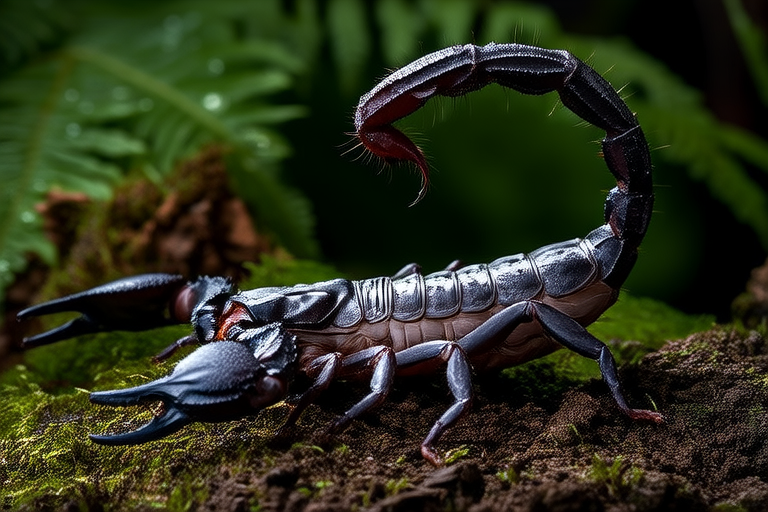
Taming the Beast: Caring for Your Heterometrus Spinifer at Home
Welcome to the world of exotic pets! If you’ve decided to bring home a Heterometrus Spinifer, commonly known as the Asian forest scorpion, you’re embarking on an exciting journey. This guide will help you understand the unique requirements and care needed to ensure your scorpion’s well-being. We’ll cover habitat setup, dietary needs, handling techniques, common health issues, and safety precautions.
The Unique Characteristics of Heterometrus Spinifer
The Heterometrus Spinifer is one of the largest species of scorpions, with adults reaching lengths of up to 8 inches. They are native to Southeast Asia and are well-known for their striking appearance, characterized by their long, slender bodies and prominent spines. These scorpions are nocturnal and spend most of their time hiding during the day, coming out at night to hunt for food.
Habitat Setup
Creating a suitable habitat for your Heterometrus Spinifer is crucial. A well-designed enclosure mimics their natural environment, ensuring your scorpion remains healthy and comfortable. Here’s what you need:
- Enclosure Size: An adult Heterometrus Spinifer requires a minimum of 12 inches x 12 inches x 12 inches (30 cm x 30 cm x 30 cm) glass or plastic tank. Ensure the enclosure has secure ventilation and a tight-fitting lid to prevent escapes.
- Substrate: Use a mix of coconut fiber and sand for substrate. This combination provides a natural feel and allows for burrowing behavior.
- Hiding Spots: Scorpions need places to hide. Provide cork bark, half logs, or artificial plants. Make sure these items are securely placed and won’t fall on your scorpion.
- Temperature and Humidity: Maintain temperatures between 75°F and 85°F (24°C to 29°C). Use a hygrometer to monitor humidity levels, which should be around 60% to 80%. Mist the substrate occasionally to maintain humidity.
- Lighting: As nocturnal creatures, Heterometrus Spinifer don’t require UV lighting. However, a low-wattage red light can be used for observation without disturbing their sleep cycle.
Dietary Needs
Feeding your Heterometrus Spinifer correctly is essential for their health. These carnivorous arachnids have specific dietary requirements:
- Food: Feed your scorpion live insects such as crickets, mealworms, and super worms. Gut-load these insects with nutritious foods before feeding them to your scorpion to enhance their nutritional value.
- Frequency: Adult scorpions should be fed once every 1-2 weeks. Juveniles may need more frequent feedings, approximately every 5-7 days. Overfeeding can lead to obesity and health issues.
- Water: Provide a shallow water dish that is large enough for your scorpion to drink from but small enough to prevent drowning. Change the water regularly to avoid bacterial growth.
Handling Techniques
While Heterometrus Spinifer can make fascinating pets, they are not meant for handling. Their venomous sting can cause pain and allergic reactions in humans. Always prioritize safety when interacting with your scorpion:
- Respect Their Space: Avoid handling your scorpion unless absolutely necessary. Use tongs or forceps for any necessary tasks, such as moving the scorpion or cleaning the enclosure.
- Wear Protective Gear: When handling, wear thick gloves to protect yourself from potential stings. Always wash your hands after handling the enclosure to prevent accidental contact with the scorpion.
- Minimize Stress: Handling your scorpion increases stress, which can weaken its immune system. Limit interactions to only what is necessary.
Common Health Issues
Like all animals, Heterometrus Spinifer can experience health problems. Being aware of common issues can help you catch problems early and seek veterinary care if necessary:
- Molting Problems: During molting, scorpions shed their exoskeleton. If your scorpion is having difficulty, it may be due to poor nutrition or environmental conditions. Ensure proper humidity and temperature, and consult a veterinarian if molting issues persist.
- Parasites: Scorpions can suffer from mite infestations. Regularly check your scorpion and enclosure for signs of parasites. Clean the enclosure thoroughly and use appropriate treatments recommended by a vet.
- Stress: Stress can lead to various health issues. Ensure your scorpion has a quiet environment and minimal disturbance. Providing adequate hiding spots and maintaining consistent environmental conditions helps reduce stress.
Safety Precautions for Owners
Handling a venomous animal comes with inherent risks. Take the following precautions to ensure the safety of both you and your scorpion:
- Education: Learn about the specific venom of your scorpion. While the venom of Heterometrus Spinifer is generally not lethal to humans, it can cause severe pain and allergic reactions. Always be prepared with antivenom if available.
- First Aid Kit: Keep a first aid kit handy that includes antihistamines, ice packs, and a bandage. If stung, apply ice to reduce swelling and pain. Seek medical attention if symptoms worsen.
- Childproofing: Ensure your scorpion’s enclosure is inaccessible to children and pets. Store the enclosure in a secure location away from high-traffic areas.
Tips for Ensuring Well-Being
Here are some additional tips to keep your Heterometrus Spinifer happy and healthy:
- Regular Check-ups: Visit a veterinarian who specializes in exotic animals for regular check-ups. Early detection of health issues can prevent more serious complications.
- Environmental Enrichment: Provide enrichment activities like adding new hiding spots or rearranging the enclosure to stimulate natural behaviors.
- Patience and Observation: Spend time observing your scorpion’s behavior. Understanding its habits can help you anticipate and address potential issues.
Caring for a Heterometrus Spinifer is a rewarding endeavor that requires commitment and knowledge. By providing the right environment, diet, and handling techniques, you can ensure your scorpion thrives in your home. Remember, while these scorpions can make excellent pets, they are not for everyone. Ensure you are fully prepared and committed to their care before bringing one into your home.
