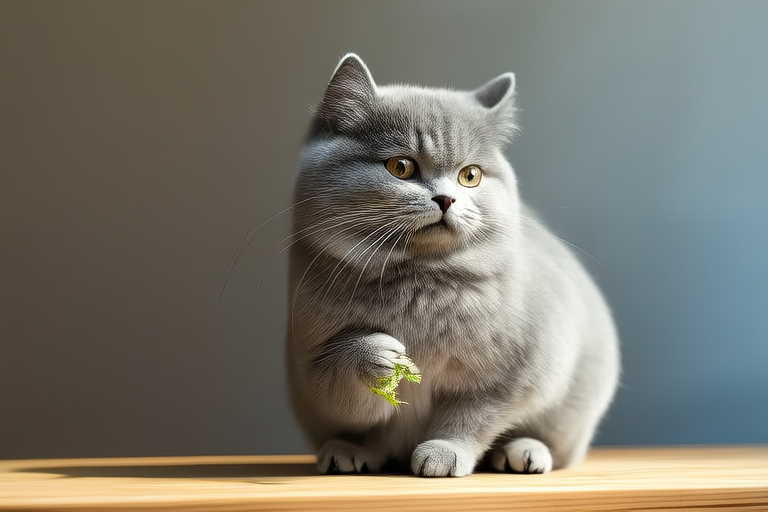
Chinchilla Care 101: A Complete Guide for First-Time Owners
Welcome to the wonderful world of chinchillas! These charming, fluffy rodents are increasingly popular as pets due to their unique appearance and gentle demeanor. Originating from the Andes Mountains in South America, chinchillas are known for their incredibly soft fur, which is among the densest of any land mammal. Their natural habitat, characterized by cold temperatures and low humidity, has shaped their physical traits and lifestyle preferences, making them delightful companions for those who understand and can meet their specific needs.
Understanding Chinchillas
Chinchillas are small, nocturnal animals that are active during the night and rest during the day. They are highly social creatures in the wild, living in colonies called ‘herds.’ As pets, they thrive on interaction but require gentle handling and a quiet, calm environment. Their intelligence and curiosity make them engaging pets, though they need time to bond with their human companions.
Proper Housing
Cage Size
The first step in providing a suitable home for your chinchilla is ensuring they have ample space. A cage should be at least 36 inches wide, 24 inches deep, and 24 inches high for one chinchilla, with additional space recommended for multiple pets. The cage must allow for vertical climbing, as chinchillas enjoy jumping and climbing.
Bedding Materials
Selecting the right bedding is crucial for your chinchilla’s comfort and health. Avoid pine or cedar shavings, as they can irritate the respiratory system. Instead, opt for paper-based bedding or fleece liners, which are safe and comfortable. Regular cleaning of the cage is necessary to prevent ammonia build-up, which can lead to respiratory issues.
Environmental Considerations
Chinchillas are sensitive to heat and humidity, so maintaining a cool, dry environment is vital. Ideal room temperatures range between 60°F and 70°F (15°C to 21°C). Humidity levels should be kept below 50%. Ensure good ventilation in the room where the cage is placed, and avoid direct sunlight to prevent overheating.
Diet
Appropriate Foods
Chinchillas are herbivores and require a diet rich in fiber. High-quality chinchilla pellets, available from pet stores, form the base of their diet. These pellets should be supplemented with timothy hay, which aids digestion and provides essential nutrients.
Treats
Treats should be given sparingly and consist of safe options like raisins, dried apples, or pellets formulated for treats. Overfeeding treats can lead to obesity and other health issues.
Water Requirements
Always provide fresh, clean water daily. A water bottle with a sipper tube is ideal, as it prevents spillage and keeps the water clean.
Grooming Tips
Dust Baths
Chinchillas need regular dust baths to maintain their coat’s condition. Special chinchilla dust, available in pet stores, should be provided once or twice a week for about 15 minutes. Remove the dust after the bath to prevent respiratory issues.
Nail Trimming
Trimming nails every few weeks is necessary to prevent overgrowth, which can cause discomfort and difficulty walking. Use a pair of small animal nail clippers and be cautious not to cut the quick, which contains blood vessels and nerves.
Dental Care
Chinchillas’ teeth grow continuously throughout their lives, requiring constant wear to prevent overgrowth. Providing chew toys and hard, untreated wood blocks helps keep their teeth in check.
Exercise Needs
Despite being housed in a cage, chinchillas need regular exercise outside of it. Supervised playtime in a chinchilla-proofed area allows them to explore and burn off energy. This also aids in mental stimulation and strengthens the bond between you and your pet.
Handling and Socialization
Chinchillas are delicate and may become stressed if handled roughly. Always approach them calmly, allowing them to get used to your presence before attempting to pick them up. Socializing your chinchilla early on can help them become more comfortable around people and reduce stress-related behaviors.
Common Health Issues
Signs of Illness
It’s important to monitor your chinchilla regularly for signs of illness. Look out for changes in appetite, unusual droppings, lethargy, or signs of distress such as excessive grooming or hiding. Any sudden behavior change could indicate a health issue.
When to Consult a Vet
If you notice any signs of illness, it’s best to consult a veterinarian experienced in exotic pets. Early intervention can often prevent more serious health problems.
Conclusion
Raising a chinchilla is a rewarding experience, filled with moments of joy and companionship. By understanding their unique needs and providing a loving, enriched environment, you can ensure your chinchilla leads a healthy, happy life. Remember, patience and consistency are key in building a strong relationship with your pet. With this guide, you’re well on your way to becoming a responsible and caring chinchilla owner.
