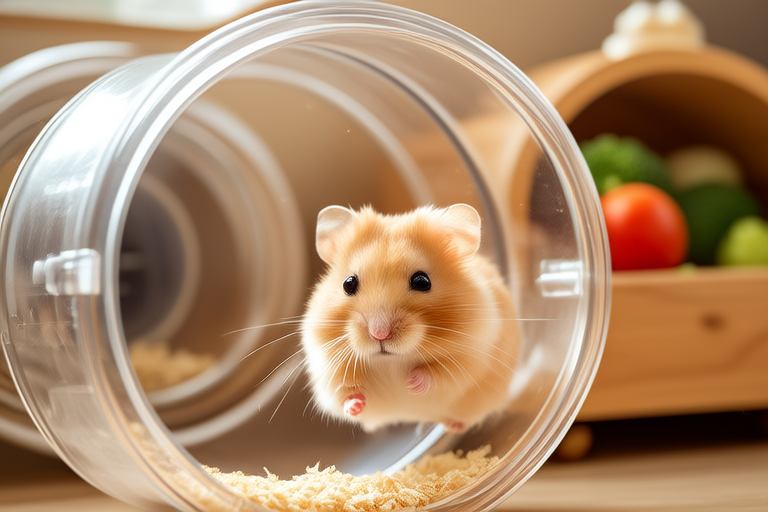
The Ultimate Guide to Keeping Your Golden Hamster Healthy and Active
Golden hamsters make delightful pets due to their small size, cute appearance, and playful nature. However, as with any pet, they require proper care to maintain their health and happiness. This guide will cover all aspects of golden hamster care, ensuring your furry friend lives a long, healthy, and active life.
Proper Diet
A balanced diet is crucial for your golden hamster’s well-being. A mix of high-quality hamster food, fresh vegetables, and occasional treats will keep them nourished. Hamster food mixes typically contain seeds, grains, and pellets that provide essential nutrients. Fresh vegetables like carrots, broccoli, and spinach should be offered in moderation. Avoid feeding them fruits and sugary treats frequently, as these can lead to obesity and dental problems.
Ensure a constant supply of clean, fresh water in a sipper bottle. Check the bottle daily to ensure it remains clean and free from contaminants. Remove uneaten fresh foods after a few hours to prevent spoilage.
Suitable Housing
Your golden hamster requires a spacious cage with adequate ventilation and a solid floor. The cage should be at least 800 square centimeters (about 12 inches by 8 inches) for one hamster, with more space if you have multiple hamsters. Wire cages are not recommended because they can harm your hamster’s feet.
Provide bedding made of soft, dust-free materials such as paper-based bedding or aspen shavings. Avoid cedar and pine shavings, as they can irritate your hamster’s respiratory system. Add nesting material like tissue paper or cotton wool for burrowing and nesting. Place the cage in a quiet area away from direct sunlight, drafts, and extreme temperatures.
Exercise Needs
Golden hamsters are highly active creatures that need regular exercise to stay healthy. Provide a running wheel with a diameter of at least 8 inches to allow for safe running. Ensure the wheel has a solid surface to prevent injuries. Rotate toys and provide tunnels, chew toys, and climbing structures to stimulate their minds and bodies.
Supplement cage activities with supervised playtime outside the cage. Use a secure playpen or exercise ball to allow your hamster to explore safely. Always supervise them during playtime to prevent accidents.
Grooming Tips
Golden hamsters are generally good groomers, but they still require some assistance from their owners. Regularly check their fur for signs of matting, parasites, or skin conditions. Brush their fur gently with a soft brush to remove loose hair and distribute natural oils.
Trim their nails if they become too long. Use nail clippers designed for small animals, and be careful not to cut the quick, which contains blood vessels. Consult a veterinarian if you’re unsure about trimming your hamster’s nails.
Common Health Issues
Understanding common health issues can help you identify problems early and seek appropriate treatment. Overgrown teeth are a frequent problem in hamsters, leading to difficulty eating and weight loss. Provide chew toys and wooden sticks to help wear down their teeth naturally.
Respiratory infections are another common issue, often caused by poor hygiene or environmental factors. Keep the cage clean and avoid exposing your hamster to cold drafts. Signs of a respiratory infection include sneezing, wheezing, and discharge from the nose or eyes.
Signs of Illness
Early detection of illness is crucial for effective treatment. Monitor your hamster’s behavior and appearance for any changes. Common signs of illness include lethargy, loss of appetite, weight loss, diarrhea, labored breathing, and changes in coat condition. If you notice any of these signs, consult a veterinarian immediately.
Advice on Social Interaction
Golden hamsters are solitary animals and prefer living alone. Introducing two hamsters can lead to fighting, especially if they are not littermates. If you wish to have multiple hamsters, provide separate cages and interact with each individually.
Handle your hamster gently and regularly to build trust. Start by allowing them to get used to your scent and gradually introduce gentle handling sessions. Offer treats during these sessions to create positive associations.
Conclusion
Maintaining your golden hamster’s health and happiness requires attention to their dietary needs, suitable housing, exercise requirements, grooming practices, and social interactions. By following this guide, you’ll be well-equipped to provide the best possible care for your pet. Remember, a happy hamster is an active and healthy hamster.
