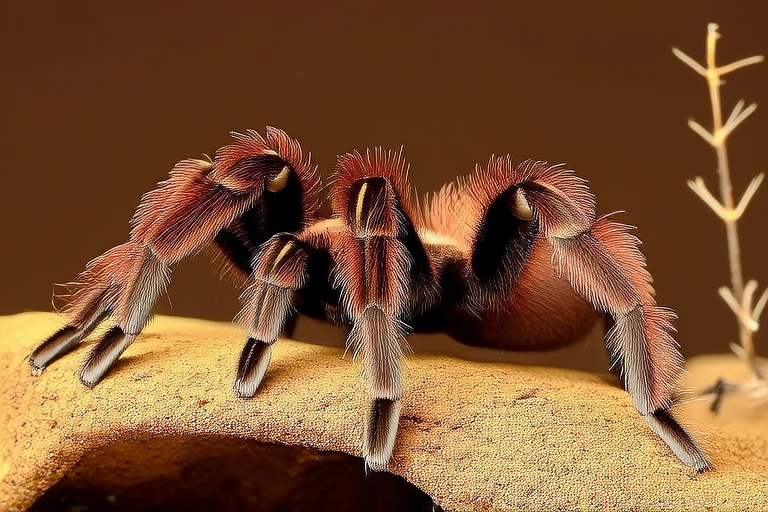
Top Secrets for Thriving: Chilean Rose Tarantula Care Guide
Welcome to your ultimate guide on thriving with Chilean rose tarantulas! These captivating arachnids are one of the most popular pet tarantulas due to their manageable size, docile nature, and striking appearance. This comprehensive guide will walk you through everything you need to know to provide the best care for your new friend.
Setting Up the Perfect Habitat
The first step to successful tarantula ownership is creating an ideal habitat. A 10-gallon tank is suitable for an adult Chilean rose tarantula, providing ample space to move around and climb. The enclosure should have a secure lid to prevent escapes, as these creatures are excellent climbers.
Substrate plays a crucial role in maintaining the right environment. Use a mix of coconut fiber and peat moss, which retains moisture well without becoming too wet. Aim for a depth of at least four inches to allow burrowing behavior. Adding a few branches or cork bark pieces can provide climbing opportunities and hiding spots.
Temperature and humidity levels are critical for your tarantula’s health. Maintain daytime temperatures between 78°F and 85°F (25°C to 29°C) and nighttime temperatures slightly cooler at 72°F to 77°F (22°C to 25°C). Humidity should be kept between 60% and 80%. Use a hygrometer to monitor humidity levels and a thermometer for temperature readings.
Feeding Habits
Chilean rose tarantulas are primarily insectivores. Feed them appropriately sized crickets, mealworms, and dubia roaches. Offer food every 7 to 10 days, depending on the tarantula’s appetite and size. It’s important to gut-load feeder insects with nutritious foods like fruits and vegetables before offering them to your tarantula.
Adequate hydration is vital. While tarantulas don’t drink water directly from bowls, they absorb it from moist substrate. Ensure the substrate remains damp but not soggy. Occasionally misting the enclosure can help maintain proper humidity levels.
Handling Tips
Chilean rose tarantulas are generally docile, but they can become stressed if handled improperly. Always wash your hands before interacting with your tarantula to remove any potential irritants or odors that might trigger defensive behaviors.
When handling, gently scoop up your tarantula using a soft brush or your hand. Avoid grabbing or pinching, as this can cause injury. Allow your tarantula to crawl onto your hand rather than forcing it. Be mindful of the tarantula’s legs and abdomen; sudden movements can startle them.
Health Issues and Prevention
Common health issues include mites, regurgitation, and molting complications. Mites can infest the enclosure and harm your tarantula. Regularly clean the habitat and inspect your tarantula for signs of mites, such as tiny red dots moving on its body.
Regurgitation occurs when the tarantula vomits up its undigested meal. This can happen if the tarantula is stressed or if the prey item is too large. To prevent regurgitation, ensure that prey items are appropriately sized and avoid disturbing your tarantula during feeding times.
Molting is a natural process where the tarantula sheds its exoskeleton. During this time, your tarantula may appear lethargic and stop eating. Provide a shallow water dish for easy access to moisture. After molting, check for any missing appendages and ensure the new exoskeleton hardens properly.
Myths About Chilean Rose Tarantulas
One common myth is that tarantulas are aggressive and dangerous. While they can bite if provoked, their venom is mild and rarely causes more than minor irritation in humans. Another misconception is that tarantulas require frequent handling. In reality, they prefer solitude and minimal interaction.
Some believe that tarantulas cannot survive outside their native habitat. With proper care, Chilean rose tarantulas can thrive in captivity. However, it’s important to replicate their natural environment as closely as possible to ensure their well-being.
Your Responsibilities as an Owner
Owning a Chilean rose tarantula comes with significant responsibilities. You must commit to providing a safe, comfortable habitat and ensuring their nutritional needs are met. Regular cleaning of the enclosure and monitoring for health issues are also essential.
Patience and respect for your tarantula’s nature are key. Avoid handling your tarantula unless necessary and always prioritize its comfort and safety. By following this guide, you’ll be well-equipped to provide a happy and healthy life for your Chilean rose tarantula.
In conclusion, caring for a Chilean rose tarantula is a rewarding experience filled with joy and responsibility. With the right knowledge and dedication, you can ensure your tarantula thrives in its new home. Happy tarantula keeping!
