Dutch Dwarf Rabbits: From Barnyard Curiosity to Family Pet
The Dutch Dwarf rabbit has a fascinating history that spans centuries, evolving from a humble barnyard curiosity to a beloved family pet. This article delves into the origins, physical characteristics, temperament, care requirements, and the reasons why these charming creatures have become so popular among rabbit enthusiasts.
Origins and Historical Context
The Dutch Dwarf rabbit traces its roots back to the Netherlands, where it was originally bred as a smaller version of the larger Dutch rabbit. The breed’s development began in the late 19th century when breeders sought to create a diminutive yet robust rabbit with the same distinctive color patterns as its larger counterpart. By selectively breeding smaller rabbits, they eventually produced a breed that retained the elegance and beauty of the Dutch but in a more manageable size. In 1964, the American Rabbit Breeders Association (ARBA) recognized the Dutch Dwarf as a distinct breed, officially ushering it into the world of competitive rabbit showing.
Physical Characteristics
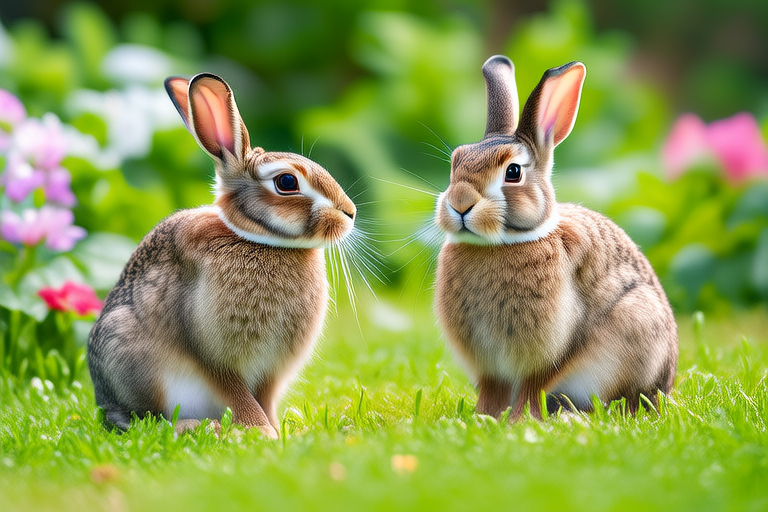
Dutch Dwarfs are one of the smallest breeds of domesticated rabbits, typically weighing between 2 and 3 pounds. Their compact bodies, short ears, and large eyes give them a teddy bear-like appearance. They come in a variety of colors, including black, blue, chocolate, and white, each with specific markings. The most recognizable feature is the “dalmatian” pattern, where the body is predominantly white with colored patches on the head, ears, and feet. These markings are crucial for adhering to breed standards set by organizations like ARBA, which ensures that only rabbits meeting strict criteria can be shown competitively.
Temperament and Socialization
One of the reasons Dutch Dwarfs have become such popular pets is their friendly and sociable nature. They are generally docile and enjoy human interaction, making them ideal companions for families or individuals looking for a low-maintenance pet. However, like all animals, they require proper socialization from an early age to ensure they remain calm and well-adjusted. Regular handling and positive reinforcement training can help build trust and prevent any potential behavioral issues. Additionally, providing ample space for exercise and playtime is essential for their mental and physical well-being.
Care Requirements
Proper care is crucial for maintaining the health and happiness of Dutch Dwarf rabbits. A spacious cage or enclosure is necessary to allow them room to move around freely while ensuring they stay safe from predators. The living environment should be clean, dry, and well-ventilated, with soft bedding material such as straw or shredded paper. Regular cleaning schedules and hygiene practices are vital to prevent illness and disease.
Diet plays a significant role in the overall health of these rabbits. A balanced diet consisting of high-quality hay, fresh vegetables, and pellets formulated specifically for dwarf breeds helps maintain optimal weight and digestive function. It is important to avoid overfeeding, as obesity can lead to serious health complications. Fresh water should always be available, and any changes in diet should be introduced gradually to avoid gastrointestinal upset.
Common Health Issues
Despite their hardy nature, Dutch Dwarfs are susceptible to certain health problems, particularly those related to their small size. Dental issues, such as malocclusion, can occur if teeth grow improperly or become misaligned. Regular check-ups with a veterinarian experienced in rabbit care can help identify and address these concerns before they escalate into more severe conditions. Other common ailments include respiratory infections, gastrointestinal stasis, and heart disease. Owners should be vigilant about monitoring their pets’ behavior and appetite and seek professional advice promptly if any signs of illness arise.
Tips for Potential Owners
For those considering adopting a Dutch Dwarf rabbit, there are several key factors to keep in mind. First and foremost, it is important to research reputable breeders who prioritize the health and welfare of their animals. Meeting the parents and observing the litter in its natural habitat can provide valuable insights into the temperament and overall quality of the offspring. Once you bring your new furry friend home, take time to establish a routine that includes daily interactions, grooming sessions, and supervised playtimes.
Creating a stimulating environment is also essential for keeping your rabbit engaged and entertained. Providing toys, tunnels, and other enrichment items encourages physical activity and mental stimulation. Training techniques such as clicker training can further enhance the bond between owner and pet while teaching desirable behaviors. Finally, remember that rabbits thrive on consistency, so maintaining regular feeding schedules and predictable routines will contribute to their long-term happiness and well-being.
Conclusion
The journey of the Dutch Dwarf rabbit from barnyard curiosity to cherished family member reflects the enduring appeal of this delightful breed. With their unique physical traits, gentle disposition, and relatively low maintenance requirements, these little bundles of joy offer countless hours of companionship and entertainment. As with any pet, responsible ownership involves commitment to providing proper care, attention, and affection. By doing so, you can ensure that your Dutch Dwarf rabbit enjoys a healthy, happy life filled with love and companionship.
