Parrot Fish in Your Aquarium: Everything You Need to Know Before You Start
Welcome to the fascinating world of parrot fish! These vibrant and strikingly colored creatures have become increasingly popular among aquarium enthusiasts due to their eye-catching appearance and engaging behavior. Parrot fish are known for their bright hues and robust nature, making them a favorite addition to many home aquariums. However, before you bring one into your tank, it’s essential to understand their specific needs and care requirements. This comprehensive guide will walk you through everything you need to know about keeping parrot fish in your aquarium.
The Popularity of Parrot Fish
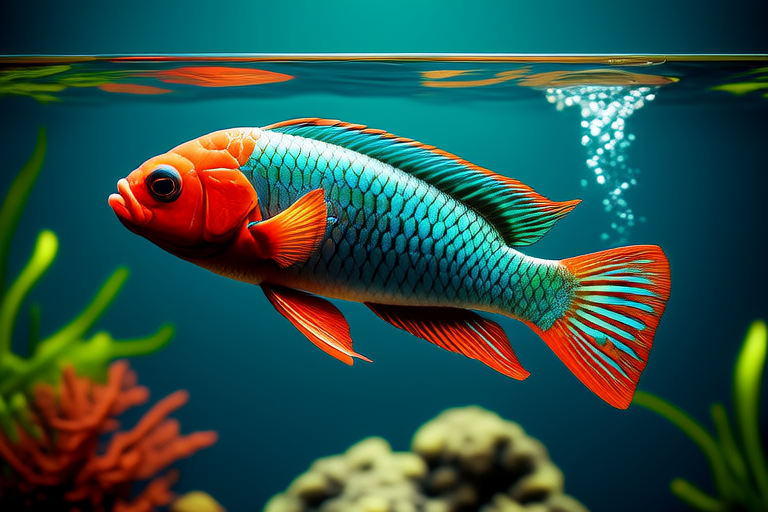
Parrot fish are named for their beak-like mouths, which they use to crush and eat rocks and coral. Their popularity has grown over the years as more aquarists discover their stunning coloration and lively personalities. The variety of colors available makes them a standout feature in any aquarium, from deep reds and oranges to electric blues and greens. These fish are not only beautiful but also hardy, making them ideal for both novice and experienced aquarists. Despite their appeal, owning a parrot fish comes with its own set of challenges, which we will explore throughout this guide.
Vibrant Colors and Unique Care Requirements
One of the most attractive features of parrot fish is their vivid and diverse color palette. Their striking appearance can make them the centerpiece of your aquarium. However, their bright colors come with certain care requirements that must be met to keep them healthy and happy. Parrot fish require specific water conditions, a balanced diet, and careful attention to avoid common health issues. Understanding these aspects is crucial for providing the best possible environment for your parrot fish.
Suitable Tank Size
When considering adding a parrot fish to your aquarium, one of the first things to think about is the appropriate tank size. Parrot fish can grow quite large, reaching lengths of up to 12 inches or more. They need ample space to swim and explore comfortably. A minimum tank size of 55 gallons is recommended for a single parrot fish. Larger tanks, preferably 75 gallons or more, are even better as they provide more room for swimming and reduce stress on the fish. It’s important to remember that parrot fish are territorial and may become aggressive towards smaller or slower-moving fish if the tank is too crowded.
Water Parameters
Maintaining optimal water conditions is crucial for the health and well-being of your parrot fish. They thrive in freshwater environments with the following parameters:
- Temperature: Keep the water temperature between 75°F and 82°F (24°C and 28°C).
- pH Levels: Maintain a pH level between 6.5 and 7.5. Parrot fish prefer slightly acidic to neutral water.
- Hardness: Aim for water hardness within the range of 5 to 15 dGH.
- Ammonia and Nitrite: Ensure these levels remain at zero. Regular water changes and proper filtration are key to achieving this.
- Nitrate: Keep nitrate levels below 20 ppm.
Regular testing of these parameters is essential to ensure your parrot fish remains healthy. Investing in a reliable water testing kit and maintaining a consistent monitoring schedule will help you catch any potential issues early.
Diet
Feeding your parrot fish a balanced diet is vital for their growth and overall health. In the wild, parrot fish primarily feed on algae, small invertebrates, and plant matter. In captivity, they can be fed a variety of foods, including:
- High-quality flake food: Look for brands specifically formulated for omnivorous fish.
- Frozen or freeze-dried foods: Brine shrimp, bloodworms, and krill are excellent choices.
- Vegetables: Parrot fish enjoy blanched spinach, peas, and zucchini. These can be offered as occasional treats.
- Rock and coral: Providing crushed coral or lava rock in the tank allows them to graze and maintain their beak-like mouth structure.
It’s important to note that overfeeding can lead to poor water quality and obesity. Feed your parrot fish small portions twice daily, ensuring all food is consumed within a few minutes.
Compatibility with Other Fish Species
Choosing compatible tank mates for your parrot fish is crucial to maintaining harmony in your aquarium. Parrot fish are generally peaceful but can become territorial as they mature. They should be housed with similarly-sized, non-aggressive fish that can defend themselves. Suitable tank mates include:
- Bala sharks
- Corydoras catfish
- Tinfoil barbs
- Other large, peaceful community fish
Avoid housing parrot fish with small or slow-moving fish, as they may be seen as prey. Additionally, some aggressive species like oscars or large cichlids might bully parrot fish. Always research the temperament and size of potential tank mates to ensure compatibility.
Maintaining Water Quality
Water quality plays a significant role in the health of your parrot fish. Regular maintenance is necessary to prevent disease and promote longevity. Here are some tips for maintaining optimal water quality:
- Weekly water changes: Replace 20% of the tank water weekly to remove waste and toxins.
- Proper filtration: Use a high-quality filter that suits your tank size and provides adequate biological, mechanical, and chemical filtration.
- Regular cleaning: Clean the substrate and decorations to prevent the buildup of debris and harmful bacteria.
- Aeration: Ensure good oxygenation by using air stones or a powerhead.
By following these practices, you can create a stable and healthy environment for your parrot fish.
Common Health Issues
Despite their hardiness, parrot fish can still face various health issues. Being aware of these problems and knowing how to address them can help you provide the best care for your fish. Some common health issues include:
- Fin rot: Caused by poor water quality or bacterial infections. Symptoms include frayed or discolored fins. Treatment involves improving water quality and using antibacterial medications.
- Ich: A parasitic infection that causes white spots on the fish. Quarantine the affected fish and treat with appropriate medications.
- Constipation: Can occur due to overfeeding or an imbalanced diet. Offer fiber-rich vegetables and fasting periods to aid digestion.
Early detection and prompt treatment are key to preventing these issues from worsening. Regular observation of your fish’s behavior and appearance can help you catch potential problems early.
Enriching the Tank Environment
To ensure your parrot fish thrives, creating an enriching and stimulating tank environment is essential. Here are some tips to enhance their living space:
- Hiding spots: Provide caves, tunnels, or plants to give your parrot fish places to hide and feel secure.
- Plants: Incorporate live or artificial plants to mimic their natural habitat and provide cover.
- Decorations: Add rocks, driftwood, and other ornaments to create an aesthetically pleasing and functional environment.
- Swimming space: Ensure there is enough open water for your parrot fish to swim freely and exercise.
By enriching the tank environment, you can provide your parrot fish with a stimulating and comfortable home, promoting their overall well-being.
Conclusion
Adding a parrot fish to your aquarium can be a rewarding experience, but it requires careful planning and attention to detail. From choosing the right tank size and water parameters to selecting suitable tank mates and maintaining water quality, each aspect plays a crucial role in ensuring the health and happiness of your parrot fish. By following the guidelines outlined in this article, you can create a thriving and vibrant aquatic environment for your colorful companions. Happy fishkeeping!
