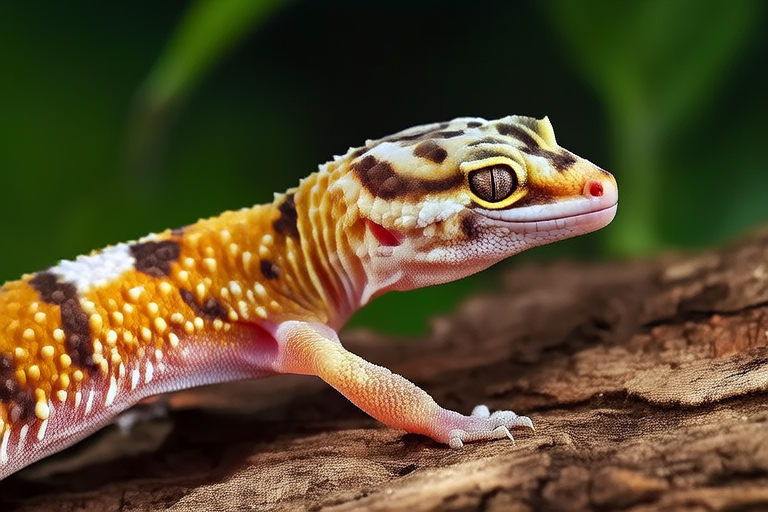
The Intricate World of Chameleons: Masters of Color
Chameleons have long captured the imagination of people worldwide with their remarkable ability to change colors. This skill is not just a spectacle but a crucial adaptation that plays a significant role in their survival. From the vibrant greens of the common chameleon to the striking reds and blues of the panther chameleon, each species showcases its unique color-changing abilities. Understanding the biological mechanisms behind this phenomenon offers valuable insights into the natural world.
The Biological Mechanism Behind Color Change
At the heart of a chameleon’s color-changing ability lies a complex network of specialized cells known as chromatophores and iridophores. Chromatophores are pigment-containing cells located beneath the skin. These cells come in three types: xanthophores (yellow), erythrophores (red), and melanophores (black or brown). When stimulated by nerve impulses, these cells expand or contract, altering the amount of pigment visible on the surface of the skin. The precise combination of these pigments creates a wide spectrum of colors.
Iridophores, on the other hand, are cells that contain microscopic structures called guanine crystals. These crystals reflect light, producing iridescent colors like blue and green. By adjusting the spacing between these crystals, chameleons can create a dazzling array of hues. This process is particularly effective in reflecting sunlight, which helps regulate body temperature. The interplay between chromatophores and iridophores allows chameleons to produce an impressive range of colors, from subtle gradients to bold, eye-catching displays.
Functions of Color Changes
Color changes in chameleons serve multiple purposes, each essential to their survival. One of the primary functions is communication. Males often display vibrant colors during mating rituals, signaling their fitness and readiness to compete for a mate. For instance, the panther chameleon exhibits a spectacular blend of red, orange, and blue when courting females. Females, in turn, may respond with subdued or aggressive colorations, depending on their receptiveness.
Another critical function of color changes is temperature regulation. Chameleons are ectothermic animals, meaning they rely on external sources of heat to regulate their body temperature. By changing their color, they can either absorb more sunlight to warm up or reflect it to cool down. For example, a chameleon may adopt darker hues to absorb more heat on a cool morning or lighter shades to avoid overheating under intense sunlight. This adaptability ensures that chameleons maintain optimal body temperatures for digestion, movement, and reproduction.
Camouflage is perhaps the most well-known function of color changes in chameleons. By blending seamlessly into their environment, these reptiles can evade predators and ambush prey. Their ability to match the colors of leaves, branches, and even shadows makes them nearly invisible to both potential threats and unsuspecting insects. The veiled chameleon, native to Yemen and Saudi Arabia, is particularly adept at this form of concealment. Its green, brown, and yellow patterns enable it to disappear into the foliage of its arid habitat.
Species-Specific Color-Changing Behaviors
Different chameleon species exhibit unique color-changing behaviors tailored to their environments and social structures. The Jackson’s chameleon, found in Kenya and Tanzania, uses its bright green and blue hues to signal dominance within its territory. Males engage in elaborate displays, extending their casques (bony protrusions on their heads) and puffing out their throats to intimidate rivals. In contrast, the Indian chameleon relies on its mottled brown and gray appearance to remain inconspicuous among the dry scrublands of India and Sri Lanka.
The veiled chameleon, known for its ability to change from green to brown and back again, demonstrates another fascinating adaptation. This species inhabits the arid regions of Yemen and Saudi Arabia, where water is scarce. By adjusting its color, it can regulate its hydration levels, absorbing moisture from the air through its skin. This behavior underscores the versatility of chameleons in adapting to diverse environmental challenges.
Recent Scientific Discoveries and Ongoing Research
Advancements in technology have allowed scientists to delve deeper into the mysteries of chameleon coloration. High-resolution imaging techniques, such as scanning electron microscopy, have revealed the intricate structure of guanine crystals within iridophores. Researchers have also used spectroscopy to analyze the wavelengths of light reflected by these crystals, providing a better understanding of how chameleons produce such vivid colors.
Genetic studies have shed light on the evolutionary origins of color-changing abilities in chameleons. Comparative genomics has identified specific genes responsible for the development and regulation of chromatophores and iridophores. These findings suggest that color-changing capabilities evolved independently in several lineages of lizards, indicating the adaptive significance of this trait.
Ongoing research focuses on the neural mechanisms underlying color changes. Scientists are exploring how chameleons’ brains process visual information and translate it into physiological responses. This work could lead to breakthroughs in understanding the relationship between perception and action in animals. Additionally, researchers are investigating the potential applications of chameleon-inspired materials in fields such as optics, camouflage technology, and even medicine.
The Importance of Understanding Chameleons for Biodiversity Conservation
Understanding the biology and behavior of chameleons is crucial for their conservation. Many chameleon species face threats from habitat loss, deforestation, and climate change. As humans continue to encroach upon their habitats, these reptiles are forced to adapt or perish. By studying their color-changing abilities, we can gain insights into how chameleons cope with environmental stressors and develop strategies to protect them.
Conservation efforts often involve creating protected areas and implementing sustainable land-use practices. Knowledge of chameleon coloration can inform these initiatives by identifying key habitats and promoting the preservation of diverse ecosystems. Furthermore, understanding the social dynamics of chameleons can help design breeding programs aimed at increasing population sizes and genetic diversity.
In conclusion, the world of chameleons is a testament to nature’s ingenuity and adaptability. Their ability to change colors serves multiple purposes, from communication and temperature regulation to camouflage and survival. Recent scientific discoveries and ongoing research continue to unravel the complexities of this phenomenon, offering new perspectives on animal behavior and evolution. By appreciating and protecting these fascinating creatures, we contribute to the preservation of global biodiversity and the delicate balance of ecosystems.
