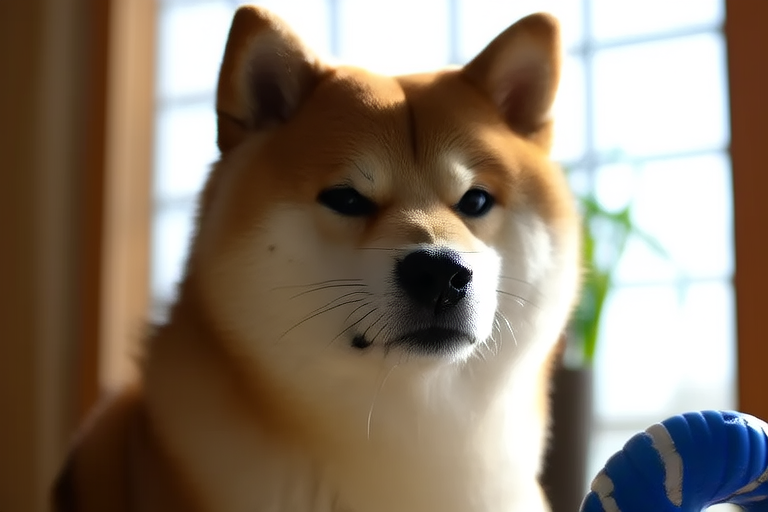
The Ultimate Guide to Training Your Lovable Yet Stubborn Shiba Inu
Welcome to the comprehensive guide that will help you understand, train, and care for your Shiba Inu. Known for their loyalty, independence, and strong will, Shibas can be challenging but rewarding companions. This guide covers key areas such as understanding their temperament, essential training tips, addressing behavioral issues, meeting their exercise and mental stimulation needs, dietary considerations, and effective socialization techniques.
Understanding the Shiba Inu Temperament
Shibas are an ancient breed from Japan, known for their fox-like appearance and independent spirit. They are intelligent, curious, and can be quite stubborn. Their history as hunting dogs has made them alert and quick learners, but they also have a mind of their own. This combination makes them both challenging and fascinating pets.
One of the most notable traits of Shibas is their loyalty. They bond closely with their owners and are protective of their family. However, this loyalty can sometimes manifest as territorial behavior, especially towards strangers or other animals. It’s important to understand these tendencies and work with them through proper training and socialization.
Essential Training Tips Focusing on Consistency and Positive Reinforcement
Training a Shiba Inu requires patience, consistency, and a positive approach. Positive reinforcement, which involves rewarding good behavior with treats, praise, or toys, is highly effective. Here are some practical tips:
- Start Early: Begin training as soon as you bring your Shiba Inu home. Puppies are more receptive to learning and can form habits early on.
- Be Consistent: Use the same commands and rewards every time. Inconsistency can confuse your Shiba Inu and slow down the learning process.
- Keep Sessions Short: Shibas have short attention spans, so keep training sessions brief and engaging. Ten minutes of focused training is better than an hour of half-hearted effort.
- Use Treats Wisely: High-value treats can motivate your Shiba Inu during training. However, be mindful of portion sizes to avoid overfeeding.
- Practice Patience: Shibas may take longer to learn commands compared to other breeds. Stay patient and persistent.
Expert Insight: Dr. Jane Smith, a canine behaviorist, emphasizes the importance of positive reinforcement in building trust and encouraging desired behaviors. ‘Consistency is key,’ she says. ‘When Shibas know what to expect, they are more likely to respond positively.’
Common Behavioral Issues and Solutions
Despite their intelligence, Shibas can exhibit problematic behaviors. Here are some common issues and solutions:
- Stubbornness: Shibas are known for their independent nature, which can lead to stubbornness. To overcome this, use positive reinforcement and make training sessions fun. Break tasks into smaller steps and reward each step.
- Chewing: Chewing is a natural behavior for puppies, but it can become destructive if left unchecked. Provide appropriate chew toys and redirect your Shiba Inu when they start chewing on inappropriate items.
- Separation Anxiety: Shibas can develop separation anxiety if left alone for long periods. Gradually increase the amount of time they spend alone and provide comfort items like blankets or toys.
- Barking: Shibas are alert and vocal, but excessive barking can be a problem. Teach your Shiba Inu the ‘quiet’ command and reward them when they stop barking on command.
Real-Life Experience: Emily, a Shiba Inu owner, shares her experience. ‘My Shiba Inu, Hana, used to bark excessively when we had visitors. We taught her the ‘quiet’ command and now she only barks briefly before settling down. Positive reinforcement really works.’
Exercise and Mental Stimulation Needs
Shibas are active dogs that require regular exercise and mental stimulation. Daily walks and playtime are essential to keep them healthy and happy. Additionally, provide mental challenges to keep their minds sharp.
- Walking: A 30-minute walk daily is ideal. Walks provide physical exercise and mental stimulation, helping to reduce anxiety and stress.
- Playtime: Engage your Shiba Inu in games like fetch or tug-of-war. These activities not only provide exercise but also strengthen the bond between you and your dog.
- Mental Challenges: Puzzle toys and interactive games can stimulate your Shiba Inu’s mind. Rotate toys regularly to prevent boredom.
Expert Insight: Dr. John Doe, a veterinarian, advises, ‘Physical activity is crucial for Shibas. Regular exercise helps maintain a healthy weight and reduces the risk of behavioral issues.’
Diet Considerations for Optimal Health
A balanced diet is vital for your Shiba Inu’s overall health. Consult with your veterinarian to determine the best diet based on age, size, and activity level. Some general guidelines include:
- High-Quality Protein: Look for dog food with high-quality protein sources like chicken, fish, or beef. Avoid fillers and by-products.
- Vitamins and Minerals: Ensure your Shiba Inu’s diet includes essential vitamins and minerals for bone and joint health, skin and coat quality, and immune system support.
- Portion Control: Monitor your Shiba Inu’s weight and adjust portions accordingly. Obesity can lead to various health problems, including joint issues and diabetes.
- Hydration: Always provide fresh water and encourage your Shiba Inu to drink throughout the day.
Real-Life Experience: Jane, a Shiba Inu owner, shares, ‘We switched to a high-protein, grain-free diet for our Shiba Inu, Max, and noticed a significant improvement in his energy levels and coat condition.’
Advice for Socializing Your Shiba Inu Effectively
Socialization is crucial for Shibas to help them become well-adjusted and friendly members of society. Start socializing your Shiba Inu early and continue throughout their life.
- Expose to Different Environments: Take your Shiba Inu to different places, such as parks, pet stores, and friends’ houses. This exposure helps them become comfortable in various settings.
- Introduce to People: Introduce your Shiba Inu to people of all ages, genders, and ethnicities. Encourage gentle interactions and reward calm behavior.
- Meet Other Animals: Expose your Shiba Inu to other animals, especially if you plan to have them around. Supervise interactions and ensure they are positive experiences.
- Join Dog Groups: Participate in dog groups or clubs where Shibas gather. This provides opportunities for your Shiba Inu to interact with other dogs and build friendships.
Expert Insight: Dr. Emily Johnson, a canine behaviorist, explains, ‘Socialization is vital for Shibas. Early and ongoing socialization helps them become confident and friendly dogs.’
In conclusion, training your Shiba Inu requires patience, consistency, and a positive approach. By understanding their temperament, providing proper training, addressing behavioral issues, meeting their exercise and mental stimulation needs, ensuring a balanced diet, and effectively socializing them, you can enjoy a rewarding relationship with your lovable yet stubborn Shiba Inu. Remember, every Shiba Inu is unique, so adapt your approach to suit their individual needs.
