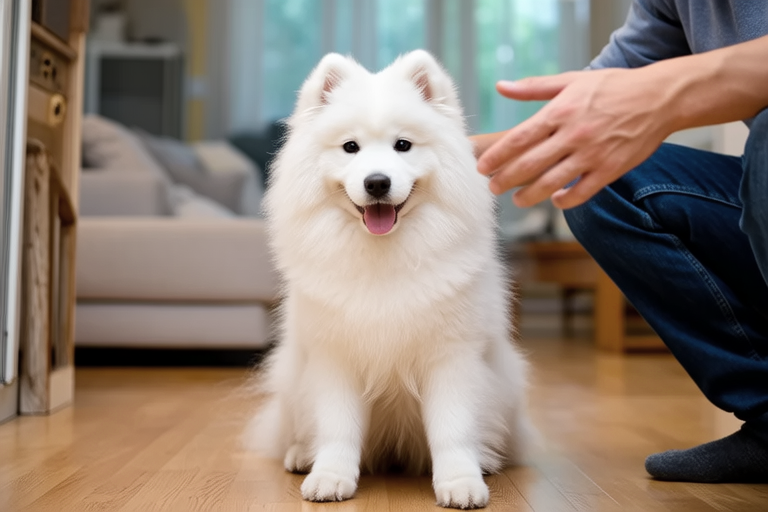
Training Tips for Owners of Samoyeds: Taming That Wild Spirit
Samoyeds, with their striking white coats and enchanting smiles, are more than just beautiful dogs; they are a breed rich in history and spirit. Originally bred by the Samoyede people of Siberia to herd reindeer and pull sleds, these dogs have an inherent work ethic and a zest for life. Their loyalty, intelligence, and playfulness make them beloved companions. However, their wild spirit requires careful nurturing and training to channel it into positive behaviors. This article will guide you through the essential training methods for Samoyed owners, focusing on their unique traits, energy levels, and independence.
Understanding Your Samoyed
Samoyeds are known for their high energy and independent nature. They are intelligent, which means they can learn quickly but also tend to get bored easily if not challenged mentally. Their friendly demeanor makes them great with children and other pets, but their strong-willed personalities require firm yet gentle handling. Understanding these traits is crucial for effective training.
Essential Training Methods
Basic Obedience Training
Teaching your Samoyed basic commands such as ‘sit,’ ‘stay,’ ‘come,’ and ‘leave it’ is fundamental. Start training in a quiet environment with minimal distractions. Use positive reinforcement, rewarding your dog with treats and praise when they follow commands correctly. Consistency is key; always use the same command word for each action and reward immediately after compliance.
For example, when teaching ‘sit,’ hold a treat above your dog’s head and say “Sit.” As your Samoyed looks up, their bottom should naturally lower to the ground. Once they sit, give them the treat and praise them. Repeat this process several times a day, gradually phasing out the treat as your dog becomes more reliable.
Socialization Techniques
Socializing your Samoyed from a young age helps them become well-adjusted adults. Expose them to various environments, people, and animals. Positive experiences during puppyhood reduce the likelihood of fear-based aggression later in life. Encourage interaction with other dogs and people in controlled settings. Always supervise interactions to ensure safety and positive outcomes.
Consider enrolling your Samoyed in puppy classes. These classes provide structured learning environments and opportunities to meet other dogs and handlers. They also teach valuable skills like bite inhibition and proper play behavior.
Managing Exercise Needs
Samoyeds are energetic and need ample exercise to stay healthy and happy. Regular walks and play sessions are essential. Aim for at least one hour of physical activity daily, combining leash walks with off-leash runs in secure areas. Engage your Samoyed in activities that stimulate both body and mind, such as fetch, agility courses, or interactive toys.
Ensure your Samoyed has access to mental stimulation as well. Puzzle toys and training sessions keep their minds engaged. A tired Samoyed is generally a well-behaved Samoyed, so providing adequate exercise is vital for their overall well-being.
Addressing Common Behavioral Issues
Excessive Barking
Samoyeds can be vocal, especially when excited or bored. To address excessive barking, first identify the trigger. If your Samoyed barks due to boredom, increase their exercise and mental stimulation. For barking caused by anxiety or excitement, train them to associate the sound with a reward. When they stop barking, offer a treat and praise. Gradually extend the time between rewards to encourage longer periods of silence.
Digging
Digging is another common issue among Samoyeds. It often stems from boredom or a desire to escape. Provide appropriate outlets for digging, such as a designated sandbox. Redirect your dog’s attention to the sandbox whenever they start digging elsewhere. Praise and reward them for digging in the right spot. Additionally, ensure they have sufficient exercise and mental stimulation to reduce their urge to dig.
The Importance of Patience and Consistency
Training a Samoyed requires patience and consistency. These dogs respond best to calm, assertive leadership. Be patient with your dog as they learn new commands and adjust to routines. Consistency in your approach ensures they understand what is expected of them.
The journey of training your Samoyed is as rewarding as the bond you build. With dedication and love, you’ll create a harmonious relationship based on mutual respect and understanding. Remember, every dog is unique, and what works for one may not work for another. Stay flexible and open to adjusting your training methods as needed.
Conclusion
Taming the wild spirit of a Samoyed is a fulfilling endeavor that strengthens the bond between you and your furry companion. By understanding their unique traits and implementing effective training methods, you can help your Samoyed become a well-behaved and happy member of your family. Embrace the challenges and celebrate the successes along the way. With patience, consistency, and love, you’ll form a rewarding partnership that enriches both your lives.
