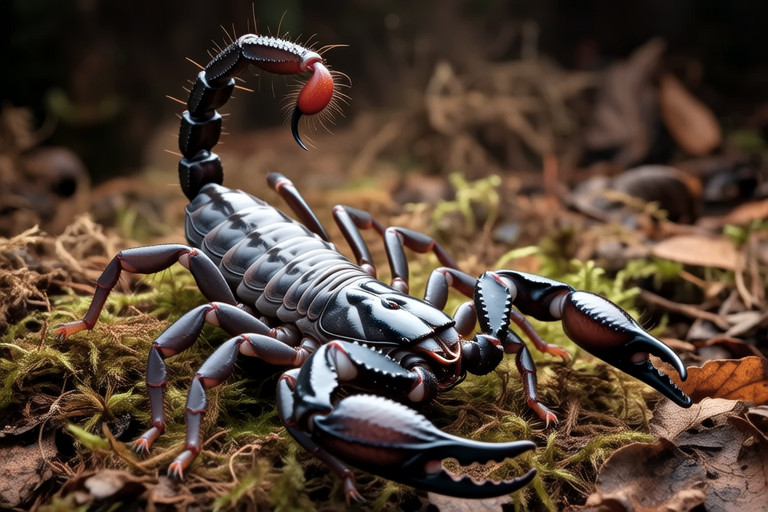
How to Safely Encounter the Hairy-Legged Beauty, Heterometrus Spinifer
The world of arachnids is filled with fascinating creatures, each with its own unique characteristics and behaviors. Among these, the Hairy-Legged Beauty, scientifically known as Heterometrus spinifer, stands out due to its distinctive appearance and intriguing habits. This article aims to guide you through the process of safely encountering and observing this species, whether in its natural habitat or in captivity. We will also discuss the importance of respecting these creatures’ space and offer tips for those interested in photography.
An Introduction to Heterometrus Spinifer
Heterometrus spinifer, commonly known as the hairy-legged forest scorpion, is a medium-sized scorpion that belongs to the family Scorpionidae. It is native to Southeast Asia, particularly Thailand, Malaysia, and Indonesia. The name ‘Hairy-Legged Beauty’ aptly describes this species, which has long, slender legs covered in fine hairs. These hairs are not just for aesthetic purposes; they play a crucial role in sensory perception, helping the scorpion detect vibrations and changes in air currents.
This species thrives in tropical forests, where it can be found under rocks, logs, and leaf litter. Its natural habitat is characterized by high humidity and temperatures, making it an ideal environment for nocturnal creatures like the Heterometrus spinifer. During the day, these scorpions hide in dark, cool places to avoid the heat and predators. They emerge at night to hunt small insects, spiders, and other invertebrates, which form their primary diet.
Behavior and Diet
The behavior of Heterometrus spinifer is largely influenced by its need to survive in its challenging environment. As nocturnal hunters, these scorpions rely on their keen senses to locate prey. Their pincers, or pedipalps, are used to grasp and crush their victims, while their venomous sting is reserved for defense against larger predators.
The diet of the Heterometrus spinifer consists mainly of insects, such as crickets, cockroaches, and grasshoppers. They are opportunistic feeders, meaning they will eat whatever is available in their environment. This adaptability has contributed to their survival in diverse habitats across Southeast Asia.
Step-by-Step Guide to Safe Observation
Observing Heterometrus spinifer in its natural habitat or captivity requires careful planning and respect for the creature’s space. Follow these steps to ensure a safe and enjoyable experience:
Preparation
Before embarking on your journey to observe Heterometrus spinifer, gather all necessary equipment. This includes sturdy footwear, gloves, and a flashlight. If you’re venturing into the wild, make sure to wear long-sleeved clothing and pants to protect yourself from scratches and bites. Additionally, bring a camera or smartphone to document your encounter, but remember to prioritize safety over getting the perfect shot.
Approach
When approaching Heterometrus spinifer, move slowly and quietly. Sudden movements or loud noises may startle the scorpion, causing it to retreat or become defensive. Maintain a safe distance, at least one meter away, to give the scorpion ample space to react. Use a flashlight to illuminate the area gently, avoiding direct shining on the scorpion’s eyes.
Interaction
If the scorpion does not retreat, you can attempt to interact with it by extending your hand, palm facing down, to show that you mean no harm. However, do not touch the scorpion unless you are experienced and have the proper equipment, such as thick gloves. Even then, handle with care, as any mishandling could result in injury.
Respecting the Space of Heterometrus Spinifer
It is essential to respect the space of Heterometrus spinifer and maintain a safe distance during observation. Remember that these creatures are part of a delicate ecosystem, and any disturbance can disrupt their natural behavior. Avoid chasing or cornering the scorpion, as this can cause unnecessary stress and potentially lead to aggressive behavior.
Photographers and enthusiasts must also be mindful of their actions. When capturing images, use a telephoto lens to avoid getting too close. Flash photography can startle the scorpion and should be avoided, especially when taking close-up shots. Instead, use natural light or a low-intensity light source to illuminate the subject.
Conservation Efforts
The conservation of Heterometrus spinifer and its habitat is crucial for maintaining biodiversity in Southeast Asia. Human activities, such as deforestation and urbanization, have led to the destruction of many natural habitats, threatening the survival of these creatures. Supporting conservation efforts, such as reforestation projects and protected areas, can help preserve the environment for future generations.
You can contribute to these efforts by participating in local conservation initiatives or donating to organizations dedicated to wildlife protection. Educating others about the importance of preserving natural habitats is another effective way to promote conservation.
Resources for Further Learning
To deepen your understanding of Heterometrus spinifer and other scorpions, consider reading books and articles written by experts in the field. Online resources, such as scientific journals and wildlife blogs, can also provide valuable information. Joining a local nature club or attending workshops and seminars can offer hands-on learning experiences and connect you with fellow enthusiasts.
In conclusion, encountering Heterometrus spinifer can be a rewarding experience for both beginners and seasoned nature lovers. By following the guidelines outlined in this article, you can safely observe and appreciate the beauty and complexity of these fascinating creatures. Remember to respect their space and contribute to their conservation to ensure their continued existence in the wild.
