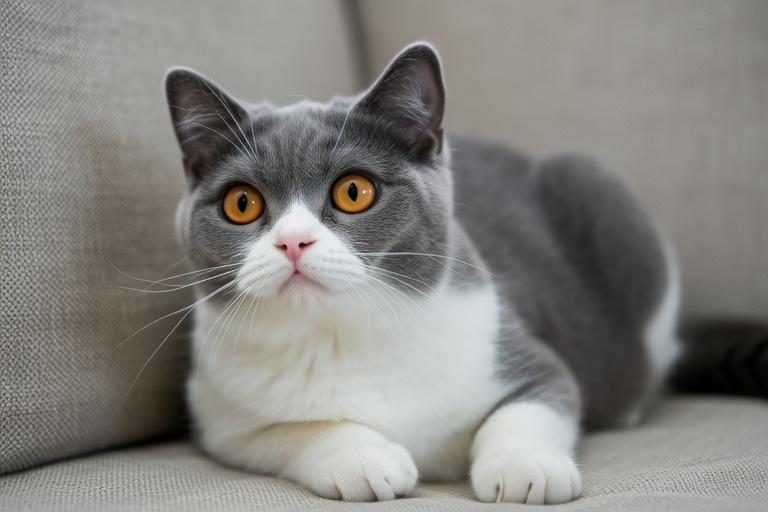
Meet the Munchkin: The Cat With Tiny Legs!
Welcome to the world of the Munchkin cat, a breed known for its uniquely short legs. This article delves into the fascinating aspects of this breed, from their physical traits to their temperament and health concerns. We’ll also explore the rich history behind these charming creatures and share some real-life anecdotes from owners who have embraced the Munchkin lifestyle. By the end of this piece, you’ll be well-informed and perhaps even inspired to consider adopting one of these delightful felines.
The Unique Characteristics of Munchkin Cats
Munchkin cats are most famously recognized by their disproportionately short legs, which give them a distinctively crouched appearance. Despite their diminutive limbs, these cats are surprisingly agile and quick. Their bodies are generally slender, complementing their shorter legs, and they come in a wide variety of coat types and colors, making each Munchkin unique.
One of the standout features of Munchkins is their remarkable adaptability. While their short legs might seem like a hindrance, they actually allow these cats to navigate through tight spaces with ease. They can leap onto high surfaces just as easily as any other cat, thanks to their powerful back legs. This ability to maneuver effectively despite their physical limitations is truly impressive.
The Temperament of Munchkin Cats
Munchkin cats are renowned for their friendly and outgoing personalities. They are often described as being more dog-like than typical cats, displaying a strong desire for companionship and affection. These social felines enjoy interacting with their human families and other pets, making them excellent additions to households where there’s plenty of love to go around.
Many owners report that Munchkins are playful and curious, always ready to explore new environments or engage in games. Their intelligence and curiosity make them great problem solvers, often finding creative ways to entertain themselves or get what they want. However, it’s important to note that while Munchkins are sociable, they still require personal space and quiet time. Providing a stimulating environment with toys and scratching posts can help keep them happy and engaged.
Health Considerations for Munchkin Cats
Despite their charm, Munchkin cats do face certain health challenges due to their genetic mutation. One of the most significant concerns is lordosis, a condition characterized by an excessive inward curve of the spine. This can sometimes lead to difficulties in breathing or digestion. Another potential issue is pectus excavatum, where the sternum develops abnormally, affecting the chest cavity. Regular veterinary check-ups are essential to monitor these conditions and ensure early intervention if necessary.
Owners of Munchkin cats should also be mindful of their weight management. Given their small stature, maintaining a healthy weight is crucial to prevent additional strain on their joints and overall mobility. A balanced diet and regular exercise can go a long way in promoting longevity and well-being for these beloved pets.
The History Behind Munchkin Cats
The origins of the Munchkin cat trace back to Louisiana, USA, where a domestic shorthair gave birth to a litter of kittens with unusually short legs in 1983. One of these kittens was named Blackberry, and she went on to become the foundation of the Munchkin breed. The gene responsible for their short legs is dominant, meaning that at least one parent must carry the trait for it to manifest in offspring.
Initially, the breed faced skepticism from some within the cat fancy community, who raised concerns about the ethical implications of breeding for such a pronounced physical characteristic. However, over time, the Munchkin has gained acceptance and recognition from several major registries, including The International Cat Association (TICA) and the American Cat Fanciers Association (ACFA). Today, Munchkins are celebrated for their uniqueness and are cherished by many as beloved family members.
Real-Life Anecdotes from Munchkin Owners
To truly understand what it’s like to live with a Munchkin cat, we spoke with several owners who shared their experiences. Sarah, a lifelong cat lover, adopted her first Munchkin, Whiskers, three years ago. She describes him as a constant source of joy and entertainment. “Whiskers is incredibly affectionate and loves nothing more than curling up on my lap,” she says. “He’s also very clever and enjoys playing fetch with small toys.”
Another owner, Mike, found his Munchkin, Luna, through a local rescue organization. “Luna has brought so much warmth and laughter into our home,” he shares. “She’s incredibly adaptable and has quickly made herself part of our family.” Both Sarah and Mike emphasize the importance of providing a safe and enriching environment for their Munchkins, ensuring they stay healthy and happy.
Comparing Munchkin Cats with Other Breeds
While Munchkin cats certainly stand out for their distinctive appearance, they share similarities with other breeds in terms of temperament and care requirements. For instance, the Sphynx cat, known for its lack of fur, also requires extra attention to maintain skin health. Similarly, the Maine Coon, famous for its large size and gentle nature, demands ample space and mental stimulation.
What sets Munchkins apart is their unique blend of agility and friendliness. Unlike some breeds that may be more independent or aloof, Munchkins thrive on interaction and engagement. Their playful demeanor and adaptability make them ideal companions for those looking for a cat that will actively participate in household activities.
Encouraging Adoption and Living with Munchkin Cats
If you’re considering adopting a Munchkin cat, there are several factors to keep in mind. First and foremost, ensure that you’re prepared for the responsibility of caring for a pet with specific needs. Research reputable breeders or shelters that prioritize the health and welfare of their animals. Once you’ve welcomed your Munchkin into your home, focus on creating a nurturing environment filled with love and playfulness.
For those already living with Munchkins, remember that every day brings new opportunities to bond and grow together. Whether it’s sharing a quiet moment or engaging in lively play sessions, your Munchkin will reward you with endless affection and companionship. Embrace the journey of discovery and celebration that comes with owning one of these extraordinary felines.
In conclusion, the Munchkin cat is a captivating breed that combines striking physical features with a loving and engaging personality. By understanding their unique characteristics, health considerations, and historical background, you can better appreciate why these cats have captured the hearts of so many. Whether you’re a seasoned cat owner or just starting your journey, the Munchkin offers a rewarding experience that will leave you purring with delight.
