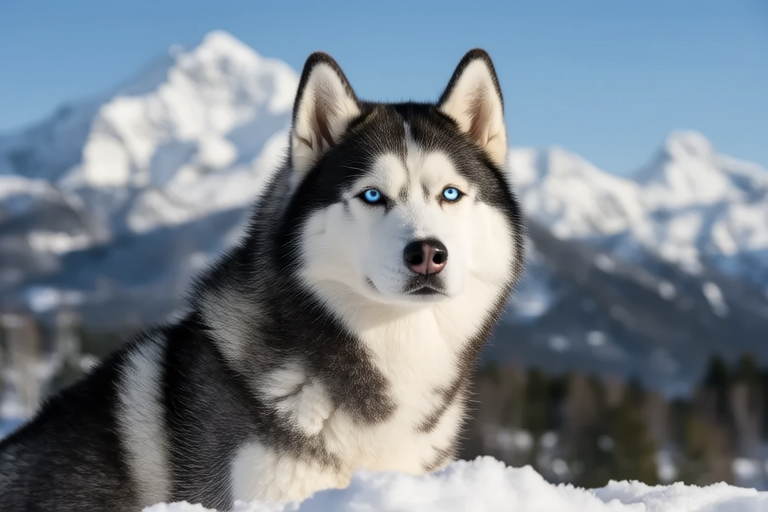
From Alaska to Your Couch: The Wild at Heart Siberian Husky Journey
Siberian Huskies are more than just a breed of dog; they are a living testament to the enduring spirit of adventure and resilience. Originating from the icy landscapes of Siberia, these dogs were bred by the Chukchi people for their exceptional endurance, intelligence, and loyalty. Over centuries, they became indispensable partners in the daily lives of the Chukchi, pulling sleds laden with supplies across vast, unforgiving terrains. Their journey from the frozen tundras of Siberia to the bustling streets of America is one marked by both triumph and adaptation.
The Origins and Early Role of Siberian Huskies in Alaska
In the early 20th century, Siberian Huskies made their way to Alaska, where they quickly established themselves as the preferred choice for sled racing and everyday transportation. The harsh Alaskan winters demanded a breed capable of enduring extreme cold and fatigue, and the Siberian Husky was perfectly suited for this role. The most famous example of their prowess is the serum run of 1925, where a relay of mushers and their Siberian Huskies delivered diphtheria antitoxin to Nome, saving countless lives. This event not only highlighted the remarkable endurance of the Siberian Husky but also cemented their place in the hearts of many Alaskans.
In everyday life, these dogs were more than just working animals; they were cherished family members. Their companionship and loyalty were unparalleled, and their ability to thrive in the harshest conditions made them invaluable to the settlers of Alaska. Despite their wild roots, Siberian Huskies adapted remarkably well to the demands of human companionship, forming deep bonds with their families. This adaptability is what makes them such fascinating subjects for anyone interested in the history of man’s best friend.
The Challenges of Adapting Siberian Huskies to Domestic Environments
Bringing a Siberian Husky into a domestic setting presents unique challenges. These dogs are inherently independent and possess a strong sense of wanderlust, traits that served them well in their original roles but can be problematic in a suburban home. Their high energy levels require ample exercise and mental stimulation to prevent destructive behavior. Without proper outlets for their energy, Siberian Huskies can become restless and may exhibit behaviors like digging, chewing, or escaping.
To successfully integrate a Siberian Husky into your home, it is essential to provide them with consistent training and plenty of physical activity. Daily walks, runs, or trips to the dog park can help satisfy their need for movement. Additionally, engaging them in activities like obedience training or agility courses can keep their minds sharp and prevent boredom. Consistency in training is key, as Siberian Huskies respond well to positive reinforcement and clear expectations.
One owner, Sarah, shared her experience with her Siberian Husky, Max. “Max was always on the move,” she recalled. “He’d find ways to entertain himself, which often meant getting into trouble. It wasn’t until we started taking him on long hikes and introduced him to agility training that his behavior improved. Now, he’s the happiest when we’re out exploring together.”
The Unique Bond Between Siberian Huskies and Their Families
The bond between a Siberian Husky and its family is one of deep affection and mutual respect. These dogs are fiercely loyal and protective, often forming strong attachments to their owners. Their intelligence and problem-solving skills make them excellent companions, always ready to assist or simply be present. Many owners describe their Siberian Huskies as having a ‘cat-like’ independence, yet they remain devoted and attentive to their families.
Alice, who has owned two Siberian Huskies, remarked, “They are incredibly intuitive. They know when I’m feeling down and will come sit by me, offering silent comfort. It’s as if they understand my emotions without needing words.” This emotional connection is a hallmark of the Siberian Husky’s personality and is something many owners cherish deeply.
Maintaining the Health and Happiness of Siberian Huskies in Modern Homes
Ensuring the health and happiness of a Siberian Husky in a modern home requires attention to both physical and emotional needs. Regular veterinary check-ups, a balanced diet, and routine grooming are crucial for maintaining their physical health. Siberian Huskies are generally healthy dogs, but they can be prone to certain genetic conditions, such as hip dysplasia and eye problems. Early detection and treatment can prevent these issues from becoming serious.
Emotional well-being is equally important. Providing a stimulating environment and engaging in regular play and training sessions can help keep your Siberian Husky mentally sharp and emotionally stable. Socialization with other dogs and humans is also vital, especially during their formative years. A well-socialized Siberian Husky is more likely to be calm and confident in various situations.
Another key aspect of maintaining a happy Siberian Husky is ensuring they have access to outdoor spaces where they can run and explore. If you live in an apartment, consider enrolling them in doggy daycare or hiring a professional dog walker to ensure they get enough exercise. Mental stimulation through interactive toys and puzzles can also help keep them engaged and entertained.
Ultimately, the journey of a Siberian Husky from the wilds of Alaska to the comfort of your couch is one of adaptation and companionship. With the right care, training, and understanding, these wild-at-heart dogs can thrive in modern homes, bringing joy and loyalty to their human families. Their story is one of resilience, love, and the enduring bond between man and beast.
