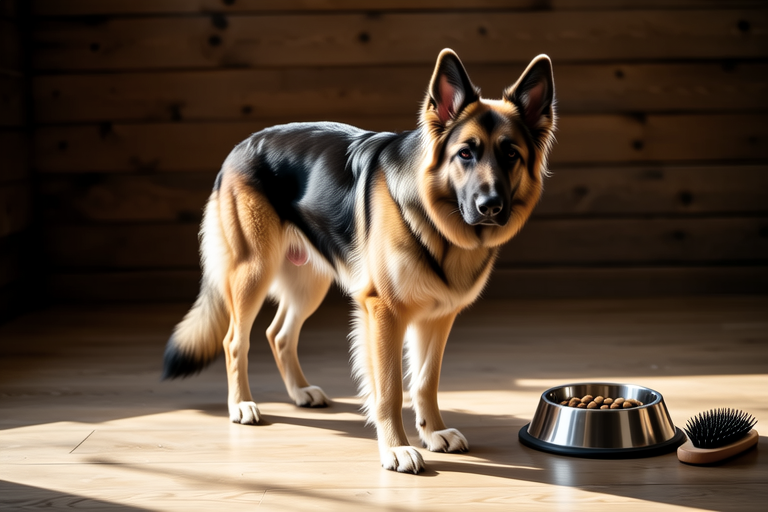
German Shepherd Care Tips Every Owner Should Know
Welcome to this comprehensive guide on taking care of your beloved German Shepherd! Owning a German Shepherd is a rewarding experience, but it also comes with significant responsibilities. From ensuring they get the right diet and exercise to understanding their unique health concerns and training needs, this article will cover everything you need to know to provide the best care for your furry friend.
Diet and Nutrition
Feeding your German Shepherd a balanced diet is crucial for their overall health and well-being. These dogs require high-quality protein sources like chicken, beef, or fish, as they are active and energetic. Avoid feeding them table scraps, as these can be harmful and lead to obesity. Consult with your veterinarian about the best dog food brands that meet your German Shepherd’s nutritional requirements.
German Shepherds are prone to certain health issues, such as hip dysplasia and digestive problems. Choose foods that support joint health and have a good balance of fiber to promote healthy digestion. Remember to provide fresh water at all times and monitor their weight to prevent obesity, which can exacerbate joint problems.
Exercise Needs
German Shepherds are highly energetic and need plenty of physical activity to stay healthy and happy. Aim for at least two hours of exercise daily, including walks, runs, and playtime. This breed thrives on mental stimulation as well, so incorporate activities that challenge their minds, such as puzzle toys or obedience training.
Regular exercise not only keeps your German Shepherd fit but also helps manage their behavior. A tired dog is less likely to exhibit destructive behaviors like chewing or digging. Always supervise your German Shepherd during outdoor activities to ensure their safety.
Grooming Tips
Grooming is an essential part of maintaining your German Shepherd’s health and appearance. Their double coat requires regular brushing to prevent matting and reduce shedding. Brush them at least twice a week, more frequently during shedding seasons. Bathing your dog every six to eight weeks with a gentle shampoo is usually sufficient, but always check with your vet if you notice any skin irritations or unusual odors.
In addition to brushing and bathing, keep your German Shepherd’s nails trimmed and ears clean. Long nails can cause discomfort and affect their gait, while dirty ears may lead to infections. Regular grooming also provides an opportunity to check for any abnormalities or signs of illness.
Health Concerns
German Shepherds are generally healthy dogs, but they are susceptible to certain genetic and environmental health issues. Hip dysplasia is one of the most common conditions, affecting many large breeds. Early intervention and management strategies, such as weight control and joint supplements, can help alleviate symptoms.
Other health concerns include elbow dysplasia, degenerative myelopathy, and bloat. Degenerative myelopathy is a progressive disease that affects the spinal cord, leading to weakness and loss of coordination in the hind legs. Bloat, also known as gastric torsion, is a life-threatening condition where the stomach twists and fills with gas. Immediate veterinary attention is necessary if you suspect your dog has bloat.
To minimize the risk of these conditions, choose a reputable breeder who performs health screenings on their breeding stock. Regular check-ups with your veterinarian are also vital for early detection and treatment of potential health issues.
Training Methods
Training your German Shepherd is essential for building a strong bond and teaching them good manners. These intelligent dogs respond well to positive reinforcement techniques, such as praise, treats, and play. Consistency is key when training; establish clear rules and expectations from the beginning and stick to them.
Begin basic obedience training as soon as possible, focusing on commands like ‘sit,’ ‘stay,’ ‘come,’ and ‘leave it.’ Socialization is equally important, exposing your puppy to various people, animals, and environments to ensure they grow into well-adjusted adults. Training should be fun and engaging for both you and your dog, fostering a positive learning environment.
Socialization Importance
Socializing your German Shepherd from a young age is crucial for their development into a confident and well-behaved adult. Expose them to different situations, sounds, and people to help them become comfortable and adaptable. This can include visits to the park, trips to the pet store, and interactions with other dogs and pets.
A well-socialized German Shepherd is more likely to be calm and friendly around strangers and in unfamiliar settings. It also reduces the risk of developing fear-based aggression or anxiety-related issues. Start socialization early and continue throughout your dog’s life to reinforce positive experiences and behaviors.
Common Behavioral Issues
Despite their intelligence and trainability, German Shepherds can sometimes exhibit behavioral challenges. One common issue is separation anxiety, where your dog becomes distressed when left alone. Signs of separation anxiety include destructive behavior, excessive barking, or attempting to escape. Address this by gradually increasing the time your dog spends alone, providing them with interactive toys, and creating a safe and comfortable space for them.
Another behavioral concern is guarding, especially of food or toys. While some guarding is normal, excessive possessiveness can be dangerous. Teach your dog the ‘drop it’ command and practice it regularly to encourage sharing. If your German Shepherd shows aggressive tendencies, seek professional help from a certified trainer or behaviorist.
The Rewards of Ownership
Owning a German Shepherd is a rewarding experience that brings joy and companionship into your life. These loyal and devoted dogs form strong bonds with their families and are excellent protectors. They are also highly trainable and excel in various roles, including service dogs, therapy dogs, and search and rescue operations.
While there are challenges associated with German Shepherd ownership, the love and loyalty they offer make it all worthwhile. By providing proper care, attention, and training, you can ensure your German Shepherd leads a long, healthy, and fulfilling life.
Remember, owning a German Shepherd is a commitment that requires time, effort, and dedication. But with the right care and attention, you and your German Shepherd can enjoy a wonderful relationship built on trust, respect, and love.
