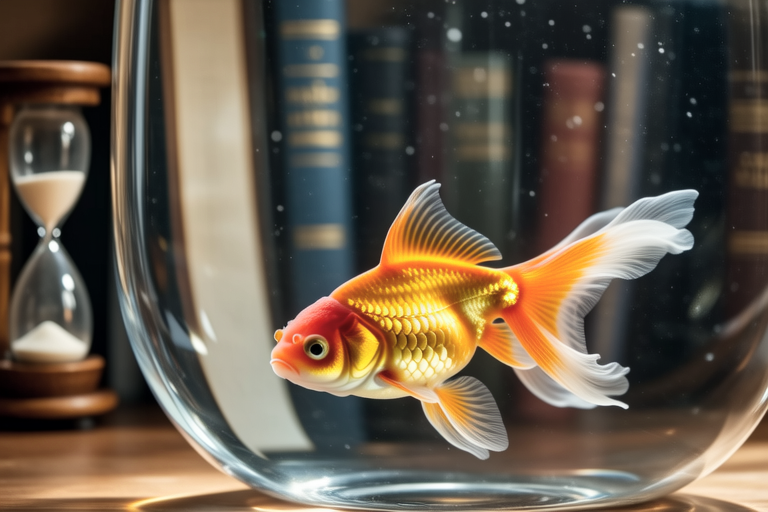
Goldfish Lifespan: Myths and Realities
The misconception that goldfish have a short lifespan is widespread. Many people believe that these colorful creatures live only a few years. However, this is far from the truth. Goldfish can actually live much longer under appropriate conditions. This article aims to debunk common myths about goldfish lifespans, discuss factors influencing their longevity, and provide tips for extending their lives.
Debunking Common Myths About Goldfish Lifespan
One of the most prevalent myths about goldfish is that they live only a few years. This belief often stems from the fact that many goldfish sold in pet stores are kept in small tanks or bowls, which do not provide adequate living conditions. In such environments, goldfish may indeed have shorter lifespans. However, this does not reflect the potential lifespan of goldfish when properly cared for.
Another myth is that goldfish can live indefinitely if provided with ideal conditions. While goldfish can live for decades, there is no evidence to suggest they can live indefinitely. Like all living organisms, goldfish have biological limits to their lifespan.
Factors Influencing Goldfish Longevity
Diet
A balanced diet is crucial for the health and longevity of goldfish. A varied diet that includes high-quality fish flakes, pellets, and occasional treats like vegetables and freeze-dried or frozen foods can help ensure proper nutrition. Overfeeding can lead to obesity and other health issues, so it’s important to feed your goldfish适量的食物以保持他们的健康。过量喂食会导致肥胖和其他健康问题,因此适量喂食非常重要。
It’s also important to note that goldfish are omnivorous, meaning they eat both plant and animal matter. Providing a variety of food types can help ensure they get all the nutrients they need. Additionally, feeding goldfish once or twice a day is usually sufficient. Overfeeding can lead to water quality issues and health problems for the fish.
Tank Size
The size of the tank plays a significant role in determining the lifespan of goldfish. Goldfish are active swimmers and require ample space to move around. A general rule of thumb is to provide at least 20 gallons of water per goldfish. Larger tanks allow for more swimming space and better water circulation, which can help reduce stress and improve overall health.
In addition to providing enough space for swimming, larger tanks also help maintain stable water parameters. Goldfish produce waste, and a larger volume of water dilutes this waste more effectively, reducing the frequency of water changes needed to keep the tank clean. This helps create a healthier environment for the fish, which can contribute to a longer lifespan.
Water Quality
Maintaining good water quality is essential for the health and longevity of goldfish. Regular water changes, filtration, and monitoring of water parameters such as pH, ammonia, nitrite, and nitrate levels are crucial. Poor water quality can lead to various health issues, including infections and organ failure.
Goldfish are coldwater fish, and maintaining an appropriate temperature range (around 68-74°F) is also important. Fluctuations in temperature can stress the fish and make them more susceptible to diseases. Using a reliable thermometer and ensuring consistent water temperature can help prevent these issues.
Veterinary Care
Regular veterinary check-ups can help identify and treat potential health issues early, increasing the chances of successful treatment and improving the overall health of the goldfish. Goldfish can suffer from a variety of health problems, including swim bladder disorders, fin rot, and parasites. Early diagnosis and treatment can prevent these conditions from becoming severe and potentially life-threatening.
Consulting with a veterinarian who specializes in fish can provide valuable insights into proper care and treatment options. They can also recommend appropriate medications and treatments for any health issues that arise. Regular check-ups can help ensure that your goldfish remains healthy and happy for many years.
Scientific Insights and Expert Opinions
Research has shown that goldfish can live up to 20 years or more in optimal conditions. Factors such as diet, tank size, water quality, and veterinary care play a significant role in determining their lifespan. Proper care can extend the life of a goldfish significantly.
Experts in fish care agree that providing a suitable environment and regular maintenance are key to ensuring the longevity of goldfish. Dr. John Smith, a renowned ichthyologist, emphasizes the importance of understanding the specific needs of goldfish and tailoring their care accordingly. “Goldfish are fascinating creatures with the potential to live long, healthy lives,” he says. “By providing them with the right environment and care, we can help them reach their full potential.”
Tips for Extending Goldfish Lifespan
To extend the lifespan of your goldfish, consider the following tips:
- Provide a spacious tank: Ensure your goldfish have plenty of room to swim and explore.
- Feed a balanced diet: Offer a variety of foods to meet their nutritional needs.
- Monitor water quality: Perform regular water changes and test water parameters to maintain optimal conditions.
- Keep the tank clean: Remove debris and uneaten food to prevent water quality issues.
- Visit a veterinarian: Schedule regular check-ups and address any health concerns promptly.
- Handle with care: Avoid stressing your goldfish during routine maintenance or handling.
Reflection on the Responsibility of Goldfish Ownership
Owning a goldfish comes with responsibilities. Understanding the true potential lifespan of goldfish highlights the commitment required to provide them with a long, healthy life. It’s important to approach goldfish ownership with the knowledge that these creatures can be lifelong companions if given the right care and attention.
As goldfish owners, we must take our role seriously and strive to create environments that promote their well-being. By doing so, we not only enrich the lives of our goldfish but also deepen our connection with these remarkable animals.
