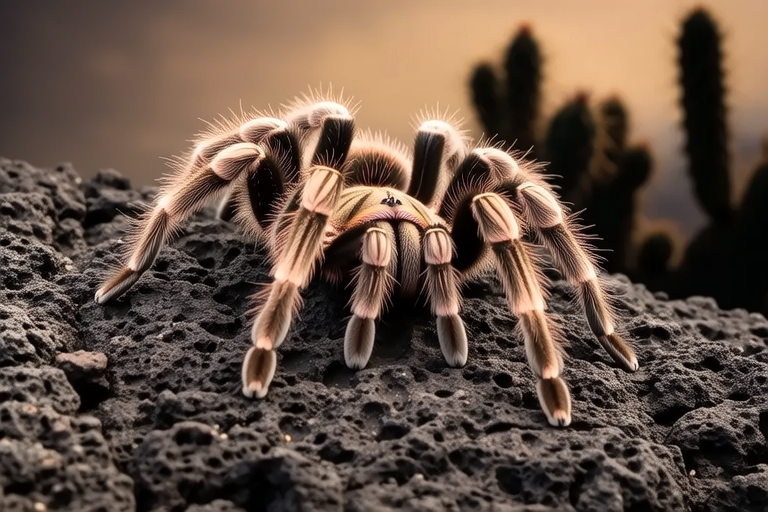
Debunking Common Myths About the Chilean Rose Tarantula
The Chilean Rose Tarantula (Grammostola rosea) is one of the most popular spider species kept as pets worldwide. Its manageable size, relatively docile nature, and striking appearance have made it a favorite among beginners and seasoned arachnophiles alike. However, despite its popularity, many misconceptions circulate about this fascinating creature. This article aims to shed light on five common myths surrounding the Chilean Rose Tarantula, providing accurate information based on scientific understanding and practical experience.
Myth 1: The Chilean Rose Tarantula is Highly Aggressive
Myth: One of the most prevalent myths about the Chilean Rose Tarantula is that it is highly aggressive and prone to biting. Many people believe that these spiders will attack without provocation, making them dangerous pets.
Fact: In reality, the Chilean Rose Tarantula is generally calm and non-aggressive. Like most tarantulas, they prefer to avoid confrontation and will only bite if they feel threatened. Studies show that these spiders have evolved to use their venom primarily for subduing prey rather than defending themselves against larger predators, including humans. Their venom is considered mild, causing only minor irritation similar to a bee sting in most cases. Therefore, while caution is always advised when handling any animal, the Chilean Rose Tarantula poses little threat to its handlers.
Myth 2: They Require Constant Handling
Myth: Another misconception is that the Chilean Rose Tarantula thrives on constant interaction with its owner. Some believe that these spiders need frequent handling to stay healthy and happy.
Fact: While it’s true that some tarantulas can become accustomed to gentle handling over time, the Chilean Rose Tarantula is not particularly social and does not require regular human contact. These spiders are solitary creatures by nature and spend most of their lives alone in the wild. Providing a well-designed enclosure with appropriate hiding spots, substrate, and environmental enrichment is far more beneficial for their welfare than frequent handling. It’s important for owners to respect their pet’s need for privacy and only handle them when necessary, such as during cleaning or moving the enclosure.
Myth 3: All Chilean Rose Tarantulas Have Identical Care Needs
Myth: There is a belief that all Chilean Rose Tarantulas require the exact same care regimen. This myth suggests that once you understand how to care for one, you automatically know everything needed for another.
Fact: Although the basic care requirements for Chilean Rose Tarantulas are similar, individual preferences can vary. Factors such as humidity levels, temperature ranges, and dietary needs can differ slightly between individuals. Additionally, the specific environment in which your tarantula was bred may influence its care needs. For example, tarantulas bred in captivity might adapt better to slightly different conditions compared to those collected from the wild. Consulting reputable sources and adjusting care based on your particular tarantula’s behavior and health is crucial for ensuring longevity and well-being.
Myth 4: The Chilean Rose Tarantula is Suitable Only for Beginners
Myth: A common assumption is that the Chilean Rose Tarantula is ideal solely for novice pet owners due to its ease of care. Experienced hobbyists might overlook this species, thinking it lacks challenge.
Fact: While the Chilean Rose Tarantula is indeed a great choice for beginners because of its hardiness and forgiving nature regarding husbandry mistakes, it also offers much to learn for more advanced enthusiasts. Observing the complex behaviors of these spiders, such as molting cycles, feeding habits, and courtship rituals, can be incredibly rewarding. Moreover, maintaining optimal living conditions for any pet requires dedication and continuous learning. Thus, whether you’re just starting out or looking to expand your knowledge base, the Chilean Rose Tarantula presents opportunities for growth within the realm of arachnid care.
Myth 5: They Can Be Fed Insects Found in the Wild
Myth: Some people think that since tarantulas eat insects in nature, feeding them wild-caught bugs at home would be acceptable practice.
Fact: Feeding wild-caught insects to your pet tarantula is not recommended. Wild insects may carry parasites, diseases, or harmful chemicals from pesticides used in gardens and fields. Instead, it’s best to purchase feeder insects from reliable suppliers who provide safe, nutritious options specifically bred for reptile and amphibian diets. These commercially available insects are usually dusted with calcium supplements to ensure adequate nutrition. By feeding your tarantula high-quality food items, you help promote good health and prevent potential health issues caused by contaminated feed.
Advice for Potential Owners
If you’re considering adding a Chilean Rose Tarantula to your family, there are several key points to remember. First and foremost, research thoroughly before making a commitment. Understanding the unique aspects of tarantula care will help set realistic expectations and prepare you for what lies ahead. Invest in proper equipment, including an appropriately sized enclosure, suitable substrate, heating devices, and thermometers/hygrometers to monitor temperature and humidity.
When selecting a pet, choose from reputable breeders or rescue organizations whenever possible. Healthy specimens should appear active and alert, with no signs of injury or illness. Handling should be done carefully and infrequently; always support the body gently without squeezing or pinching.
Lastly, consider joining local or online communities dedicated to exotic pets. Sharing experiences and tips with fellow enthusiasts can enrich your journey as a responsible pet owner. Remember, owning a Chilean Rose Tarantula comes with great responsibility but also immense satisfaction. With thoughtful preparation and ongoing education, you’ll enjoy years of companionship with this remarkable arachnid.
