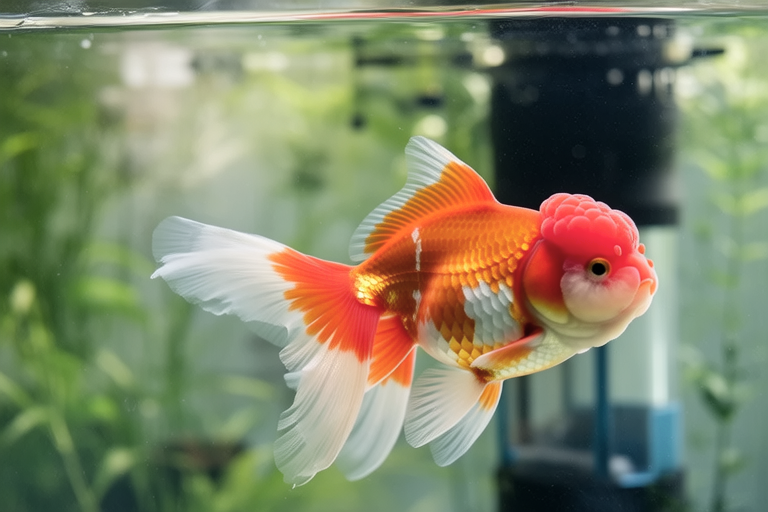
The Surprising Lifespan of Goldfish: Busting Myths and Tips for Longevity
Goldfish are often seen as low-maintenance pets, perfect for beginners or those seeking a simple addition to their home. However, one common misconception about goldfish is that they have very short lifespans. This article aims to debunk this myth and provide you with valuable information on how to extend your goldfish’s life through proper care and understanding of their biological needs.
Debunking the Myth: Goldfish Lifespan
Many people believe that goldfish only live for a couple of years, but this couldn’t be further from the truth. In reality, goldfish can live up to 20 years if cared for properly. The lifespan discrepancy arises from the poor conditions often provided in small bowls or tanks, which lead to early deaths due to stress, disease, and malnutrition.
Factors Affecting Goldfish Longevity
Proper Diet
Feeding your goldfish the right food is crucial for their health and longevity. A balanced diet should include pellets, flakes, and occasional treats like vegetables (such as zucchini or peas) and live foods (like brine shrimp). Overfeeding can cause digestive issues and pollute the water, so it’s important to feed them small amounts two to three times daily.
Water Quality
Water quality plays a significant role in maintaining your goldfish’s health. Regular partial water changes (about 25% weekly) help remove toxins and maintain optimal pH levels. Additionally, using a filter will keep the water clean and oxygenated, reducing stress on your fish. It’s also essential to monitor ammonia, nitrite, and nitrate levels regularly, ensuring they remain within safe ranges.
Tank Size
Adequate space is vital for goldfish, especially since they grow larger than most people expect. A single goldfish requires at least 20 gallons of water, while each additional fish needs another 10 gallons. Providing ample swimming room reduces stress and promotes healthy exercise, contributing to longer lives.
Regular Care
Maintaining a consistent routine helps prevent diseases and ensures your goldfish thrive. This includes monitoring water temperature (ideally between 68-74°F), checking for signs of illness, and performing regular maintenance tasks such as cleaning filters and vacuuming gravel. Consistent care prevents sudden changes that could shock your fish.
Scientific Insights into Goldfish Biology
Understanding some basic biology behind goldfish can further explain why certain factors affect their longevity. Goldfish are cold-blooded animals, meaning their body temperature adapts to the environment around them. They rely heavily on external stimuli to regulate metabolism, making water quality and temperature critical for survival.
Goldfish also have unique respiratory systems designed for aquatic environments. Their gills allow them to extract oxygen from water efficiently, but this process becomes less effective when dissolved oxygen levels drop. Maintaining high-quality water ensures that your goldfish can breathe easily, supporting overall health.
Practical Tips for Goldfish Owners
Here are some practical tips to ensure your goldfish lives a long, healthy life:
- Choose the Right Tank: Select a tank large enough for your goldfish based on their expected adult size.
- Invest in Quality Equipment: Good filtration systems, heaters, and thermometers make a huge difference in water quality and temperature control.
- Monitor Water Parameters: Regularly test for ammonia, nitrite, and nitrate levels to catch potential problems early.
- Feed Appropriately: Offer a varied diet and avoid overfeeding to maintain digestive health.
- Provide Environmental Enrichment: Include plants, caves, and other structures to stimulate natural behaviors.
Inspiring Stories of Long-Lived Goldfish
There are many heartwarming tales of goldfish living well beyond expectations thanks to dedicated owners. One famous example is Tish, a goldfish who lived to be 41 years old. Another notable case is George, who reached 43 years. These exceptional lifespans demonstrate what’s possible with attentive care.
These stories serve as inspiration for all goldfish owners, showing that with the right approach, these beautiful creatures can bring joy and companionship for decades.
Conclusion
The myth of goldfish having short lifespans is just that – a myth. By providing appropriate living conditions, proper nutrition, and regular care, goldfish can enjoy long, healthy lives. Understanding the science behind their biology and behavior allows us to create environments where they flourish. With dedication and effort, you too can witness the magic of a goldfish reaching impressive ages through excellent care.
