Top Secrets Every Siamese Cat Owner Should Know
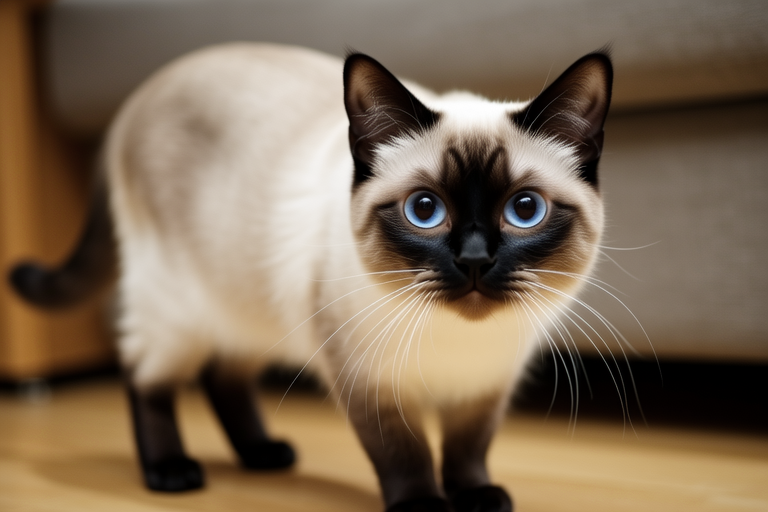
Welcome to the wonderful world of Siamese cats! Known for their striking blue almond-shaped eyes, sleek coats, and distinctive color points, these felines have been captivating cat lovers for centuries. If you’re a proud owner or considering adopting one, this guide will help you understand your Siamese companion better. From their unique personality traits to dietary needs, grooming tips, and common health issues, we’ll cover everything you need to know to provide the best care for your Siamese cat.
The Unique Personality Traits of Siamese Cats
Siamese cats are renowned for their social nature and intelligence. They thrive on human interaction and often form strong bonds with their owners. These cats are known to be vocal, often communicating their needs and desires through meows, chirps, and other vocalizations. Their curiosity and playful demeanor make them delightful companions, but they also require plenty of mental and physical stimulation to stay happy and healthy.
Siamese cats are highly interactive and can sometimes exhibit behavior that mimics dogs. They enjoy playing fetch, walking on a leash, and participating in family activities. Their loyalty and affectionate nature make them excellent pets for families with children and other pets.
Dietary Needs of Siamese Cats
Like all cats, Siamese cats require a balanced diet rich in proteins, fats, vitamins, and minerals. High-quality commercial cat foods formulated for indoor cats or adult cats are generally suitable. However, it’s essential to consult with your veterinarian to determine the appropriate diet based on your cat’s age, weight, and activity level.
Siamese cats may have sensitive stomachs, so it’s crucial to introduce new foods gradually and monitor for any adverse reactions. Fresh water should always be available to keep them hydrated. Avoid feeding them table scraps or human food, as some ingredients can be harmful to cats.
Grooming Tips for Siamese Cats
Siamese cats have short, fine coats that are relatively easy to maintain. Regular brushing helps remove loose hair and prevents matting, especially during shedding seasons. Use a soft-bristled brush or a rubber grooming glove to gently massage their skin and stimulate blood circulation.
Bathing is usually unnecessary unless your cat gets into something messy. If you do bathe your Siamese, use a mild, cat-safe shampoo and ensure thorough rinsing to avoid skin irritation. Nail trimming should be done every few weeks to prevent overgrowth and potential injury.
Eye care is particularly important for Siamese cats due to their prominent eyes. Wipe away any discharge or debris with a damp cloth to prevent infection. Check their ears regularly for signs of wax buildup or redness and clean them if necessary.
Common Health Issues in Siamese Cats
Siamese cats are generally healthy, but they are prone to certain genetic conditions. Progressive retinal atrophy (PRA) is a leading cause of blindness in older Siamese cats. Early signs include night blindness, dilated pupils, and difficulty navigating in low light. Regular veterinary check-ups can help detect and manage this condition.
Congenital heart disease is another concern, particularly hypertrophic cardiomyopathy (HCM). This condition causes the heart muscle to thicken, potentially leading to heart failure. Symptoms may include lethargy, rapid breathing, and decreased appetite. Genetic testing and regular cardiac evaluations can help identify and address this issue.
Siamese cats are also susceptible to dental problems, including tooth decay and gum disease. Providing dental chews, toys, and regular teeth brushing can help maintain good oral hygiene. Annual dental check-ups are recommended to prevent serious complications.
Effective Training Methods for Siamese Cats
Siamese cats are highly trainable due to their intelligence and desire to please their owners. Positive reinforcement techniques, such as treats and praise, work best. Start by teaching basic commands like ‘sit’ and ‘stay.’ Gradually introduce more complex tricks, rewarding each successful attempt.
Training sessions should be short and fun, lasting no more than 10-15 minutes per day. Consistency is key; practice regularly to reinforce learned behaviors. Interactive toys and puzzles can also aid in training by providing mental stimulation and encouraging problem-solving skills.
Mental Stimulation: Keeping Your Siamese Cat Engaged
Siamese cats are incredibly intelligent and require ample mental stimulation to prevent boredom and behavioral issues. Provide a variety of toys that challenge their minds, such as puzzle feeders, interactive laser pointers, and treat-dispensing balls. Rotate toys periodically to keep things interesting.
Create a stimulating environment by setting up climbing structures, scratching posts, and window perches. Encourage exploration and play with interactive games that involve chasing, fetching, and hunting simulations. Mental engagement helps reduce stress and promotes overall well-being.
Dealing with Vocal Tendencies
One of the most distinctive traits of Siamese cats is their tendency to vocalize. While this can be charming, it can also become bothersome, especially for new owners. Understanding the reasons behind their vocalization is the first step in addressing it.
Siamese cats often meow to express their needs, seek attention, or communicate discomfort. Responding consistently to their calls can inadvertently encourage excessive meowing. Instead, try to anticipate their needs and offer attention proactively. Redirect their attention with toys or treats when they start to vocalize unnecessarily.
If your Siamese cat’s vocalization becomes overwhelming, consider consulting a professional trainer or behaviorist. They can provide personalized strategies to manage and reduce unwanted vocalizations.
Conclusion
Owning a Siamese cat is a rewarding experience filled with love, companionship, and endless entertainment. By understanding their unique personality traits, dietary needs, grooming requirements, and common health issues, you can provide the best care for your Siamese companion. Remember to engage their intelligence with mental stimulation and address any vocal tendencies patiently. With proper care and attention, your Siamese cat will lead a happy, healthy life by your side.
