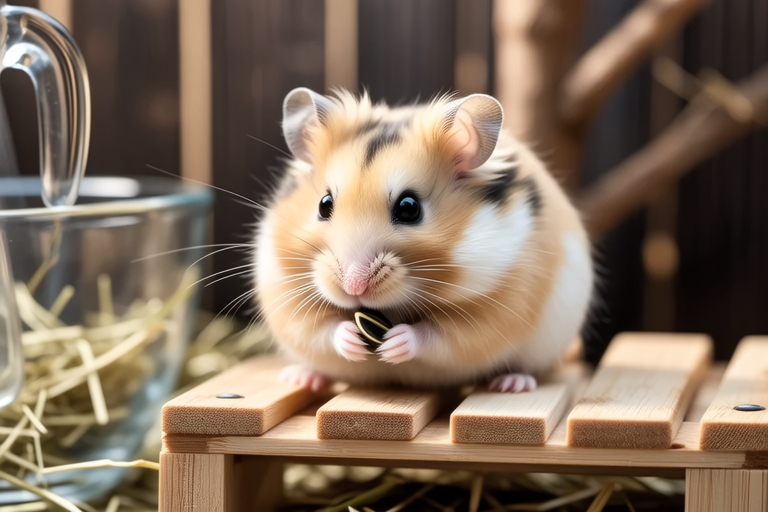
Top 10 Myths About Golden Hamsters You Need to Stop Believing
Welcome to a comprehensive guide that will help you separate fact from fiction when it comes to golden hamsters. As one of the most popular pets, these small creatures have been the subject of many misconceptions. Let’s dive into the top ten myths about golden hamsters that you need to stop believing.
Myth 1: Golden Hamsters Are Nocturnal
This is perhaps the most widely believed myth about golden hamsters. Many people think they are strictly nocturnal animals, meaning they sleep during the day and are active at night. However, golden hamsters are actually crepuscular, which means they are most active during twilight hours – dawn and dusk. This behavior allows them to avoid predators in the wild. It’s important for pet owners to understand this so they can provide a quiet, comfortable environment for their hamsters during their rest periods. Always place your hamster’s cage in a low-traffic area away from direct sunlight and loud noises.
Myth 2: Golden Hamsters Don’t Require Much Space
Another common misconception is that golden hamsters don’t need much space. While it’s true that they are small animals, they still require adequate living conditions to thrive. A minimum cage size of around 48 inches long, 24 inches wide, and 18 inches high is recommended. This provides enough room for exercise, exploration, and play. Additionally, enriching their environment with tunnels, toys, and climbing structures can significantly enhance their quality of life. Regular exercise is crucial for maintaining their physical health and mental well-being.
Myth 3: All Golden Hamsters Are Aggressive
Golden hamsters are often labeled as aggressive, but this couldn’t be further from the truth. Like any other animal, their behavior is influenced by factors such as upbringing, socialization, and environment. Proper handling and positive reinforcement training can help build trust between you and your hamster. Always handle your hamster gently, allowing them time to adjust to your presence. Providing a safe, stimulating environment can also reduce stress and promote good behavior.
Myth 4: Golden Hamsters Don’t Need Social Interaction
Many believe that golden hamsters are solitary creatures and don’t require social interaction. While they are primarily solitary in the wild, they can benefit from gentle human interaction. Spending time with your hamster, talking to them, and offering treats can strengthen your bond. However, it’s important to respect their personal space and not force interaction if they show signs of discomfort. Consistent, gentle handling can help your hamster become more comfortable with human contact.
Myth 5: Golden Hamsters Can Survive on Seeds Alone
Another prevalent myth is that golden hamsters can survive on seeds alone. In reality, a balanced diet is essential for their health. While seeds can be part of their diet, they should not make up the entirety of it. A healthy diet for golden hamsters includes a mix of high-quality pellets, fresh vegetables, fruits, and occasional treats like nuts and seeds. Feeding your hamster a variety of foods ensures they get all necessary nutrients. Always introduce new foods gradually to avoid digestive issues.
Myth 6: Golden Hamsters Don’t Need Toys
Some people think that because hamsters are small, they don’t need toys. On the contrary, providing toys and enrichment is vital for their mental and physical health. Toys like chew sticks, tunnels, and exercise wheels help prevent boredom and promote healthy behaviors. Boredom can lead to destructive behaviors such as chewing on cage bars or excessive digging. Ensuring your hamster has plenty of stimulating activities can help keep them happy and healthy.
Myth 7: Golden Hamsters Can Live Outside
There’s a belief that golden hamsters can live outside in a hutch similar to rabbits. This is not advisable. Hamsters are sensitive to temperature changes and extreme weather conditions. They are best kept indoors in a controlled environment. Their cages should be placed in a cool, dry location away from drafts and direct sunlight. Maintaining a stable temperature is crucial for their comfort and health.
Myth 8: Golden Hamsters Don’t Need Water Bottles
It’s sometimes thought that hamsters can get all the water they need from the moisture in their food. While some moisture is present in their diet, they still need access to fresh water. A water bottle attached to the side of their cage is the best way to ensure they have constant access to clean water. Regularly checking and cleaning the water bottle prevents bacterial growth and keeps the water supply hygienic.
Myth 9: Golden Hamsters Are Easy to Housebreak
There’s a myth that golden hamsters can easily be housebroken, similar to cats or dogs. In reality, hamsters are small rodents with natural digging instincts. While you can encourage them to use a litter box, it’s not always successful. Instead, focus on providing a clean, comfortable living space and regularly cleaning their bedding. Using absorbent bedding materials and placing their food and water dishes in designated areas can help minimize mess.
Myth 10: Golden Hamsters Have a Short Lifespan
The last myth is that golden hamsters have a short lifespan. While it’s true that their average lifespan is around 2 to 3 years, proper care can extend their life expectancy. Regular vet check-ups, a nutritious diet, and a clean living environment are key factors in ensuring a longer, healthier life. Providing regular veterinary care helps detect and treat potential health issues early on.
Conclusion
Understanding the truths behind these myths can greatly improve the care and happiness of your golden hamster. By providing the right environment, diet, and attention, you can ensure your hamster leads a fulfilling and healthy life. Remember, responsible pet ownership starts with research. Before adopting any pet, take the time to learn about their specific needs and requirements. This will not only benefit your new furry friend but also ensure a harmonious relationship between you and your pet.
