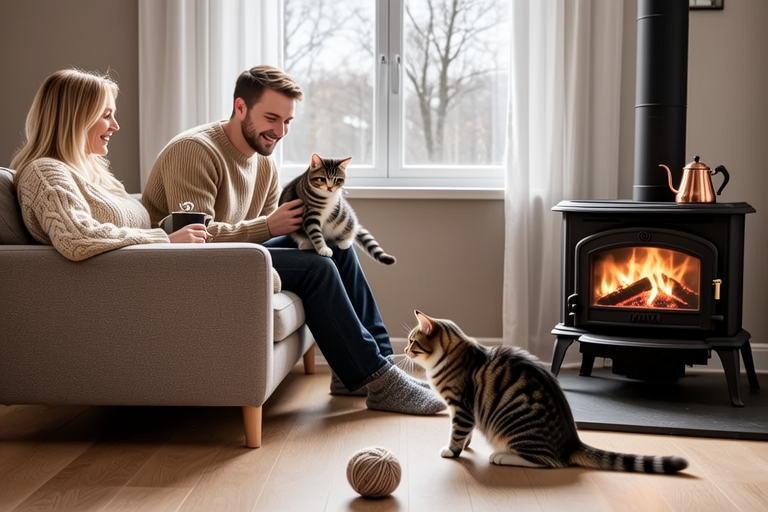
Norwegian Pets: How They’ve Become an Integral Part of Scandinavian Culture
In recent years, the role of pets in Norwegian society has evolved significantly, transforming from functional companions to cherished family members. This shift is deeply rooted in the country’s history, where pets initially served specific purposes before becoming integral parts of daily family life.
The Historical Context of Pet Ownership in Norway
Historically, pets in Norway were primarily valued for their practical contributions. Dogs, for instance, were essential for hunting, herding, and guarding livestock. The Norwegian Elkhound, a breed known for its resilience and loyalty, exemplifies this role. It was crucial in herding reindeer and assisting hunters. Cats, too, had their place, being valued for their rodent-hunting skills and ability to protect grain stores.
During the Middle Ages, the presence of animals in households was more about survival than companionship. As Norway transitioned into modernity, pets began to take on more symbolic roles, reflecting the changing values and lifestyles of Norwegians.
Societal Changes and Integration of Pets into Daily Family Life
The 20th century brought significant societal changes that influenced the integration of pets into Norwegian families. Urbanization and industrialization led to a decline in agricultural activities, reducing the need for working dogs. Simultaneously, there was a rise in leisure time and disposable income, allowing people to adopt pets purely for companionship.
The Norwegian government also played a role in this transformation. In the mid-20th century, it introduced policies promoting animal welfare, which included stricter regulations on pet breeding and conditions. These measures helped improve the treatment of animals, making them more desirable as companions.
Cultural shifts towards individualism and smaller family units further encouraged pet ownership. Pets became emotional support systems, providing comfort and unconditional love. Today, many Norwegians view their pets as children, treating them with the same level of care and affection.
The Current Landscape of Pet Care in Norway
Today, Norway boasts a thriving pet industry, with approximately 60% of households owning at least one pet. The most popular breeds include the Norwegian Forest Cat, the Buhund, and the Pomeranian. Each of these breeds has distinct characteristics that appeal to Norwegian pet lovers.
The Norwegian Forest Cat, with its thick fur and independent nature, thrives in the country’s cold climate. The Buhund, known for its intelligence and loyalty, remains a favorite among dog enthusiasts. The Pomeranian, with its small size and playful demeanor, fits well into urban apartments.
Unique pet-related traditions also exist in Norway. For example, the annual “Påskefugl” (Easter Bunny) parade in Oslo showcases elaborately decorated Easter eggs and rabbits, some of which are live. This event celebrates the arrival of spring and symbolizes new life.
Economic impacts of the pet industry are substantial. The sector contributes significantly to the national economy through sales of pet food, accessories, and veterinary services. According to a report, the pet industry generates over NOK 10 billion annually.
Insights from Norwegian Pet Owners and Experts
To gain deeper insights, we spoke with several Norwegian pet owners and experts. Hanne, a veterinarian, shared, “The bond between humans and their pets is incredibly strong. Pets provide emotional support, especially during challenging times.”
Trond, a pet owner, added, “My dog is more than just a pet; he’s part of our family. We go on hikes together, and he’s always there when I need someone to talk to.”
Experts suggest that the increasing popularity of pets can be attributed to several factors, including loneliness and the desire for companionship. The internet has also played a role, with social media platforms showcasing adorable pet photos and videos, encouraging more people to adopt pets.
Future Trends in Pet Ownership and Their Implications for Norwegian Culture
Looking ahead, trends indicate that pet ownership will continue to grow. Advances in technology, such as smart collars and health monitoring devices, will enhance pet care. Additionally, there’s a growing emphasis on sustainable pet products, reflecting broader environmental concerns.
The integration of pets into Norwegian culture is expected to deepen, with more community events and spaces dedicated to pets. This trend underscores the evolving relationship between humans and animals, highlighting the mutual benefits they bring.
In conclusion, Norwegian pets have transitioned from functional companions to cherished family members. This transformation reflects broader societal changes and shifting cultural values. As the country continues to embrace pets, it’s clear that they will remain an integral part of Norwegian life for generations to come.
