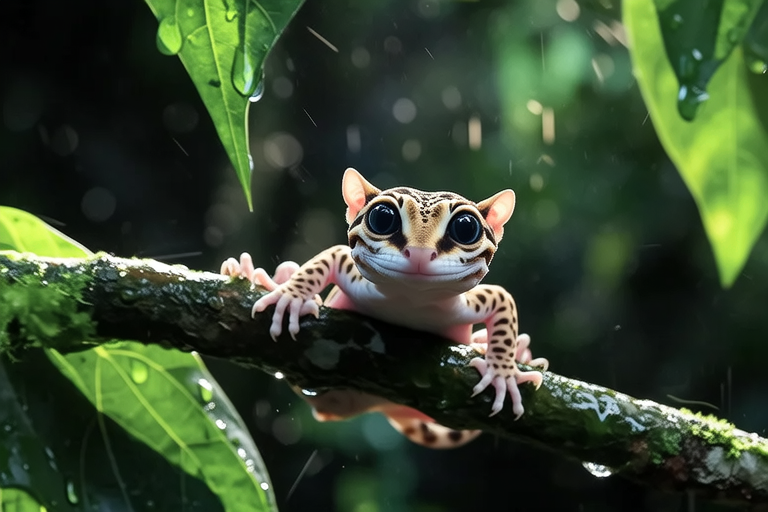
The Unique World of Chameleons: A Beginner’s Guide
Welcome to the fascinating world of chameleons! These remarkable creatures have captured human imagination for centuries with their distinctive physical adaptations and mysterious behaviors. Whether you’re a seasoned reptile enthusiast or just starting your journey into the captivating realm of herpetology, this guide will provide you with essential knowledge about these enchanting lizards.
Introduction to Chameleon Species Diversity
Chameleons belong to the family Chamaeleonidae, which includes over 200 recognized species. They can be found across Africa, Madagascar, southern Europe, and parts of Asia. Each species boasts unique characteristics that make them stand out from one another. For instance, some chameleons have long, prehensile tails used for balance and climbing, while others possess specialized toe arrangements designed specifically for gripping branches. The most popular pet chameleon species include Jackson’s chameleons (Trioceros jacksonii), panther chameleons (Furcifer pardalis), veiled chameleons (Chamaeleo calyptratus), and Parson’s chameleons (Cameleon parsonii). Understanding the diversity within this family helps potential owners choose the right species based on their experience level and resources available.
Unique Physical Adaptations
One of the most recognizable features of chameleons is their ability to change colors. This process, known as chromatophore-based coloration, allows them to alter pigmentation in response to environmental stimuli such as temperature, light intensity, mood, and social interactions. Another notable adaptation is their independently rotating eyes, giving them nearly 360-degree vision without moving their heads. Additionally, their feet are zygodactylous—meaning two toes point forward and three backward—allowing them to grasp branches securely even when hanging upside down. These adaptations contribute significantly to their survival in diverse habitats ranging from rainforests to arid deserts.
Dietary Habits and Habitat Preferences
Chameleons primarily feed on insects but may also consume small vertebrates depending on availability. Common prey items include crickets, mealworms, wax moths, and locusts. In captivity, it’s crucial to offer a varied diet rich in nutrients to ensure optimal health. Wild chameleons typically inhabit trees, bushes, and shrubs where they hunt using their extendable tongues, which can reach lengths up to twice their body size. Their natural environments range from tropical rainforests to semi-arid regions, with varying levels of humidity and sunlight exposure influencing their behavior patterns.
Care Tips for Beginners
Housing
Creating an appropriate enclosure is vital for keeping chameleons healthy and happy. Enclosures should mimic their natural environment as closely as possible, providing ample space for climbing and hiding spots. For example, a 4-foot tall by 2-foot wide cage works well for adult panther chameleons. Proper ventilation ensures good air circulation, reducing the risk of respiratory infections. Substrate isn’t necessary; instead, use live plants or artificial vines to create a secure climbing structure. Lighting plays a critical role in maintaining circadian rhythms and promoting calcium absorption through UVB bulbs.
Diet
In addition to offering a diverse insect menu, supplementing food with calcium powder helps prevent metabolic bone disease. Gut loading insects before feeding them to your chameleon enhances nutritional value. Hydration is equally important; misting systems or drip systems keep humidity levels consistent and encourage drinking behavior. Some chameleons prefer water droplets on leaves rather than drinking from bowls.
Health Monitoring
Regular check-ups help catch potential issues early. Look out for signs of stress, injury, or illness such as lethargy, weight loss, abnormal shedding, or discharge around the eyes. Establishing a routine veterinary relationship ensures access to professional advice and treatment options if needed.
Common Myths About Chameleons
Despite being widely misunderstood, many misconceptions exist regarding these animals. One prevalent myth suggests that chameleons change color solely to blend into their surroundings. While camouflage does play a role, emotional states, temperature regulation, and communication also influence color shifts. Another misconception involves believing that all chameleons thrive in similar conditions. As previously mentioned, different species require distinct setups tailored to their specific needs. Finally, there’s a notion that handling chameleons frequently harms them. However, gentle interaction doesn’t necessarily cause harm; however, excessive handling can lead to stress-related health problems.
Advice on Responsible Ownership and Conservation Efforts
Owning a chameleon comes with significant responsibilities. Before committing, research thoroughly to understand what’s involved in caring for one properly. Purchase captive-bred specimens whenever possible to support ethical breeding practices and reduce pressure on wild populations. Participating in local conservation initiatives contributes positively towards preserving native ecosystems. By fostering awareness and promoting sustainable husbandry methods, we can ensure future generations continue enjoying these extraordinary creatures.
In conclusion, exploring the unique world of chameleons offers endless opportunities for learning and enjoyment. From their incredible physical adaptations to intricate dietary requirements, each aspect adds depth to our understanding of these amazing reptiles. With proper preparation and commitment, becoming part of their story can be both rewarding and enlightening. Happy discoveries await those willing to embark on this exciting adventure!
