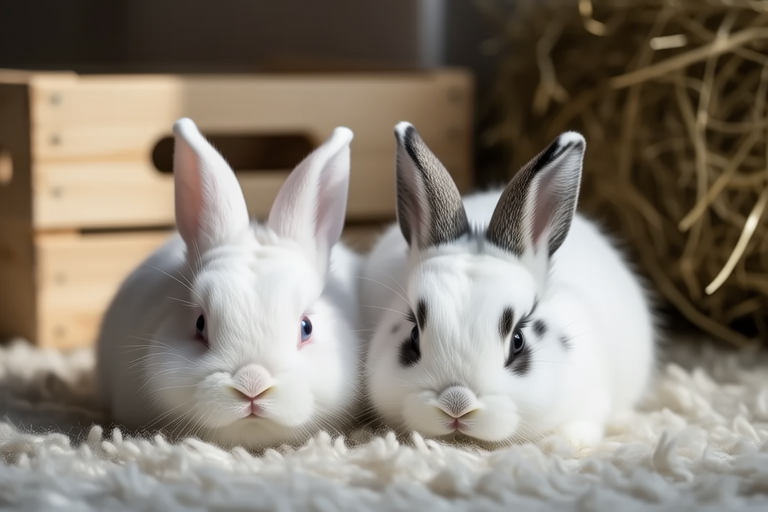
Adorable Lop Rabbits: The Fluffy Pets You Need in Your Life
Welcome to the enchanting world of lop rabbits, those irresistibly cute creatures with their iconic floppy ears. These gentle, loving pets have captured the hearts of many animal lovers with their soft fur, expressive faces, and endearing personalities. Lop rabbits come in various breeds, each with its own distinct size and unique features. In this article, we will explore the different types of lop rabbits, provide tips on how to care for them, discuss common health issues, and share stories of the strong bonds that can form between humans and these delightful pets.
The Charms of Lop Rabbits
Lop rabbits are known for their drooping ears, which are the hallmark of this breed. Their ears hang down either close to the face (dwarf lops) or along the sides of their head (giant lops). This distinctive feature gives them a sweet, almost perpetually surprised expression that makes them irresistible. Beyond their adorable appearance, lop rabbits are known for their calm and docile nature, making them ideal pets for families and individuals alike. They are intelligent and curious, often engaging in playful activities and forming deep bonds with their human companions.
Varieties of Lop Rabbits
There are several breeds of lop rabbits, each with its own unique characteristics. Some of the most popular include:
- Dwarf Lop: The smallest of the lop breeds, dwarf lops weigh around 2.5 to 3.5 kg (5.5 to 7.7 lbs). Their short, compact bodies and large, drooping ears give them a charming, round appearance. Dwarf lops are known for their friendly and social nature, making them great companions.
- Mini Lop: Slightly larger than dwarf lops, mini lops weigh approximately 3.6 to 5.4 kg (8 to 12 lbs). They are more robust in build but still retain the same affectionate personality. Mini lops are energetic and enjoy playing with toys and exploring their environment.
- English Lop: The largest of the lop breeds, English lops can weigh up to 8 kg (17.6 lbs). With their exceptionally long ears, they are often compared to rabbits from fairy tales. Despite their size, they remain gentle and easygoing, though they require more space and attention due to their larger frame.
- Beveren Lop: A relatively rare breed, Beveren lops are known for their rich, blue coat and long, pendulous ears. They are active and playful, making them excellent pets for those who want a more energetic companion.
Caring for Your Lop Rabbit
Proper care is essential to ensure your lop rabbit remains healthy and happy. Here are some key aspects to consider:
Diet
Lop rabbits need a balanced diet rich in hay, fresh vegetables, and a limited amount of pellets. Hay should make up the majority of their diet, as it aids digestion and keeps their teeth worn down. Fresh vegetables such as carrots, spinach, and broccoli can be offered in moderation. Avoid feeding them too many fruits or sugary treats, as these can lead to obesity and dental problems. Always provide clean, fresh water for your rabbit.
Housing
When it comes to housing, lop rabbits need a spacious, secure environment where they can move freely and feel safe. An indoor cage with enough room for your rabbit to stretch out comfortably is ideal. Ensure the cage has adequate ventilation and is placed away from direct sunlight and drafts. Adding a litter box and bedding can help keep the area clean and comfortable for your pet. Providing tunnels, hideaways, and chew toys will also stimulate your rabbit’s natural behaviors and keep them entertained.
Grooming
Regular grooming is important to keep your lop rabbit’s coat healthy and free of mats. Brushing your rabbit at least once a week helps remove loose fur and prevents hairballs. During shedding season, you may need to brush more frequently. Bathing should be kept to a minimum, as rabbits can become stressed easily. Instead, spot-clean any soiled areas and use a damp cloth to gently wipe off dirt. Trimming nails every few weeks is also necessary to prevent overgrowth.
Exercise
Lop rabbits are active animals that require regular exercise to stay healthy. Allow your rabbit supervised time outside of its cage each day to hop around and explore. A playpen or designated area within your home can provide a safe space for your rabbit to run and play. Always supervise your rabbit during playtime to ensure their safety and prevent accidents.
Health Issues and Prevention
Like all pets, lop rabbits can be susceptible to certain health issues. Regular veterinary check-ups and preventive care can help keep your rabbit healthy. Some common health concerns include:
- Tooth Problems: Overgrown teeth can cause pain and difficulty eating. Providing plenty of hay and chew toys can help keep teeth in check.
- Ear Infections: Due to their floppy ears, lop rabbits are prone to ear infections. Keep their ears clean and dry, and consult a vet if you notice any signs of infection, such as redness or discharge.
- Gastrointestinal Stasis: This condition occurs when the digestive system slows down or stops, leading to severe pain and potentially fatal complications. Ensuring a proper diet and providing regular exercise can help prevent this issue.
Early detection and treatment are crucial in managing these conditions. Regular visits to a veterinarian familiar with rabbit care can help catch and address any potential health issues before they become serious.
The Bond Between Humans and Lop Rabbits
The relationship between humans and lop rabbits can be incredibly rewarding. Many owners report feeling a deep connection with their pets, finding comfort and joy in their company. Stories abound of lop rabbits becoming part of family life, providing companionship and entertainment. One owner shared, “My lop rabbit, Flopsy, is my best friend. She follows me around the house and loves to cuddle. Her presence brings so much happiness to our home.”
Building a strong bond with your lop rabbit takes time and patience. Spend quality time with your pet, offering gentle handling and positive reinforcement. Training your rabbit to come when called or sit on command can strengthen the bond and make everyday interactions more enjoyable. Remember, lop rabbits thrive on attention and affection, so make sure to give them the love and care they deserve.
Why Lop Rabbits Make Wonderful Companions
Lop rabbits are truly special pets that bring joy and companionship to their owners. Their gentle nature, combined with their unique appearance, makes them stand out among other pets. Whether you’re looking for a loyal companion or simply a source of happiness, a lop rabbit could be the perfect addition to your life.
In conclusion, lop rabbits are not just pets; they are cherished members of the family. With proper care and attention, these fluffy creatures can provide years of love and companionship. Consider adopting a lop rabbit and experience the magic of having one of these adorable pets in your life. You won’t regret it!
