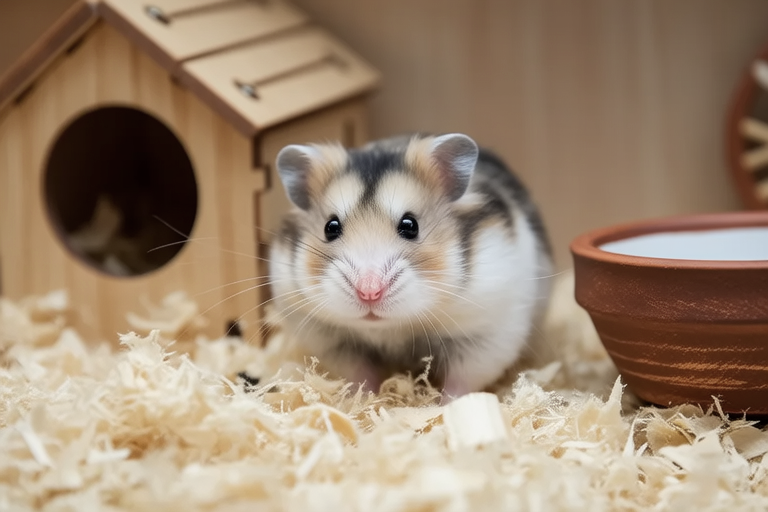
Everything You Didn’t Know About Caring for a Roborovski Dwarf Hamster
Welcome to the fascinating world of Roborovski dwarf hamsters! These tiny creatures, native to Central Asia, are the smallest domesticated hamster species. Despite their diminutive size, they have big personalities and specific care requirements that make them a joy and a challenge for dedicated pet owners. In this comprehensive guide, we will explore everything you need to know about caring for a Roborovski dwarf hamster, from their unique dietary needs to their habitat setup and exercise requirements.
Dietary Requirements: A Balanced Feast for Your Tiny Friend
Roborovski dwarf hamsters have a diet rich in seeds, grains, and vegetation that mimics their natural habitat. Their digestive systems are finely tuned to handle a variety of foods, but it’s essential to provide a balanced diet to keep your pet healthy. High-quality commercial hamster food, fortified with vitamins and minerals, forms the foundation of their diet. Supplement this with fresh vegetables like carrots, broccoli, and leafy greens, and occasional fruits such as apples or berries. Always introduce new foods gradually to avoid upsetting their sensitive stomachs.
Avoid feeding them high-fat or sugary treats, as these can lead to obesity and health problems. Additionally, ensure a constant supply of clean, fresh water, either through a sipper bottle or a shallow dish, depending on what your hamster prefers.
Habitat Setup: Creating a Safe and Stimulating Environment
Roborovski dwarf hamsters are highly active and require ample space to thrive. A minimum cage size of 24 inches by 18 inches by 12 inches (61 cm by 45 cm by 30 cm) provides enough room for exploration and exercise. Opt for a wire mesh cage with solid flooring to prevent injury from wire floors. The cage should be placed in a quiet area away from direct sunlight and drafts.
Include various levels and tunnels to encourage climbing and burrowing behaviors. Provide soft bedding material, such as shredded paper or aspen shavings, to create a comfortable sleeping environment. Avoid cedar or pine shavings, as they can irritate your hamster’s respiratory system. Adding chew toys and hiding spots will also stimulate their natural instincts and prevent boredom.
Exercise Needs: Keeping Your Hamster Active and Healthy
Roborovski dwarf hamsters are incredibly energetic and require plenty of opportunities for physical activity. In addition to their spacious cage, provide a hamster wheel specifically designed for small rodents. Ensure the wheel has a solid surface to prevent injuries from slipping or getting limbs caught. Rotate toys and add new elements to the cage periodically to maintain interest and mental stimulation.
Supervised playtime outside the cage can also be beneficial. Place your hamster in a safe, enclosed area with no gaps larger than 0.5 inches (1.27 cm) to prevent escape. Always supervise during playtime to ensure their safety.
Common Health Issues: Recognizing and Preventing Problems
Like all animals, Roborovski dwarf hamsters are susceptible to certain health issues. Common ailments include dental problems, obesity, and respiratory infections. Regularly check their teeth for signs of overgrowth, which can interfere with eating and cause pain. Provide appropriate chew toys to help them wear down their teeth naturally.
Monitor their weight and adjust their diet accordingly to prevent obesity. Signs of respiratory issues may include sneezing, wheezing, or nasal discharge. If you notice any of these symptoms, consult a veterinarian specializing in exotic pets immediately.
Behavioral Insights: Understanding Your Hamster’s Personality
Roborovski dwarf hamsters are known for their playful and curious nature. They are generally more active during twilight hours, so you might find them most active at dawn and dusk. Unlike some other hamster species, Roborovskis are less likely to bite and are more tolerant of handling. However, they are still prey animals and may become stressed if handled too roughly or frequently.
To build trust, start by placing your hand gently in the cage for short periods daily. Gradually increase the time spent handling your hamster, always supporting its body to prevent injury. Patience is key when socializing these tiny pets. Reward good behavior with treats and gentle praise.
Handling, Training, and Socialization: Building a Bond with Your Pet
Handling your Roborovski dwarf hamster requires gentleness and patience. Support their body fully when picking them up and avoid squeezing or restraining them. Allow them to acclimate to your presence before attempting to handle them. Once they are comfortable, you can begin basic training, such as teaching them to come to you for treats.
While Roborovskis can be housed together, it’s crucial to introduce them carefully and monitor their interactions closely. Same-sex pairs or groups are preferable to avoid breeding. Even then, conflicts may arise, so always provide separate food and water sources and monitor for signs of aggression.
Differences in Care Compared to Other Hamster Species
Roborovski dwarf hamsters differ from other hamster species in several ways. Their smaller size means they require more careful handling and specialized equipment. They are also more active and require more space and enrichment to stay healthy and happy. Unlike Syrian hamsters, Roborovskis are more sociable and can sometimes live harmoniously with others of the same sex, although this is not guaranteed.
Roborovski dwarf hamsters are less prone to obesity and related health issues, but they are more sensitive to temperature changes. Ensure their living environment remains within a comfortable range to prevent stress and illness.
Encouraging Responsible Pet Ownership
Owning a Roborovski dwarf hamster is a rewarding experience, but it comes with significant responsibilities. Before bringing one home, ensure you are prepared to provide the necessary care and commitment. Research thoroughly, consult with experts, and prepare the right environment for your new pet. Remember, these little creatures rely on you for their well-being, so give them the love and attention they deserve.
In conclusion, Roborovski dwarf hamsters are delightful companions with unique care needs. By providing a balanced diet, a stimulating habitat, and regular exercise, you can ensure your hamster lives a long and healthy life. With patience and dedication, you’ll build a strong bond with your tiny friend and enjoy countless moments of joy and discovery.
