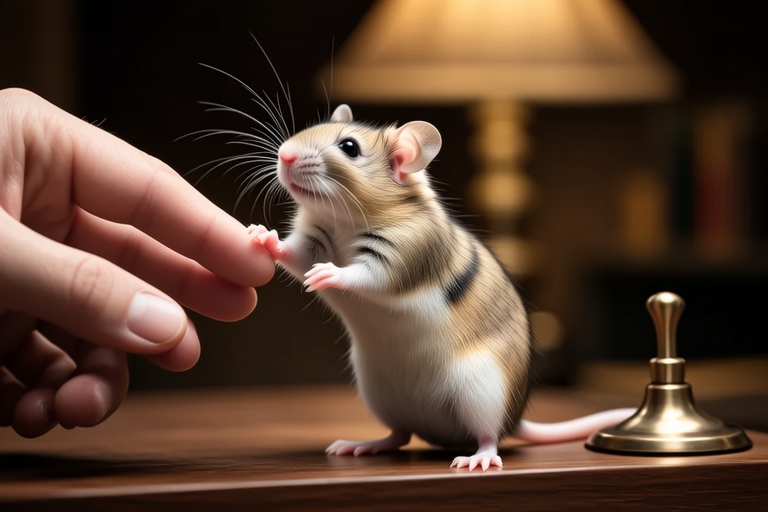
Fancy Rat Training Tricks: Simple Steps to Teach Your Pet Rat
Welcome to the fascinating world of fancy rat training! These intelligent, social creatures are not only delightful pets but also quick learners. With their curious nature and problem-solving abilities, fancy rats are perfectly suited for training. Whether you’re a first-time rat owner or a seasoned caregiver, this guide will provide you with simple steps to teach your pet rat some amazing tricks.
Understanding Your Rat’s Intelligence and Trainability
Fancy rats are highly intelligent animals that can learn a wide range of behaviors and tricks through positive reinforcement. Their keen senses and ability to solve puzzles make them ideal candidates for training. Understanding your rat’s natural behaviors and instincts is crucial for successful training. Rats are social creatures that thrive on interaction, so they enjoy spending time with their human companions during training sessions.
Basic Training Techniques
Clicker Training
Clicker training is a popular method used by many rat owners. This technique involves using a small handheld device that makes a clicking sound to mark the exact moment your rat performs a desired behavior. The click is followed by a treat as a reward, helping your rat associate the sound with good behavior. To start clicker training, choose a quiet environment where your rat feels comfortable. Click the device just before giving your rat a treat, ensuring it understands the connection between the sound and the reward. Gradually introduce new behaviors, always reinforcing them with clicks and treats.
Positive Reinforcement Methods
Positive reinforcement is key to successful rat training. This method involves rewarding your rat for desirable behaviors rather than punishing unwanted ones. Treats, petting, and verbal praise are effective ways to encourage your rat. It’s important to be consistent and patient, as rats may take time to grasp new commands. Keep training sessions short and fun, typically around 10-15 minutes, to maintain your rat’s interest and prevent frustration.
Common Commands and Tricks
Come When Called
Teaching your rat to come when called can be incredibly useful. Start by associating a specific word or sound with a treat. For example, say “come” while gently pulling on a leash attached to your rat’s harness. Once your rat comes to you, immediately give it a treat and lots of praise. Repeat this process several times each day until your rat responds consistently to the command. Over time, you can phase out the leash and harness, relying solely on your voice to call your rat.
Performing Tricks for Treats
Rats can learn various tricks, including sitting up, rolling over, and even walking on a treadmill. To teach your rat to sit up, hold a treat above its head, encouraging it to lift its body off the ground. Once it sits up, give it the treat and praise. For more advanced tricks, such as rolling over, use gentle guidance and plenty of treats to help your rat understand what you want. Patience and consistency are essential for teaching complex tricks.
Understanding Rat Behavior and Building Trust
To effectively train your rat, it’s important to understand its behavior and build a strong bond of trust. Rats communicate through body language, vocalizations, and scent marking. Pay attention to your rat’s posture, tail movements, and vocal sounds to gauge its mood and comfort level. Spend quality time together outside of training sessions, providing opportunities for play and exploration. Building trust takes time, so be patient and gentle with your rat throughout the training process.
Maintaining a Consistent Training Schedule
Consistency is key to successful rat training. Set aside regular training sessions at the same time each day to establish a routine. This helps your rat understand that training time is approaching and prepares it mentally. Keep training sessions short and engaging, avoiding boredom or fatigue. By maintaining a consistent schedule, you’ll see steady progress in your rat’s learning and behavior.
Celebrating Small Victories
Training your rat is a journey filled with small victories. Celebrate these milestones with extra treats, affection, and praise. Recognizing your rat’s efforts keeps both you and your pet motivated. Remember, every step forward, no matter how small, is a success worth celebrating. Stay positive and patient, and your rat will continue to amaze you with its intelligence and willingness to learn.
By following these simple steps and tips, you’ll be well on your way to creating a well-trained, happy, and bonded pet rat. Enjoy the process of training and the rewarding relationship that comes with it. Happy training!
