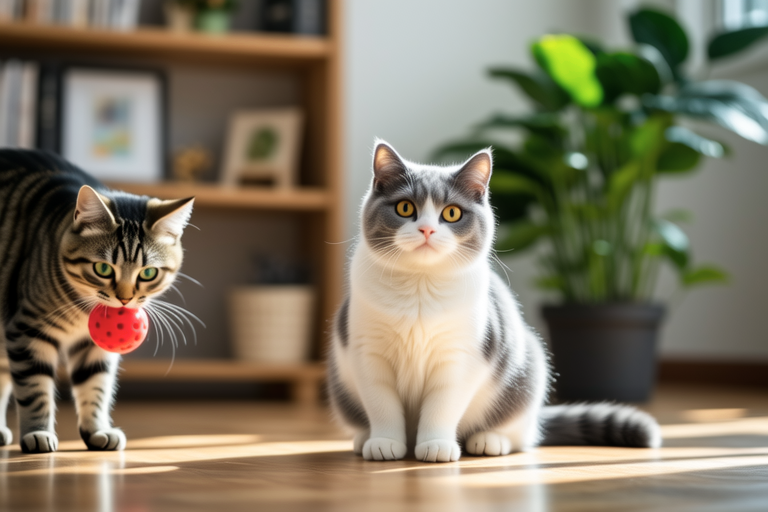
Adorable Munchkins: The World’s Shortest Cats and Their Big Personalities
Welcome to the enchanting world of Munchkin cats, a breed that has captured the hearts of many cat enthusiasts with its distinctive short-legged trait. These adorable felines have become popular due to their unique appearance and lovable personalities. In this article, we will delve into the origins, physical characteristics, and behavioral traits of Munchkin cats, while also addressing common health concerns and offering tips for potential owners.
The Origins of Munchkin Cats
The story of Munchkin cats began in the 1980s when a woman named Sandra Hochenedel discovered a pregnant stray cat with unusually short legs. She rescued the cat and named her Blackberry. One of Blackberry’s kittens inherited the same trait and was later bred with a domestic shorthair. This breeding produced the first litter of Munchkin cats. Over time, these cats were selectively bred to preserve their short-legged characteristic, leading to the establishment of the Munchkin breed recognized by The International Cat Association (TICA).
Physical Characteristics Beyond Their Legs
Munchkin cats are not just known for their short legs; they possess several distinct physical features. Their bodies are generally slender, with medium-sized frames and well-proportioned heads. Their eyes are large and expressive, adding to their charm. Munchkins come in various coat lengths, including both short-haired and long-haired varieties. Their coats can be found in a wide range of colors and patterns, such as tabby, solid, bicolor, and tortoiseshell. This diversity in appearance ensures that every Munchkin has its own unique look.
Playful and Curious Personalities
Beyond their physical appeal, Munchkin cats are known for their playful and curious nature. They are highly energetic and enjoy interactive play, making them perfect companions for individuals who are looking for an active pet. Their curiosity often leads them to explore their surroundings thoroughly, and they can be seen investigating every nook and cranny of their environment. Despite their short legs, Munchkin cats are surprisingly agile and can jump to impressive heights. Their playful antics and boundless energy make them delightful additions to any household.
Adaptability and Unique Behaviors
Munchkin cats are incredibly adaptable, thriving in both indoor and outdoor environments. Their friendly demeanor and sociable nature make them excellent companions for families with children or other pets. They tend to form strong bonds with their human companions and enjoy being part of the family’s daily activities. Munchkins are also known for their affectionate behavior, often seeking out attention and cuddles from their owners. Their unique behaviors, such as their ability to run on their hind legs like tiny kangaroos, add to their charm and endearment.
Comparisons with Other Cat Breeds
When compared to other cat breeds, Munchkin cats stand out due to their distinctively short legs. While some breeds, like the Siamese or Maine Coon, are known for their vocalizations or large size, Munchkins are celebrated for their unique appearance and playful personalities. Unlike breeds like the Persian, which are often more sedentary, Munchkins are full of energy and love to engage in various activities. Their adaptability and friendly nature set them apart from more aloof or independent breeds, making them ideal companions for those seeking a lively and loving pet.
Health Concerns Specific to Munchkins
While Munchkin cats are generally healthy, there are some health concerns associated with their short legs. One of the most significant issues is spinal problems, such as lordosis (an inward curvature of the spine) and kyphosis (an outward curvature of the spine). These conditions can cause discomfort and mobility issues for the cats. Potential owners should be aware of these risks and seek advice from veterinarians specializing in feline care. Regular check-ups and maintaining a healthy weight are crucial for preventing and managing these conditions.
Tips for Potential Owners
If you’re considering adopting a Munchkin cat, there are several tips to keep in mind. First, ensure that your home is safe and secure, as Munchkin cats may find it easier to escape through small openings due to their height. Providing sturdy scratching posts and toys can help satisfy their natural instincts and prevent destructive behavior. Additionally, maintaining a balanced diet and regular exercise routine is essential for keeping your Munchkin healthy and happy. Consulting with a veterinarian experienced in caring for Munchkin cats can provide valuable insights and support throughout their life.
Anecdotes and Testimonials
Many cat lovers have shared heartwarming stories about their experiences with Munchkin cats. One owner, Sarah, describes her Munchkin, Whiskers, as “a constant source of joy and laughter.” Whiskers’ playful antics and affectionate nature have brought immense happiness to Sarah’s household. Another owner, Mark, mentions how his Munchkin, Luna, has become an integral part of his family. Luna’s curious nature and ability to adapt to new situations have made her a beloved member of the family. These anecdotes highlight the charming presence of Munchkin cats in households and their ability to bring joy and companionship to their human companions.
In conclusion, Munchkin cats are truly remarkable creatures with their distinctive short legs, playful personalities, and unique behaviors. Their adaptability and affectionate nature make them ideal companions for families and individuals alike. While potential owners should be mindful of the health concerns specific to the breed, the rewards of owning a Munchkin far outweigh the challenges. With their endearing presence and delightful personalities, Munchkin cats continue to capture the hearts of cat lovers worldwide.
