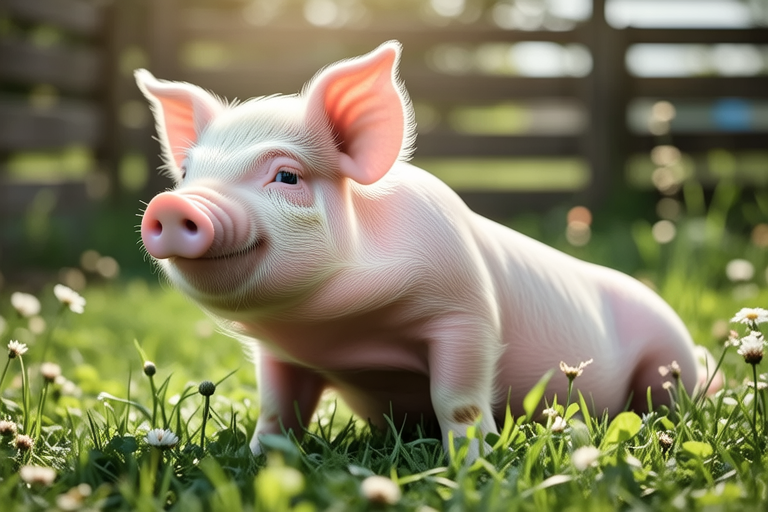
From Farm to Furry Friend: Transforming Mini Pigs into Perfect Pets
Welcome to the world of mini pigs! These charming creatures, once solely farm animals, have now become increasingly popular as household pets. Mini pigs are known for their intelligence, loyalty, and unique appearance, making them a fascinating addition to many families. This article will explore the journey of mini pigs from farms to homes, their care, and the joys of owning these delightful animals.
The Unique Characteristics of Mini Pigs
Mini pigs, also known as teacup pigs or micro pigs, are a breed of domestic pig that has been selectively bred to be smaller than standard pigs. They typically weigh between 50 to 70 pounds, though some can grow up to 120 pounds. Their small size makes them more manageable for apartment living and urban environments, which sets them apart from larger farm animals. Despite their diminutive stature, mini pigs are incredibly intelligent and trainable, often responding well to basic commands and tricks.
Mini pigs possess a curious nature and a strong desire to explore their surroundings. They are social animals that thrive in the company of humans and other animals, making them excellent companions. Unlike dogs or cats, mini pigs do not require daily walks but enjoy being part of family activities, such as playing games or simply lounging around the house. Their gentle demeanor and affectionate behavior make them beloved pets among those who have had the pleasure of owning one.
The History and Origin of Mini Pigs
The history of mini pigs dates back several centuries. In the early 20th century, farmers in China began breeding smaller pigs for meat production, leading to the development of the modern mini pig. These pigs were then introduced to other countries, including the United States, where they became popular as exotic pets. Over time, breeders refined the selection process, focusing on producing even smaller pigs with desirable traits like docile temperaments and minimal maintenance needs.
Initially, mini pigs were primarily kept on farms for agricultural purposes. However, as people began to recognize their unique qualities, they started adopting them as companion animals. The shift from farm to home occurred gradually, driven by increased awareness and demand for alternative pet options. Today, mini pigs are widely accepted as pets in many parts of the world, although regulations vary depending on location.
Proper Care, Feeding, and Living Space Requirements
Owning a mini pig requires commitment and responsibility. Proper care includes providing a safe environment, regular veterinary check-ups, and appropriate nutrition. Mini pigs need a spacious living area that allows them to move freely and express natural behaviors. A secure outdoor pen with shade, shelter, and enrichment items like toys or tunnels is ideal. Indoor accommodations should include a comfortable bed, food and water bowls, and ample space to roam.
Feeding mini pigs a balanced diet is crucial for their health and longevity. Their diet should consist of high-quality pig-specific feed formulated with the right balance of nutrients. Fresh fruits, vegetables, and occasional treats can supplement their main diet but should be given in moderation to prevent obesity. Avoid feeding them foods harmful to pigs, such as chocolate, avocados, or salty snacks.
Common Misconceptions About Mini Pig Ownership
One common misconception about mini pigs is that they remain small throughout their lives. While they start off tiny, mini pigs can grow significantly within the first year. Another myth is that they are low-maintenance pets. In reality, caring for a mini pig involves regular grooming, cleaning, and attention to their physical and emotional needs. Additionally, some believe that mini pigs are solitary animals, but they are actually quite social and thrive in the company of others.
To address these misconceptions, let’s hear from some real-life owners:
“When we first adopted our mini pig, Lily, we were under the impression that she would stay small forever. We quickly learned that she needed plenty of space and exercise to maintain her health. It was a rewarding experience to watch her grow into a confident and loving member of our family.”
Tips for Potential Owners Considering Adopting a Mini Pig
If you’re thinking about bringing a mini pig into your life, here are some essential tips:
- Research local laws and regulations: Some areas have restrictions on keeping mini pigs as pets. Make sure to familiarize yourself with any relevant rules before adopting.
- Prepare adequately: Ensure you have enough space, resources, and knowledge to care for a mini pig properly. Consider enrolling in a training class or consulting with experienced owners.
- Adopt rather than purchase: Many shelters and rescue organizations offer mini pigs for adoption. By choosing adoption, you help reduce overcrowding and provide a loving home to a deserving animal.
- Expect long-term commitment: Mini pigs can live up to 15 years, so be prepared for a significant investment of time and effort.
While mini pigs may require more effort than other pets, the rewards far outweigh the challenges. Their intelligence, loyalty, and unique personalities make them wonderful companions. With proper care and attention, mini pigs can bring immense joy and fulfillment to their human families.
Conclusion
Mini pigs have come a long way from their origins on farms to becoming cherished household pets. Their intelligence, affectionate nature, and adaptability make them perfect candidates for families looking for a unique and rewarding pet experience. By understanding their specific needs and preparing adequately, potential owners can ensure a happy and healthy life for their new furry friend. Embrace the adventure of raising a mini pig, and prepare to be amazed by the bond you’ll form with this extraordinary animal.
