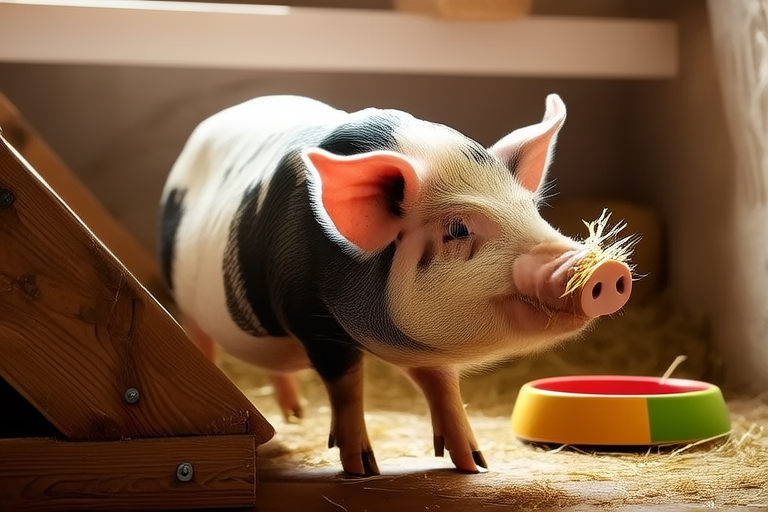
How to Create the Ultimate Habitat for Your Happy Guinea Pig
Welcome to the wonderful world of guinea pig ownership! These adorable creatures are not just pets; they are delightful companions that require careful attention to ensure their health and happiness. Creating the perfect habitat for your guinea pig is crucial for their well-being. This guide will walk you through the essentials of building an ideal environment, including cage size, bedding, toys, lighting, temperature, diet, and hygiene.
Selecting the Right Cage Size
The first step in creating the ultimate habitat for your guinea pig is choosing the right cage. Guinea pigs need ample space to move around, play, and stretch their legs. A cage that is too small can lead to stress and health issues. The minimum recommended size for a single guinea pig is approximately 7.5 square feet (about 2.3 meters by 3 meters). If you have more than one guinea pig, increase the size accordingly. Remember, bigger is always better when it comes to cages. Ensure the cage has a solid floor to prevent injuries from wire flooring.
Essential Bedding Materials
The bedding material you choose plays a significant role in your guinea pig’s comfort and hygiene. Opt for soft, absorbent, and dust-free bedding. Paper-based bedding or recycled paper products are excellent choices as they are easy to clean and maintain. Avoid wood shavings, cedar, and pine shavings, as they can irritate your guinea pig’s respiratory system and cause allergies. Regularly changing the bedding is essential to keep the living area clean and odor-free. Aim to change the bedding at least once a week, or more frequently if necessary.
Appropriate Toys and Accessories
Toys and accessories are vital for keeping your guinea pig mentally and physically stimulated. Providing a variety of toys encourages exploration and play. Tunnel systems, chew toys, and hideouts are popular choices. Guinea pigs enjoy chewing, so offering safe, non-toxic wooden chews or hay balls can help keep their teeth trimmed and provide entertainment. Additionally, consider adding ramps, platforms, and tunnels to create different levels within the cage, enhancing their environment and promoting physical activity.
Proper Lighting and Temperature Control
Lighting and temperature control are critical aspects of your guinea pig’s habitat. Guinea pigs are crepuscular animals, meaning they are most active during dawn and dusk. They thrive in environments with consistent light exposure. Place their cage in a location where they receive natural daylight but avoid direct sunlight, which can overheat the cage. Maintain a stable room temperature between 65°F and 75°F (18°C to 24°C). Use a thermometer to monitor the temperature and ensure it remains within this range. Avoid placing the cage near drafts, air conditioners, or heaters.
Dietary Needs
Guinea pigs have specific dietary requirements to stay healthy. Their diet should consist of hay, fresh vegetables, and pellets. Timothy hay is the best choice as it aids digestion and keeps their teeth in good condition. Offer a constant supply of fresh water, either via a sipper bottle or a water dish. Fresh vegetables, such as kale, spinach, and bell peppers, should be provided daily in moderation. Avoid feeding them foods high in sugar or starch, like fruits, in excess. Always introduce new foods gradually to prevent digestive upset.
Hygiene Maintenance
Maintaining a clean living environment is key to preventing illness and promoting overall health. Clean the cage regularly, removing soiled bedding and waste. Spot cleaning daily and performing a thorough cleaning weekly helps keep the cage fresh. Use pet-safe cleaners and avoid harsh chemicals that could be harmful to your guinea pig. Additionally, grooming your guinea pig is important. Brush their coat regularly to remove loose hair and prevent matting. Trim their nails every few weeks to prevent overgrowth.
Regular Exercise and Mental Stimulation
Exercise and mental stimulation are crucial for your guinea pig’s well-being. Encourage physical activity by providing ample space within the cage and allowing supervised time outside the cage in a safe, enclosed area. Guinea pigs love exploring, so set up obstacle courses or tunnels for them to navigate. Mental stimulation can be achieved through interactive toys, puzzles, and games. Rotate toys periodically to keep things interesting and engaging. Regular interaction with you also provides mental stimulation and strengthens the bond between you and your pet.
Tips for Safe and Enriching Environments
Creating a safe and enriching environment involves several considerations. First, ensure all areas are free from hazards, such as exposed wires or small objects that could be swallowed. Second, provide hiding spots and areas for your guinea pig to retreat when feeling overwhelmed. Third, establish a routine for feeding, cleaning, and playtime to create a sense of security. Finally, pay attention to signs of distress or discomfort, and adjust the environment accordingly.
In conclusion, crafting the ultimate habitat for your guinea pig requires attention to detail and commitment to their well-being. By selecting the right cage size, providing suitable bedding, offering appropriate toys and accessories, maintaining proper lighting and temperature, ensuring a balanced diet, and prioritizing hygiene and enrichment, you can create a thriving environment for your beloved pet. With these guidelines, you’ll be well on your way to fostering a healthy and joyful life for your guinea pig.
