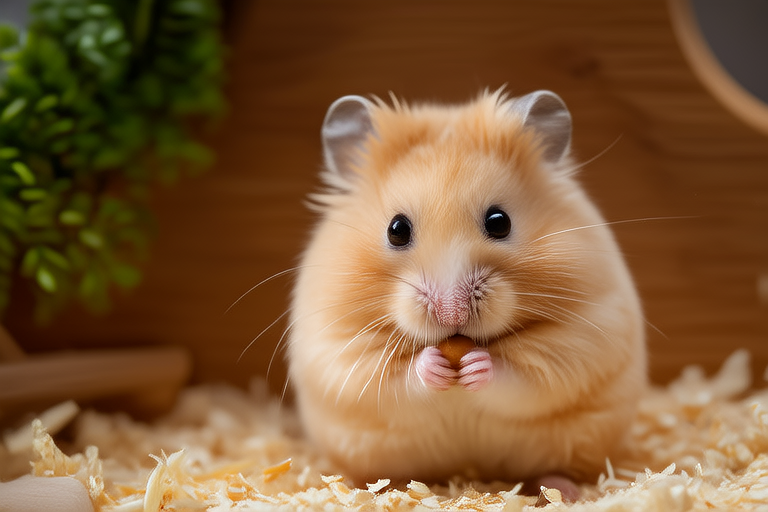
From Cage to Heart: The Ultimate Guide to Owning a Roborovski Hamster
Introduction: Discovering the Unique Traits of Roborovski Hamsters
Welcome to the world of Roborovski hamsters! These tiny, energetic creatures are among the smallest hamster species, making them popular pets for both first-time and experienced owners. With their distinctive sandy coloration and quick, darting movements, Roborovskis offer a delightful companionship. Known for their cleanliness, they are less likely to develop wet tail, a common ailment in other hamster species. Their small size means they require less space, yet they still demand careful attention to ensure they thrive in their new home.
Roborovski hamsters are highly active and curious, which makes them fascinating to watch. They are also very social, though they can be more independent than other hamster breeds. Understanding these unique traits is crucial to providing the best care for your new pet. This guide will walk you through everything from setting up the perfect habitat to ensuring your Roborovski stays healthy and happy.
Choosing the Right Cage and Accessories
The first step in creating a suitable environment for your Roborovski hamster is selecting the right cage. While they are smaller than other hamster species, Roborovskis still need ample space to explore and exercise. A cage with a minimum floor area of 30x45cm (12×18 inches) is recommended. Opt for a cage made of durable materials like metal or plastic that can withstand their constant digging and chewing.
Wire cages are popular due to their ventilation, but make sure the spacing between the bars is no wider than 1 cm to prevent escape. Additionally, choose a cage with multiple levels to provide vertical space for climbing and exploring. Roborovskis love to climb, so incorporating ramps and bridges can enhance their environment.
Accessories such as chew toys, tunnels, and exercise wheels are essential. Roborovski hamsters are notorious for their love of running, so a wheel with a diameter of at least 6 inches is a must. Look for solid-surface wheels to prevent injuries. Provide plenty of nesting material like shredded paper or soft hay to create cozy sleeping areas. Avoid cedar or pine shavings, as they can cause respiratory issues.
Dietary Needs and Feeding Tips
Feeding your Roborovski hamster a balanced diet is key to maintaining its health. Their diet should consist primarily of high-quality hamster pellets designed for small rodents. These pellets provide essential nutrients, including proteins, fats, vitamins, and minerals. Supplement the pellets with fresh vegetables like carrots, broccoli, and leafy greens. Offer fruits sparingly due to their sugar content. Always wash and dry vegetables thoroughly before feeding.
Avoid giving your hamster foods that are harmful to their health, such as chocolate, caffeine, citrus fruits, and raw beans. Fresh water should always be available, either through a sipper bottle or a shallow dish. Change the water daily to prevent bacterial growth. Consider using a gravity-fed water bottle to keep the water supply constant.
Feed your hamster in the evening when they are most active. Scatter feed some of their pellets around the cage to encourage natural foraging behavior. This mimics their wild feeding habits and provides mental stimulation. Remove any uneaten food after a few hours to maintain hygiene.
Exercise and Playtime Essentials
Roborovski hamsters are incredibly active and need regular exercise to stay healthy. In addition to the running wheel, provide opportunities for supervised out-of-cage playtime. Create a safe play area by covering the floor with a thick layer of towels or blankets to cushion falls. Use baby gates or cardboard boxes to block off dangerous areas like open windows or electrical outlets.
During playtime, offer interactive toys like puzzle feeders or tunnels to stimulate their minds. Rotate toys periodically to keep them engaged. Supervised play sessions should last about 15-20 minutes per day. Be cautious during handling, as Roborovskis are delicate and can become stressed easily. Gently scoop them up using both hands to support their body weight.
Encourage exploration by creating an obstacle course within the cage. Use tunnels, tubes, and platforms to create a stimulating environment. Regular exercise helps prevent obesity and promotes overall well-being. Monitor your hamster’s activity level and adjust the amount of time spent outside the cage accordingly.
Grooming and Health Care
Roborovski hamsters are self-grooming animals, but occasional assistance may be necessary. Check their fur regularly for signs of matting or parasites. Gently brush their coat with a soft-bristled brush if needed. Pay special attention to their ears and paws, as dirt can accumulate in these areas.
Maintain good hygiene by cleaning the cage weekly. Remove all bedding and scrub the cage with warm, soapy water. Rinse thoroughly and allow it to air dry before adding fresh bedding. Replace the toys and accessories to prevent the buildup of bacteria.
Regular veterinary check-ups are important for early detection of health issues. Signs of illness include lethargy, loss of appetite, runny nose, or diarrhea. If you notice any of these symptoms, consult a veterinarian specializing in exotic pets immediately. Common health concerns include dental problems, respiratory infections, and tumors. Providing a balanced diet and clean living conditions can help prevent many of these issues.
Common Behaviors Explained
Understanding your Roborovski hamster’s behaviors can help you better care for them. One common behavior is hoarding food. Roborovskis will stash treats in various corners of the cage. While this is normal, ensure there are no moldy or spoiled items in their stash. Another behavior is digging; they will dig in their bedding to create tunnels and nests.
Sleeping patterns are another important aspect. Roborovskis are crepuscular, meaning they are most active during dawn and dusk. They sleep for short periods throughout the day and night. Respect their sleep schedule by minimizing disturbances during these times.
Aggression can sometimes occur, especially when two hamsters are introduced too quickly. Introduce new hamsters gradually in a neutral environment under supervision. Signs of aggression include hissing, biting, and chasing. If aggression persists, separate the hamsters to avoid injury.
Tips for Bonding and Training
Bonding with your Roborovski hamster takes time and patience. Start by placing your hand inside the cage to let them get used to your scent. Gradually increase the time you spend near the cage. Once they feel comfortable, begin gentle handling sessions. Hold them gently with both hands, supporting their body weight.
Training can be fun and rewarding. Teach basic commands like coming when called or sitting on your shoulder. Use positive reinforcement techniques, offering treats as rewards for desired behaviors. Consistency is key in training. Be patient and persistent, and your hamster will learn to trust and respond to you.
Spending quality time together strengthens the bond. Engage in activities like playing fetch or building obstacle courses. Tailor your interactions to suit your hamster’s personality and preferences. Every hamster is unique, so adapt your approach accordingly.
Frequently Asked Questions
- How long do Roborovski hamsters live?
- Roborovski hamsters typically live 2-3 years, though some may live longer with proper care.
- Can I keep multiple Roborovski hamsters together?
- It is possible to keep Roborovski hamsters together, but introduce them gradually in a neutral environment under supervision. Monitor their interactions closely for signs of aggression.
- What should I do if my hamster bites me?
- If your hamster bites, it could be due to fear, stress, or pain. Handle them gently and avoid sudden movements. If the biting continues, consult a veterinarian.
- Do Roborovski hamsters need baths?
- No, Roborovski hamsters are naturally clean and do not require baths. Frequent bathing can strip their skin of essential oils and cause health issues.
- How often should I clean the cage?
- Clean the cage weekly, removing all bedding and thoroughly washing the cage. Replace the bedding and toys to maintain hygiene.
