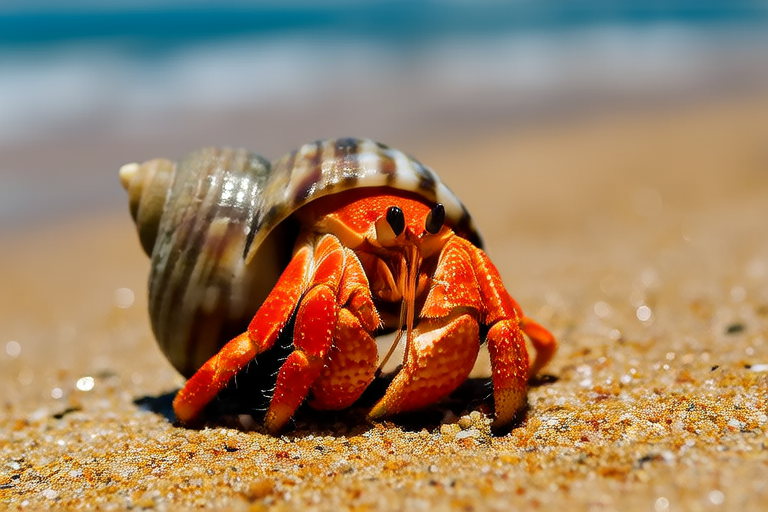
Hermit Crabs: The Ultimate Guide to Keeping These Shy Shells Happy
Welcome to the world of hermit crabs! These fascinating creatures are not only intriguing due to their unique shell-changing behavior but also because of their shy, gentle nature. Hermit crabs are decapod crustaceans that have adapted to live inside discarded mollusk shells. Their name comes from the Greek word ‘erimites,’ meaning ‘solitary,’ reflecting their solitary lifestyle outside the shell. In this comprehensive guide, we will explore how to provide a happy and healthy home for these charming creatures.
The Unique Shell-Changing Behavior
One of the most remarkable aspects of hermit crabs is their ability to change shells when they outgrow their current one or find a more suitable option. This process showcases their adaptability and resourcefulness. To ensure your hermit crabs can comfortably switch shells, it’s crucial to provide a variety of sizes and shapes within their enclosure.
A Tank Setup That Mimics Their Natural Habitat
Creating a comfortable environment for hermit crabs involves mimicking their natural habitat. Start with a spacious tank; ideally, each crab should have at least 3 square feet of space. The substrate should be deep enough for burrowing, typically around 4 inches. A mix of sand and coconut fiber works well, offering both comfort and humidity retention.
In addition to the substrate, include shallow water dishes for drinking and soaking. Ensure these dishes are large enough for the crabs to submerge themselves entirely. Decorations like driftwood, rocks, and small caves provide hiding spots and enrichment, stimulating their natural behaviors.
Temperature and Humidity Control
Maintaining the right temperature and humidity levels is vital for hermit crabs’ health. Ideally, the tank should be kept between 75°F and 85°F (24°C to 29°C). Use a thermometer to monitor temperatures accurately. Humidity should range from 70% to 80%, which can be achieved by misting the tank daily and ensuring proper ventilation.
Diet Plan for Happy Hermit Crabs
Hermit crabs are omnivorous, enjoying a diverse diet that includes fruits, vegetables, proteins, and calcium-rich foods. Offer them a balanced diet consisting of fresh produce like bananas, apples, and leafy greens. Supplement their diet with commercial hermit crab food, which provides essential nutrients. Avoid overfeeding, as leftover food can spoil quickly, leading to mold growth and potential health issues.
To prevent nutritional deficiencies, provide occasional supplements like calcium powder and multivitamins. Ensure that any supplements are specifically formulated for hermit crabs. Common feeding mistakes to avoid include over-supplementing, which can lead to imbalances, and feeding spoiled or inappropriate foods.
Gentle Handling and Health Monitoring
Handling hermit crabs requires gentleness and care. Always support their abdomen and avoid grabbing them by the shell. Regularly check for signs of a healthy crab, such as active movement, clear eyes, and a firm grip. Conversely, watch for indicators of illness, like lethargy, swollen limbs, or abnormal exoskeleton coloration.
Enriching Their Environment Through Maintenance
To keep hermit crabs thriving, perform regular tank maintenance. Clean the substrate every few weeks, replacing it if necessary, and ensure all equipment functions correctly. Providing ample hiding spots and shells for molting is crucial. Molting is a natural process where hermit crabs shed their exoskeleton and grow a new one. During this time, they need privacy and a soft, moist substrate to aid in the process.
Conclusion
Hermit crabs are delightful pets that bring joy and wonder to their owners. By understanding their unique needs and creating a nurturing environment, you can ensure your hermit crabs lead long, healthy lives. Whether you’re a beginner or an experienced owner, following these guidelines will help you provide the best possible care for these shy, shell-dwelling creatures.
