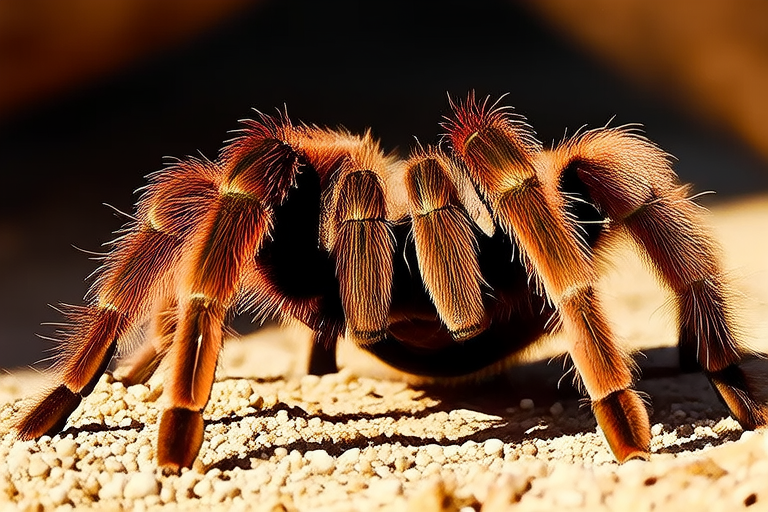
Adventures in Arachnophilia: Why the Chilean Rose Tarantula is Becoming the Pet World’s Darling
In the world of exotic pets, few creatures have captured the hearts of enthusiasts quite like the tarantula. Among the myriad species, the Chilean Rose tarantula stands out as a favorite, offering a unique blend of manageable size, docile nature, and vibrant coloration. This article delves into why the Chilean Rose tarantula is becoming the pet world’s darling, exploring its care requirements, the growing trend of arachnophilia, and the reasons behind it.
The Unique Appeal of Tarantulas as Pets
Tarantulas, with their eight legs and hairy bodies, might seem intimidating at first glance, but they are far from the aggressive, venomous creatures often portrayed in movies. The Chilean Rose tarantula, scientifically known as Grammostola rosea, is particularly appealing due to its manageable size, averaging around 4 to 6 inches in leg span, and its relatively docile temperament. These factors make it an ideal choice for those new to the world of exotic pets.
What sets the Chilean Rose apart is its stunning appearance. Its body is adorned with a rosy hue that intensifies as it matures, giving it a striking visual appeal. This vibrant coloration, combined with its gentle demeanor, has made it a popular choice among pet enthusiasts.
Ease of Care: Habitat Setup, Diet, and Handling Tips
Caring for a Chilean Rose tarantula is surprisingly straightforward. Their housing needs are minimal, requiring a terrarium with a secure lid to prevent escapes. A substrate of coconut fiber or bark chips provides a natural environment and helps maintain humidity levels, which are crucial for their well-being. Temperature-wise, a range between 75°F to 85°F (24°C to 29°C) is optimal.
Diet is another aspect that makes caring for these tarantulas easy. They are carnivorous, feeding primarily on crickets and other small insects. Feeding them once or twice a week, depending on their size and activity level, is sufficient. It’s important to ensure that the prey items are dusted with calcium and vitamin supplements to support their health.
Handling a Chilean Rose tarantula requires patience and caution. Unlike some other tarantula species, the Chilean Rose does not have a painful bite. However, they can release urticating hairs from their abdomen when threatened, which can cause irritation if they come into contact with skin or eyes. To handle them safely, gently scoop them up using a soft brush or paper towel, minimizing direct contact with your hands.
The Growing Trend of Arachnophilia
The trend of arachnophilia, or the love for spiders, is on the rise. This fascination is driven by several factors, including the educational value and the exotic charm these creatures offer. Many people find tarantulas to be fascinating subjects of study, offering insights into the behavior and biology of these ancient arachnids.
For those interested in learning more about these creatures, there are numerous resources available, ranging from books and online forums to local clubs and societies dedicated to arachnids. These communities provide a wealth of information and support for both novice and experienced pet enthusiasts.
Anecdotes and Testimonials
Lisa, a pet owner from California, shares her experience with her Chilean Rose tarantula, named Rosie. “Rosie has been a delightful addition to our family,” she says. “She’s so docile and beautiful. I love watching her interact with her environment and seeing her grow. It’s been an enriching experience, and I would highly recommend her to anyone looking for a low-maintenance, fascinating pet.”
Another enthusiast, John from New York, echoes similar sentiments. “What I love most about my Chilean Rose is how peaceful and calming she is. She requires very little attention, yet she brings so much joy. It’s a wonderful feeling to know that you’re providing a comfortable home for such an amazing creature.”
Addressing Common Misconceptions
One of the most common misconceptions about tarantulas is that they are dangerous. While all tarantulas possess venom, the venom of the Chilean Rose is mild and poses no significant threat to humans. Another misconception is that tarantulas require extensive care. In reality, they are relatively low-maintenance pets, making them suitable for busy individuals or those with limited space.
It’s also worth noting that tarantulas are solitary creatures, preferring to live alone. This means that while they may not be the type of pet you can cuddle or play with, they offer a unique companionship through their intriguing behaviors and interactions with their environment.
Conclusion
The Chilean Rose tarantula is more than just a pet; it’s a window into a fascinating world of exotic creatures. With its manageable size, docile nature, and vibrant coloration, it offers an unparalleled opportunity for both novice and experienced pet enthusiasts to explore the wonders of arachnology. By dispelling common misconceptions and highlighting the joys of owning one, we hope to encourage more people to consider this incredible pet.
Whether you’re drawn to the educational value, the exotic charm, or simply the unique companionship they offer, the Chilean Rose tarantula is sure to captivate and inspire. So, why not take the plunge and embark on your own adventures in arachnophilia?
