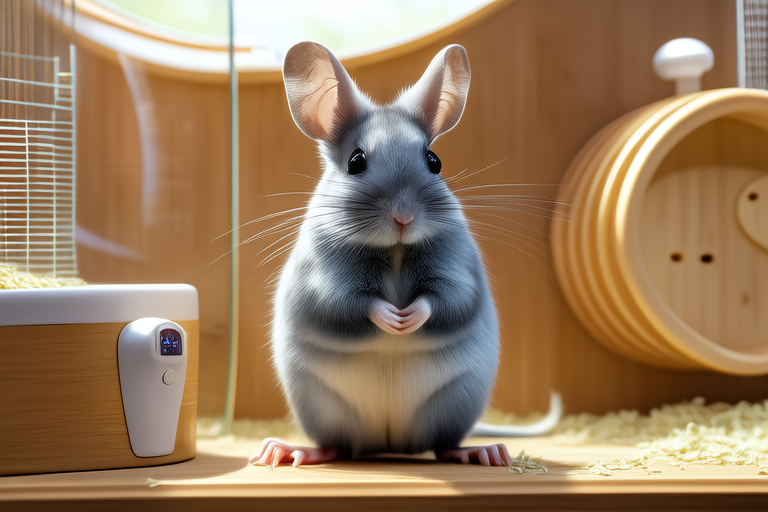
Top 10 Myths Debunked About Living with Chinchillas as Pets
Welcome to the fascinating world of chinchillas! These adorable, furry creatures have become increasingly popular as pets over the years. Known for their soft, plush coats and playful antics, chinchillas are not just another pet; they are unique companions that offer endless joy and entertainment. Their natural habitat in the Andes Mountains has shaped them into animals that are both resilient and curious, making them ideal for those looking for something different from traditional pets like cats or dogs.
Myth 1: Chinchillas Require Minimal Attention
One of the most common misconceptions about chinchillas is that they are low-maintenance pets. While it’s true that they are generally quiet and independent, they still require attention and care. Chinchillas need daily interaction to stay mentally stimulated and happy. They thrive on routine and can become depressed if neglected. Spending time playing with your chinchilla or simply allowing them to explore safe areas of your home can significantly enhance their well-being.
Myth 2: Chinchillas Are Easy to Handle
Another myth is that chinchillas are easy to handle. In reality, these small creatures are quite delicate and can easily be injured if handled roughly. They are naturally skittish and may struggle when held, which can lead to injuries such as broken bones. It’s important to approach them calmly and gently, offering treats to encourage positive interactions. Always support their bodies when holding them and never pick them up by their tails.
Myth 3: Chinchillas Can Be Kept in Small Cages
Many people believe that chinchillas can be housed in small cages, but this is far from true. Chinchillas are active animals that require ample space to move around and exercise. A cage that is too small can lead to behavioral issues and health problems. The minimum size for a single chinchilla is 24 inches wide, 24 inches deep, and 24 inches high, but larger is always better. Providing platforms, tunnels, and toys within the cage encourages physical activity and mental stimulation.
Myth 4: Chinchillas Don’t Need Dust Baths
Dust baths are essential for chinchillas’ health and well-being. Contrary to the belief that they don’t need dust baths, chinchillas rely on these baths to clean their thick fur and maintain healthy skin. Bathing helps prevent skin conditions and keeps their coat soft and shiny. However, it’s important to provide the correct type of dust (such as chinchilla dust) and limit bath times to 10-15 minutes to avoid respiratory issues.
Myth 5: Chinchillas Can Eat Any Type of Food
Chinchillas have very specific dietary needs, and feeding them anything other than their specialized pellets can lead to health problems. While they enjoy fresh hay and occasional treats like raisins or dried rose hips, their primary diet should consist of high-quality chinchilla pellets. Avoid sugary treats or foods high in fat, as these can cause digestive issues and obesity.
Myth 6: Chinchillas Are Noisy Pets
Chinchillas are known for being relatively quiet pets, which makes them perfect for apartment living. Unlike some other small animals, they don’t chatter or make loud noises. Instead, they communicate through body language and subtle sounds. This quiet nature can be a relief for those who want a pet without the noise associated with barking dogs or squawking parrots.
Myth 7: Chinchillas Can Be Potty-Trained
Despite the myth that chinchillas can be potty-trained, they do not possess the same level of control as some other animals. They will usually relieve themselves in one corner of their cage, but it’s not practical to train them to use a litter box. Regular cleaning of their living area and providing a designated spot for waste will help manage any mess.
Myth 8: Chinchillas Can Live Alone
Chinchillas are social animals and do best when kept in pairs or small groups. Keeping a single chinchilla can lead to loneliness and stress, which can negatively impact their health and happiness. If you’re considering adopting a chinchilla, think about getting two to ensure they have company and companionship.
Myth 9: Chinchillas Are Low-Cost Pets
While the initial cost of purchasing a chinchilla might seem reasonable, the ongoing expenses can add up. Proper care includes a suitable cage, high-quality food, regular veterinary check-ups, and enrichment items. Additionally, chinchillas live for 10-20 years, so the long-term commitment involves continuous investment in their well-being.
Myth 10: Chinchillas Don’t Need Veterinary Care
Like any pet, chinchillas require regular veterinary care. Many owners mistakenly believe that these animals are self-sufficient and don’t need professional attention. However, regular check-ups can help catch potential health issues early and ensure your chinchilla remains healthy throughout its life. Look for a veterinarian experienced with exotic pets to provide the best care for your chinchilla.
Tips for Proper Care, Housing, Diet, and Handling
- Housing: Provide a spacious, secure cage with plenty of room for movement and play. Include platforms, tunnels, and toys to keep your chinchilla entertained.
- Diet: Feed high-quality chinchilla pellets along with fresh hay. Limit treats to avoid health issues.
- Handling: Approach your chinchilla gently, supporting their body when holding them. Use treats to encourage positive interactions.
- Health: Schedule regular veterinary visits and watch for signs of illness such as lethargy, changes in appetite, or abnormal behavior.
Conclusion
Owning a chinchilla can be a rewarding experience, but it requires understanding and dedication. By debunking these common myths and following proper care guidelines, you can ensure your chinchilla lives a long, healthy, and happy life. For more information, consider joining local chinchilla clubs or online forums where enthusiasts share advice and experiences. Remember, every chinchilla is unique, so take the time to understand your pet’s individual needs and preferences.
Resources for further reading include books such as ‘The Chinchilla Handbook’ by Karen Gendron and articles from reputable animal welfare organizations. These resources provide valuable insights into the care and well-being of chinchillas, helping you become the best possible owner.
