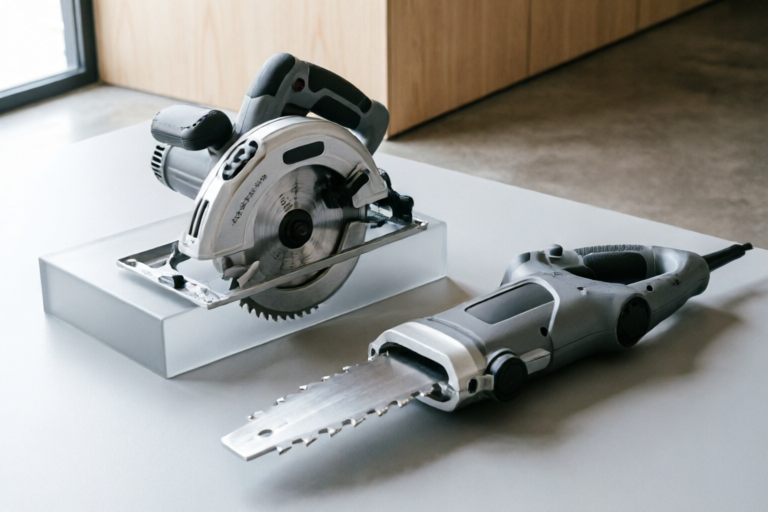
How to Choose the Right Power Saw: A Beginner's Guide
Find the Right Power Saw for Your Projects
Introduction to Power Saws
Welcome to the world of power saws! These powerful tools are essential for anyone involved in woodworking, construction, or DIY projects. Whether you're a seasoned professional or just starting out, choosing the right power saw can make all the difference in the efficiency and safety of your work.
Definition and Types of Power Saws
A power saw is a mechanical device that uses a rotating blade or cutting edge to cut various materials such as wood, metal, and plastic. There are several types of power saws, each designed for specific tasks:
- Circular saws: Ideal for making straight cuts in wood, metal, and plastic.
- Jigsaws: Best for intricate curves and detailed work.
- Miter saws: Perfect for precise angle cuts in wood.
- Reciprocating saws: Excellent for demolition and rough cuts.
Importance of Selecting the Right Tool for Your Needs
Selecting the appropriate power saw is crucial because it directly impacts the quality of your work and your safety. The wrong tool could lead to inefficient cuts, wasted materials, and even accidents. By understanding your project requirements and choosing the right saw, you can ensure smooth operations and better results.
Understanding Different Types of Power Saws
Let's dive deeper into the most common types of power saws and their specific applications.
Circular Saws
What they do: Circular saws are versatile tools that can cut through wood, metal, and plastic. They are particularly useful for making straight cuts, whether you're working with large sheets of plywood or cutting lumber to size.
Key Features:
- Rotating circular blade
- Adjustable depth settings
- Base plate for guiding straight cuts
Jigsaws
What they do: Jigsaws are ideal for cutting intricate curves and detailed patterns. They excel at cutting shapes and designs that require precision and flexibility.
Key Features:
- Up-and-down reciprocating motion
- Variable speed control
- Replaceable blades for different materials
Miter Saws
What they do: Miter saws are designed for making precise angle cuts, especially when working with wood. They are commonly used for cutting moldings, picture frames, and other decorative trim pieces.
Key Features:
- Adjustable arm for setting angles
- Retractable blade guard
- Clamping mechanism for holding workpieces securely
Reciprocating Saws
What they do: Reciprocating saws are powerful tools used for demolition work and making rough cuts. They are excellent for removing nails, cutting pipes, and breaking down materials.
Key Features:
- Back-and-forth motion of the blade
- Detachable blades for various materials
- Variable speed settings
Key Features to Consider When Buying a Power Saw
When shopping for a power saw, there are several important factors to consider to ensure you get the best tool for your needs.
Blade Size and Type Compatibility
The size and type of blade you need depend on the material you'll be cutting and the specific tasks you plan to perform. Circular saws typically use larger blades, while jigsaws require smaller, thinner blades. Always check the compatibility of the blade with your saw model.
Power Source (Corded vs. Cordless)
Corded saws offer consistent power but are limited by the length of the cord. Cordless saws provide greater mobility but may have lower power output. Decide based on your workspace and the frequency of your projects.
Safety Features
Look for safety features like anti-kickback pawls, blade guards, and dust extraction systems. These can significantly reduce the risk of injury and improve the overall safety of your work environment.
Additional Accessories
Consider any additional accessories that might enhance your experience, such as dust collection systems, laser guides, and carrying cases. These can make your work more efficient and comfortable.
Assessing Your Needs and Budget
Before making a purchase, take some time to assess your specific needs and set a realistic budget.
Identifying Specific Projects and Tasks
List out the projects you intend to undertake and the tasks you expect to perform regularly. This will help you determine which type of saw is most suitable for your needs.
Determining How Often You Will Use the Saw
Consider how frequently you'll be using the saw. If you're only going to use it occasionally, a more affordable option might suffice. However, if you plan to use it regularly, investing in a higher-quality tool could save you money in the long run.
Setting a Realistic Budget Based on Quality and Features
Set a budget that reflects both your needs and your financial situation. Remember that higher-end models often come with better features and durability, but they also come at a higher price. Balance quality and cost to find the best value for your investment.
Tips for Maintaining and Operating Your Power Saw Safely
Proper maintenance and safe operating practices are essential to getting the most out of your power saw and ensuring your safety.
Proper Setup and Storage Practices
Always follow manufacturer guidelines for setting up and storing your saw. Keep the saw clean and dry, and store it in a secure location away from children and pets.
Regular Maintenance Checks
Regularly check the blade for sharpness and replace it if necessary. Ensure that all moving parts are properly lubricated and that safety features are functioning correctly.
Essential Safety Precautions
Wear appropriate personal protective equipment (PPE) such as safety glasses, ear protection, and gloves. Always use a stable work surface and avoid wearing loose clothing or jewelry that could get caught in the blade.
Conclusion and Final Recommendations
In conclusion, choosing the right power saw involves careful consideration of your specific needs, budget, and safety requirements. Take the time to research different models, read reviews, and possibly try out a few options before making your final decision.
We encourage you to visit local hardware stores or rental centers to test out different models firsthand. Additionally, consult resources like online forums, user manuals, and instructional videos for more information on power tools.
Comments

I use this saw every day at work. It's reliable and easy to maintain. Just keep those blades sharp!

The build quality is solid, but make sure you check the reviews for the specific model you're interested in.

Thinking of buying this. Any tips for someone new to power tools?
Don't forget your safety gear. Eye protection and gloves are a must when working with power saws.

Worth it! I've been using this miter saw for months now and it's perfect for my home projects. The price was right too.
I'm torn between a jigsaw and a reciprocating saw. Anyone have experience with both?
Just got my first circular saw, man. It's amazing for cutting through plywood but be careful with the dust. I'd recommend getting a dust collector too.