Top Tools for DIY Beginners
Empower Your DIY Journey with the Right Tools
Top Tools for DIY Beginners
1. Introduction to DIY and Essential Tools
Welcome to the world of Do It Yourself (DIY) projects! Whether you're fixing a leaky faucet, building a bookshelf, or renovating your kitchen, DIY can be both rewarding and cost-effective. Starting with the right tools is crucial for any beginner. Not only do the right tools make your projects easier, but they also ensure safety and precision.
In this guide, we'll explore the essential tools every DIY enthusiast should have. We'll cover both hand tools and power tools, as well as safety gear to protect you while you work. Let's dive in!
2. Basic Hand Tools Every DIYer Should Have
Hammer: Types, Uses, and Tips for Choosing the Right One
A hammer is one of the most fundamental tools in any DIY toolkit. There are several types of hammers, each designed for specific tasks:
- Claw Hammer: The classic choice for driving nails and pulling them out. It has a curved claw on one end for prying.
- Ball Peen Hammer: Used for shaping metal and riveting. It has a rounded end instead of a claw.
- Dead Blow Hammer: Designed to deliver a soft impact without bouncing back. Ideal for tightening bolts and knocking things into place.
When choosing a hammer, consider the weight and grip. A heavier hammer is better for larger projects, while a lighter one is more comfortable for smaller tasks.
Screwdrivers: Different Types and Their Applications
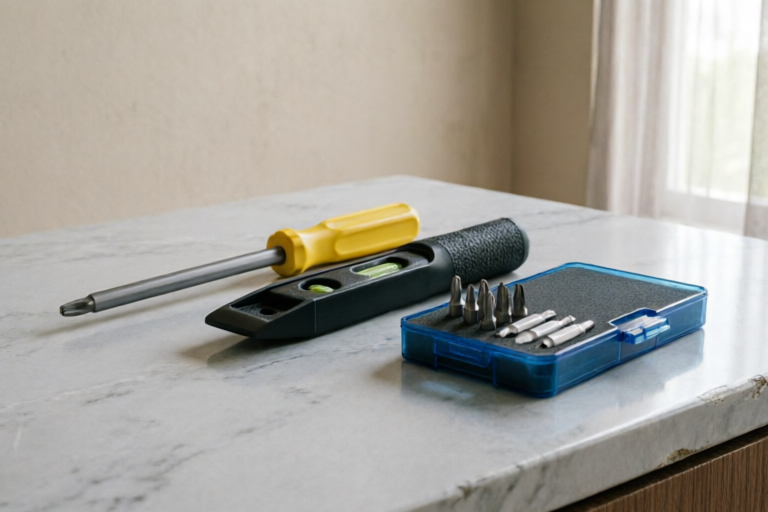
Screwdrivers come in various sizes and shapes, each designed for specific screw heads:
- Flathead (Slotted): For flat-head screws. These are the most common type and are used in many household projects.
- Pozidriv: Similar to Phillips, but with a cross-shaped tip that provides more torque and reduces cam-out.
- Torx: Used for star-shaped screws, often found in electronics and car parts.
Always choose the correct size and type of screwdriver for the job to avoid stripping the screw head.
Pliers: Adjustable vs. Slip-Joint, and How They Are Used
Pliers are versatile tools that come in different forms:
- Slip-Joint Pliers: These have a fixed jaw and an adjustable opening. They're great for gripping and turning nuts and bolts.
- Adjustable Wrench: Allows you to adjust the width of the jaws to fit different-sized nuts and bolts.
- Dikes (Diagonal Cutters): Used for cutting wires and trimming small pieces of metal.
Slip-joint pliers are ideal for general-purpose work, while adjustable wrenches are better for specific sizes.
3. Power Tools for Enhanced DIY Projects
Drill: Cordless vs. Corded, and Basic Techniques
Drills are indispensable for drilling holes and driving screws. Here’s what you need to know:
- Cordless Drills: Lightweight and portable, making them perfect for working in tight spaces. They run on batteries and are easy to recharge.
- Corded Drills: More powerful than cordless models, but less portable due to the need for a power outlet.
To use a drill effectively, always wear eye protection and secure the material you're working on. Start slow and gradually increase speed as needed.
Jigsaw: Uses and Safety Precautions
A jigsaw is a versatile tool for cutting curves and intricate shapes in wood, plastic, and metal. Here are some key points:
- Blades: Choose the right blade for the material you're cutting. Wood requires a coarse-toothed blade, while metal needs a fine-toothed blade.
- Speed: Adjust the speed based on the material. Faster speeds are better for softer materials like wood, while slower speeds are better for harder materials like metal.
Always wear safety goggles and a dust mask when using a jigsaw. Keep the blade away from your body and avoid applying too much pressure.
Circular Saw: Ideal for Cutting Wood and Other Materials
A circular saw is excellent for cutting wood, plywood, and even metal. Here’s how to use it safely:
- Blade: Select the appropriate blade for the material. Use a fine-toothed blade for clean cuts in wood and a coarse-toothed blade for rough cuts.
- Guide: Use a straight edge or guide to keep your cuts precise.
Wear safety gear, including goggles and ear protection, when operating a circular saw. Always cut away from yourself and ensure the surface is stable.
4. Measuring and Marking Tools for Precision
Tape Measure: How to Use It Accurately
A tape measure is essential for accurate measurements. Follow these tips:
- Extend the tape fully to avoid errors.
- Use a sharp pencil to mark measurements clearly.
- Double-check all measurements before cutting.
Levels: Spirit Level vs. Laser Level, and When to Use Each
Levels help ensure surfaces are perfectly horizontal or vertical:
- Spirit Level: The traditional bubble level. It’s useful for quick checks and small projects.
- Laser Level: Provides a precise line of sight. Ideal for large-scale projects where accuracy is critical.
Chalk Line: Perfect for Marking Straight Lines
A chalk line is great for marking long, straight lines:
- Stretch the line taut and snap it to create a clean, straight line.
- Use it for laying out tiles, flooring, or painting straight lines.
5. Safety Gear for DIY Beginners
Eye Protection: Importance of Goggles and Safety Glasses
Eyes are vulnerable during DIY projects. Protect them with:
- Goggles: Provide full coverage and are best for dusty or debris-heavy projects.
- Safety Glasses: Offer protection against flying particles but may not cover as much area as goggles.
Respirators: When and How to Use Them
Respirators are crucial for projects involving dust, fumes, or chemicals:
- Disposable Masks: Suitable for light-duty tasks.
- Reusable Masks: Ideal for longer projects and better filtration.
Gloves: Different Types and Their Purposes
Gloves protect your hands from cuts, burns, and chemicals:
- Cut-Resistant Gloves: Best for handling sharp objects.
- Heat-Resistant Gloves: Protect against high temperatures.
- Chemical-Resistant Gloves: Prevent skin contact with harmful substances.
6. Conclusion and Final Tips for DIY Beginners
In conclusion, having the right tools can make all the difference in your DIY projects. From basic hand tools to power tools and safety gear, each item serves a specific purpose. Remember to start small and practice regularly. Don’t hesitate to consult online tutorials or local workshops for additional guidance.
For further learning, check out websites like Family Handyman and This Old House. These resources offer step-by-step guides and expert advice to help you grow as a DIY enthusiast.
Comments

Circular saw is great for cutting wood, but be careful with it. It's powerful stuff.

Worth it!

Chalk line is perfect for marking straight lines on walls. So much easier than trying to eyeball it!

Eye protection is a must. Got some safety glasses and they've saved me a few times already.

Looking at these tools, wondering if I should go for the cheaper options or invest in better quality. Any advice?
I've been using a cordless drill for a while now, and it's made so many tasks easier. Highly recommend getting one if you're into DIY.

Just got my first hammer and screwdriver set from this list. Feels good to have the basics!