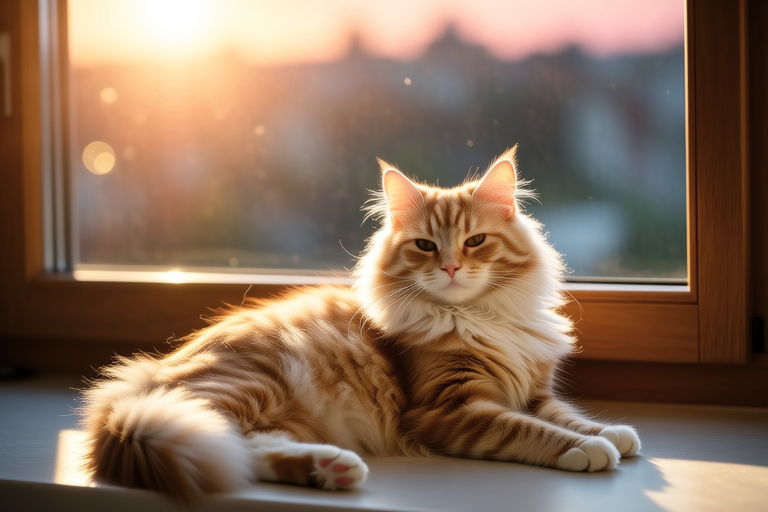
From Sunsets to Snuggles: Why Orange Cats Steal Our Hearts
Welcome to a heartwarming journey into the world of orange cats, those delightful feline companions that have captured the hearts of many pet lovers around the globe. With their striking coats and charming personalities, orange cats are more than just pets; they are cherished members of families, providing endless joy and companionship. This article delves into the reasons why these vibrant creatures are so beloved, exploring their unique traits, behaviors, and the special bonds they form with their human counterparts.
The Popularity of Orange Cats
Orange cats, often referred to as ginger or marmalade cats, have long been a favorite among cat enthusiasts. Their distinctive coloration makes them stand out from other feline breeds, but it’s not just their appearance that draws people in. These cats are known for their friendly and sociable personalities, making them perfect companions for individuals and families alike. Whether lounging in a sunbeam or playing with toys, orange cats bring a unique warmth and charm to any home.
Common Traits of Orange Cats
One of the most appealing aspects of orange cats is their friendly and sociable nature. They are often described as outgoing and affectionate, readily seeking attention from their owners and even strangers. This sociability extends beyond humans; orange cats tend to get along well with other pets, making them ideal additions to multi-pet households. Their playful demeanor ensures that they remain active and engaged, providing hours of entertainment for their owners.
Another notable trait of orange cats is their intelligence. They are quick learners and can be trained to perform simple tricks or follow commands. This intelligence, combined with their curiosity, makes them endlessly fascinating to observe and interact with. Whether it’s figuring out how to open a cabinet door or finding the best spots to nap, orange cats are always thinking and exploring their environment.
Scientific Insights on Orange Cat Behavior
The behavior of orange cats can be partially explained through genetic factors. The gene responsible for orange coloring is located on the X chromosome, which means that males (who have one X and one Y chromosome) are more likely to be orange, while females (who have two X chromosomes) can either be orange or calico (orange mixed with white and black). This genetic predisposition may also influence their behavior, leading to the friendly and sociable tendencies often observed in orange cats.
Research has shown that the hormone testosterone, found predominantly in male cats, plays a significant role in shaping their behavior. Testosterone can enhance aggression and territoriality, but in orange cats, it seems to contribute to their social and affectionate nature. This hormonal influence might explain why orange cats are often seen as the life of the party, always ready to engage with others.
Heartwarming Stories and Anecdotes
Stories abound of the deep bonds formed between owners and their orange cats. One such story comes from Sarah, who adopted a stray orange kitten named Charlie. Initially, Charlie was shy and hesitant, but over time, he blossomed into a loving and affectionate companion. Sarah recounts how Charlie’s presence brightened her days and provided comfort during challenging times. “He has this way of knowing when I need a hug,” she says, “and he’s always there, purring softly and rubbing against my legs.”
Another heartwarming tale involves a family whose orange cat, Max, became the center of their household. Max had a habit of greeting each family member at the door with a gentle nudge and a purr. His loyalty and affection were unwavering, and he quickly became the glue that held the family together. “Max has this incredible ability to make everyone feel loved and appreciated,” says the family’s mother, Jane. “He’s more than just a pet; he’s part of our family.”
Health Considerations for Orange Cats
While orange cats are generally healthy, there are some health considerations that owners should be aware of. One common issue is sensitivity to sunlight, particularly in cats with lighter-colored fur. Excessive exposure to UV rays can lead to skin problems, so it’s important to limit outdoor time during peak sunlight hours. Providing shaded areas and ensuring that indoor environments are well-lit can help mitigate this risk.
Additionally, orange cats may be prone to certain genetic conditions, such as polycystic kidney disease (PKD), which can affect kidney function. Regular veterinary check-ups and early detection are crucial in managing this condition. By staying proactive about their health, owners can ensure that their orange cats live long, happy lives.
Why Orange Cats Make Irreplaceable Companions
Orange cats are irreplaceable companions due to their unique combination of traits and behaviors. Their friendly and sociable nature, coupled with their intelligence and playfulness, makes them delightful companions for both children and adults. Their ability to form strong emotional connections with their owners provides a sense of comfort and security, making them cherished members of the family.
The bond between an owner and their orange cat goes beyond mere companionship; it becomes a source of emotional support and joy. Whether it’s sharing quiet moments together or engaging in playful activities, orange cats enrich the lives of those fortunate enough to have them. Their presence brings warmth and happiness, making them truly irreplaceable in the hearts of their owners.
In conclusion, orange cats are more than just pets; they are beloved companions that bring joy, comfort, and love into the lives of their owners. From their friendly and sociable personalities to their intelligence and playfulness, these cats offer a unique blend of traits that make them cherished members of families worldwide. By understanding and appreciating the special qualities of orange cats, we can continue to foster the strong bonds that make them irreplaceable companions.
