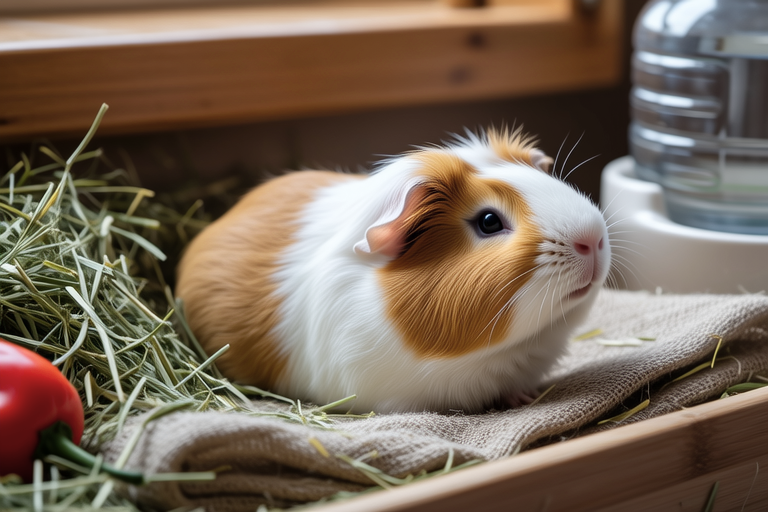
How to Create an Ideal Living Space for Your Lovable Guinea Pig
Introduction to Guinea Pig Housing Needs
Guinea pigs, also known as cavies, are delightful pets that bring joy and companionship to their owners. However, providing them with a comfortable and stimulating environment is crucial for their physical and mental well-being. Proper housing ensures they have enough space to move around, play, and rest comfortably. Understanding their unique needs helps you create a safe and enriching habitat for your guinea pig.
Size and Type of Habitat
The first step in creating an ideal living space for your guinea pig is selecting the right habitat. The cage should be spacious enough for your pet to stretch out, stand up on its hind legs without hitting the top, and move around freely. A minimum size of 7.5 square feet (about 2×3.5 feet) is recommended for one guinea pig, but larger is always better. For two or more guinea pigs, add an additional 4 square feet per additional animal. Opt for a cage made of durable material like wire mesh, which allows for proper ventilation while preventing your pet from chewing through it.
Choose a habitat that has a solid floor to prevent injury from wire flooring, which can cause foot problems. Ensure there are no small gaps where your guinea pig could get stuck or injured. A multi-level habitat with ramps or tunnels can provide extra stimulation and exercise opportunities for your pet.
Essential Bedding Materials
Bedding plays a vital role in keeping your guinea pig’s living area clean and comfortable. It absorbs waste, reduces odors, and provides cushioning for your pet. Avoid cedar and pine shavings as they can cause respiratory issues and skin irritation. Instead, opt for soft, dust-free bedding options such as:
- Paper-based bedding: Made from recycled paper, it’s absorbent and easy to clean.
- Coco coir: Derived from coconut husks, it’s highly absorbent and odor-resistant.
- Shredded paper: Provides comfort and is biodegradable.
Change the bedding regularly to maintain hygiene and prevent the buildup of harmful bacteria or ammonia levels.
Appropriate Toys and Accessories
To keep your guinea pig entertained and mentally stimulated, provide a variety of toys and accessories. Suitable items include:
- Chew toys: Wooden blocks, cardboard tubes, and untreated willow balls help keep your guinea pig’s teeth healthy.
- Tunnels and houses: Provide enclosed spaces for exploration and relaxation.
- Exercise wheels: Ensure the wheel is large enough (at least 8 inches in diameter) to prevent back injuries.
- Balls: Soft, lightweight balls allow your guinea pig to roll around and explore.
Rotate toys periodically to keep your pet engaged and prevent boredom.
Necessary Hiding Spots and Resting Areas
Guinea pigs need quiet, secure places to retreat when they feel stressed or want to sleep. Provide hiding spots like igloos, tunnels, or small tents made of soft fabric. These areas should be cozy and dark, offering a sense of security. Ensure that any hiding spot is easy to clean and free from sharp edges or small parts that could pose a choking hazard.
Safe and Suitable Feeding Areas
Designate a specific area within the habitat for feeding to establish routine and cleanliness. Use ceramic food bowls that are heavy enough to prevent tipping and easy to clean. Position the bowl away from areas where your guinea pig defecates to avoid contamination. Additionally, consider installing a water bottle with a sipper tube for constant access to fresh water.
Maintaining Cleanliness and Hygiene
Regular cleaning is essential to ensure your guinea pig’s health and happiness. Remove soiled bedding daily and perform a thorough cleaning of the entire habitat at least once a week. Use mild, pet-safe disinfectants to clean the cage and all accessories. Rinse everything thoroughly and allow it to dry completely before returning your guinea pig to its home.
Temperature and Lighting Considerations
Guinea pigs thrive in environments with temperatures between 65°F and 75°F (18°C to 24°C). Avoid exposing them to extreme heat or cold. Ensure the habitat is placed away from direct sunlight, drafts, and air conditioning vents. Natural light is beneficial, but direct sunlight can lead to overheating. If using artificial lighting, choose bulbs that mimic natural daylight and limit exposure to less than 12 hours per day.
Integrating Multiple Guinea Pigs
If you have multiple guinea pigs, it’s important to provide ample space and resources to prevent stress and competition. Ensure the habitat is large enough to accommodate each guinea pig comfortably, with separate areas for sleeping, eating, and playing. Introduce new guinea pigs gradually under supervision to monitor their interactions and ensure compatibility.
Concluding Benefits of a Well-Designed Living Space
A well-designed living space significantly enhances your guinea pig’s quality of life. It promotes physical health, mental stimulation, and emotional well-being. By meeting their housing needs, you provide a nurturing environment that fosters trust and companionship between you and your pet. A happy, healthy guinea pig is more likely to live a longer, fuller life, bringing years of joy and companionship into your home.
