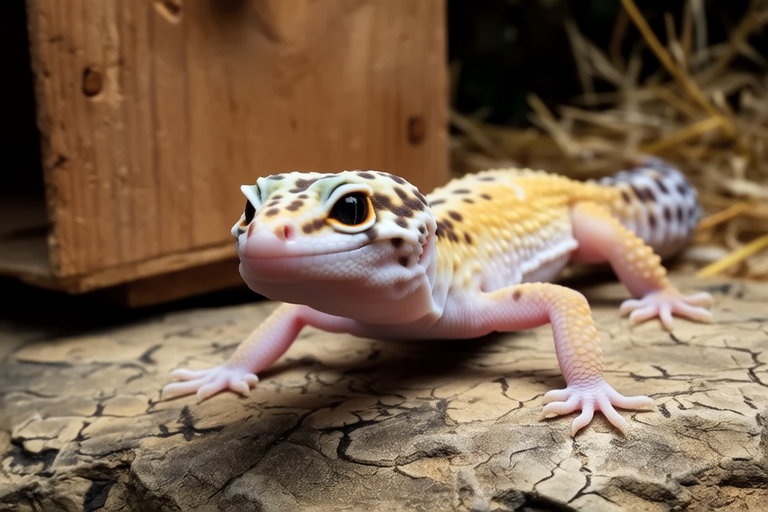
Leopard Gecko Behavior: A Comprehensive Guide
Welcome to a detailed exploration of the fascinating world of Leopard Geckos. These small, ground-dwelling lizards have become one of the most popular choices among reptile enthusiasts and first-time pet owners alike. Their docile nature, ease of care, and vibrant colors make them ideal companions. Understanding their behavior is crucial for ensuring their well-being and enhancing your bond with these captivating creatures.
The Popularity of Leopard Geckos
Leopard Geckos are native to the arid regions of Afghanistan, Pakistan, and India. They have gained immense popularity due to their manageable size, which ranges from 7 to 10 inches in length, making them perfect for apartment living. Additionally, their relatively simple dietary and environmental needs have contributed to their widespread appeal. With proper care, they can live up to 20 years, providing long-term companionship.
Common Behaviors and What They Indicate
Basking and Thermoregulation
Leopard Geckos are ectothermic, meaning they rely on external sources to regulate their body temperature. Providing a heat source, such as an under-tank heater or ceramic heat emitter, is essential. A basking area should be maintained at around 88 to 90 degrees Fahrenheit, while the cooler side of the enclosure should remain between 75 and 80 degrees Fahrenheit. Regular basking suggests that your gecko is comfortable and healthy.
Hiding and Sheltering
These geckos are naturally shy and prefer to hide during the day. Providing multiple hiding spots, such as caves or tunnels, allows them to feel secure and reduces stress. If your gecko spends excessive time out in the open, it might indicate discomfort or a need for additional hiding spaces. Conversely, if it never ventures out, it could suggest an issue with its environment or health.
Eating Habits
Leopard Geckos are insectivores, primarily feeding on crickets, mealworms, and waxworms. Offering a variety of prey items ensures a balanced diet. Healthy geckos will display an active interest in food and consume it readily. However, if your gecko refuses meals or shows a lack of appetite, it may be a sign of illness or stress.
Social Interaction
Leopard Geckos are solitary animals by nature and do not require companionship. Housing multiple geckos together can lead to stress, aggression, or even cannibalism. While they do not seek social interaction with humans, gentle handling can strengthen your bond. Always handle them carefully, supporting their entire body to avoid causing injury.
The Shedding Process
Regular shedding is vital for a gecko’s health. Juvenile geckos shed every four weeks, while adults shed less frequently. During shedding, their skin becomes dull and flaky. Proper hydration and humidity levels are crucial to ensure the shedding process goes smoothly. Mist the enclosure daily or provide a humid hide box filled with damp moss to aid in the shedding process. Signs of incomplete shedding, such as retained skin around the toes, can lead to health issues and should be addressed immediately.
Nocturnal Activities
Leopard Geckos are primarily nocturnal, meaning they are most active during the night. They spend their days resting and conserving energy. At night, they become more active, hunting for food and exploring their environment. Observing their nighttime activities can provide insight into their overall health and happiness. If your gecko remains inactive throughout the day and night, it might indicate underlying health problems.
Interpreting Signs of Stress or Illness
Recognizing signs of stress or illness is crucial for timely intervention. Common indicators include lethargy, loss of appetite, difficulty shedding, and changes in feces. If you notice any of these symptoms, consult a veterinarian specializing in reptiles. Early detection and treatment can prevent more severe health issues.
Maintaining a Healthy Environment
To encourage positive behaviors and ensure your gecko’s well-being, maintain a clean and stimulating environment. Regularly clean the enclosure, removing waste and replacing substrate as needed. Provide enrichment through varied hiding spots, climbing structures, and occasional rearrangement of the enclosure to stimulate exploration. Proper lighting and temperature control are also essential. Ultraviolet (UV) lighting is not necessary for Leopard Geckos, but it can help prevent metabolic bone disease if used appropriately.
In conclusion, understanding Leopard Gecko behavior is key to providing them with the best possible care. By observing their natural behaviors and responding to any changes, you can ensure your gecko remains healthy, happy, and thriving. Whether you’re a novice or an experienced owner, taking the time to learn about your pet’s unique needs will deepen your connection and enhance your enjoyment of these delightful creatures.
