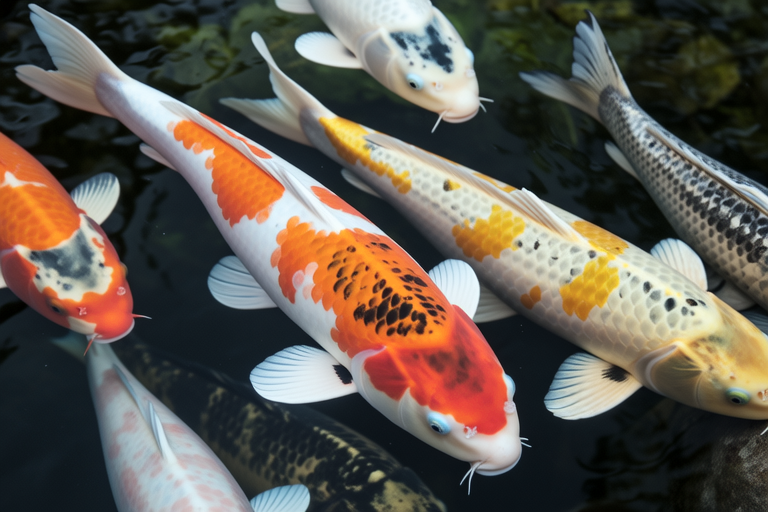
The Ultimate Journey into the Vibrant World of Koi Varieties
Koi fish, known scientifically as Cyprinus carpio, are not just any ordinary fish; they are living works of art that have captivated hearts and minds for centuries. Originating from East Asia, particularly in Japan, these vibrant creatures have become synonymous with beauty, tranquility, and cultural significance. The term “koi” is derived from the Japanese word for carp, but it specifically refers to ornamental varieties of common carp. These fish have been selectively bred over generations to exhibit a wide array of colors, patterns, and fin shapes, making them one of the most sought-after species in the world of aquaculture.
Cultural Significance: A Symbol of Tranquility and Prosperity
In Japanese culture, koi fish hold a special place and are often associated with good fortune and perseverance. According to legend, a koi that successfully swims upstream against the strong current of a waterfall transforms into a dragon, symbolizing triumph over adversity. This metaphor has deeply resonated with the Japanese people, who view the fish as a representation of strength and determination. Koi ponds are commonly found in gardens and parks throughout Japan, where they serve both practical and aesthetic purposes. Beyond Japan, koi have also found their way into Western culture, becoming popular additions to home aquariums and water gardens.
A Rich History of Koi Breeding
The history of koi breeding can be traced back to ancient China, where common carp were first domesticated around 4,000 years ago. However, it was in the 18th century that the Japanese began to take interest in selectively breeding these fish for their aesthetic appeal. By the late 19th century, koi breeding had become a refined art form in Japan, with various localities developing their own distinct strains of koi. One of the earliest and most significant milestones in koi breeding was the development of the red-and-white variety, known as Hi Utsuri, which occurred in the town of Yamakoshi in Niigata Prefecture. This variety became highly prized and set the stage for further experimentation and innovation.
One of the most influential figures in the history of koi breeding was Hikokichi Akiyama, who is credited with introducing the Sanke variety to the world. This variety features three distinct colors—red, white, and black—and is considered one of the most beautiful and sought-after koi types. Another notable figure is Masamitsu Watanabe, who played a crucial role in popularizing koi breeding internationally during the 20th century. His efforts helped establish koi as a global phenomenon, with enthusiasts and breeders from all corners of the world contributing to the ongoing evolution of this beloved species.
Diverse Range of Koi Varieties
The world of koi is vast and varied, with numerous distinct varieties each showcasing unique combinations of coloration, pattern, and fin type. Some of the most popular koi varieties include:
- Utsuri: Known for their striking black, red, or yellow base color with contrasting patches of white, these koi are highly valued for their bold and dramatic appearance.
- Sanke: Featuring red, white, and black markings, Sanke koi are among the most visually striking and highly sought after.
- Shibire: Characterized by their solid coloration, Shibire koi are admired for their uniformity and simplicity.
- Ginrin: These koi feature metallic scales that shimmer with a silvery hue, adding a touch of elegance and sophistication to any pond.
The value of these characteristics is often assessed in competitive settings, where judges evaluate koi based on several criteria, including color intensity, pattern clarity, symmetry, and overall health. Competitions are held annually in various parts of the world, bringing together koi enthusiasts and breeders to showcase their finest specimens and celebrate the art of koi breeding.
Tips for Caring for Koi
Proper care is essential for maintaining the health and vitality of koi fish. Here are some tips for creating an ideal environment for your koi:
Suitable Environments
Koi require large, well-filtered ponds with plenty of space to swim freely. The pond should be equipped with a robust filtration system to maintain water quality and prevent the buildup of harmful bacteria. Additionally, koi benefit from having plants and other aquatic life to provide shade and oxygen.
Diet
Feeding koi a balanced diet is crucial for their growth and overall health. A high-quality koi food should be rich in protein and supplemented with vitamins and minerals. It’s important to feed koi only what they can consume within a few minutes to avoid overfeeding and water pollution.
Health Maintenance
Regular monitoring of water quality and temperature is essential for preventing diseases and ensuring the well-being of your koi. Signs of illness may include loss of appetite, abnormal swimming behavior, or visible lesions. If you suspect your koi is sick, consult a veterinarian specializing in aquatic animals for proper diagnosis and treatment.
Emotional and Aesthetic Benefits of Keeping Koi
Keeping koi offers numerous emotional and aesthetic benefits. Observing these graceful creatures as they glide through the water can bring a sense of peace and tranquility, making koi ponds a popular addition to serene outdoor spaces. Moreover, the vibrant colors and intricate patterns of koi can add a touch of beauty and charm to any garden or pond. For many enthusiasts, the joy of caring for koi lies in the daily interactions and the opportunity to witness the growth and development of these remarkable fish.
In conclusion, the world of koi is a fascinating and rewarding journey that combines art, science, and passion. From their cultural significance in Japan to their enduring popularity worldwide, koi fish continue to captivate and inspire. Whether you’re a seasoned enthusiast or a curious beginner, there’s always more to learn and discover in the vibrant world of koi varieties. We hope this guide has provided you with valuable insights and encouraged you to explore the captivating world of these aquatic pets further.
