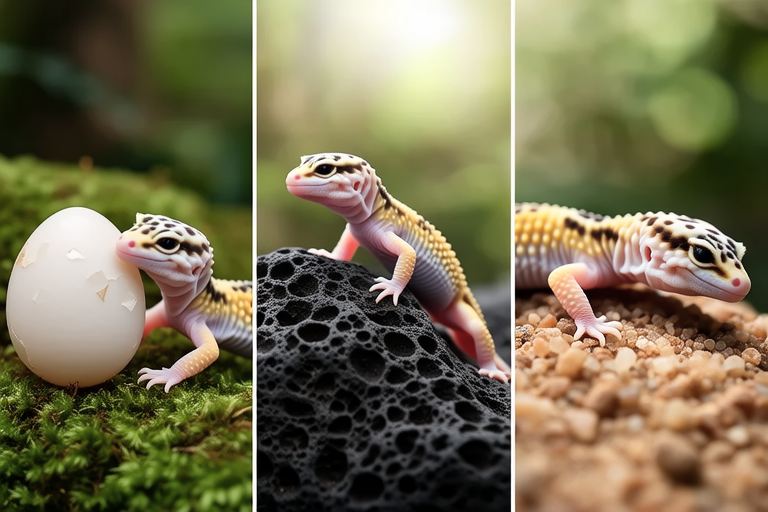
The Complete Lifecycle of Leopard Geckos: From Egg to Adult
Leopard geckos (Eublepharis macularius) are among the most popular pet reptiles due to their hardiness, ease of care, and appealing appearance. Their lifecycle, from egg to adult, is a fascinating journey that involves several distinct stages. This article will guide you through every phase of a leopard gecko’s life, offering insights into their breeding habits, incubation periods, hatching processes, juvenile development, dietary needs, typical lifespan, and common health issues.
Breeding Habits and Incubation Periods
Leopard geckos reach sexual maturity around 12 to 18 months after hatching. Males can be distinguished from females by their hemipenal bulges and lack of a cloacal bulge. Females typically lay clutches of one or two eggs every few weeks during the breeding season. The eggs are soft-shelled and require careful handling to prevent damage.
Incubation periods vary based on temperature. At 29°C (84°F), eggs hatch in approximately 45 days, while at 32°C (90°F), it takes about 37 days. Higher temperatures accelerate development but may also increase the risk of deformities. Ideal incubation conditions include high humidity (80-90%) and a substrate that retains moisture without becoming soggy.
Hatching Process
As the incubation period nears its end, the eggs become more translucent, and the developing geckos’ eyes can be seen. When ready to hatch, the young geckos use an egg tooth to slice open the shell. They may take up to 24 hours to fully emerge. Newborns are typically 3 to 4 inches long and weigh about 3 grams.
After hatching, the neonates shed their first skin within 24 to 48 hours. This process is crucial as it allows them to access their yolk sac, which provides essential nutrients until they start feeding independently.
Juvenile Development Stages
Newly hatched leopard geckos are fully independent and can feed immediately. They prefer small insects like pinhead crickets and fruit flies. As they grow, their diet expands to include larger prey items such as dubia roaches and mealworms. Juveniles should be fed daily, with calcium and vitamin D3 supplements added to their food to promote healthy bone growth.
During this stage, leopard geckos undergo rapid growth spurts. Their tails thicken and develop distinctive banding patterns. By six months old, they are nearly half their adult size. At this point, they can be moved to a larger enclosure suitable for adults.
Dietary Changes Throughout Their Life
Adult leopard geckos maintain a similar diet to juveniles but consume fewer meals per week. A balanced diet consists of gut-loaded insects dusted with calcium and vitamin D3 supplements. Feeding frequency depends on age and activity level; younger adults might eat three times a week, while older ones could manage twice weekly.
Variety is key in maintaining nutritional balance. In addition to crickets and roaches, occasional treats of waxworms or hornworms can be offered. However, these should be limited due to their high-fat content. Fresh water should always be available, though leopard geckos rarely drink from standing water.
Typical Lifespan
With proper care, leopard geckos can live between 15 and 20 years. Factors influencing longevity include genetics, diet, environmental conditions, and overall health. Regular veterinary check-ups help identify potential issues early, ensuring your pet enjoys a long, healthy life.
Common Health Issues
Leopard geckos are generally robust animals but can suffer from various ailments if not cared for properly. Metabolic Bone Disease (MBD) is one of the most serious conditions, caused by calcium deficiency. Symptoms include lethargy, tremors, and difficulty moving. Prevention involves providing adequate lighting, ensuring proper supplementation, and maintaining appropriate husbandry practices.
Respiratory infections are another concern, often resulting from poor hygiene or incorrect humidity levels. Signs include labored breathing, nasal discharge, and reduced appetite. Prompt treatment with antibiotics prescribed by a veterinarian is necessary.
Impaction occurs when ingested substrate blocks the digestive tract. It can lead to severe discomfort and even death if left untreated. To prevent impaction, avoid using loose substrates like sand or walnut shells. Instead, opt for paper towels, reptile carpet, or other safe alternatives.
Conclusion
Understanding the lifecycle of leopard geckos allows us to provide optimal care at each stage. From breeding and incubation to juvenile development and adulthood, attention to detail ensures these captivating creatures thrive. By staying informed about dietary needs, potential health risks, and best practices in husbandry, you can enjoy a rewarding relationship with your pet leopard gecko for many years to come.
