From Amazon to Aquarium: Journey with the Enigmatic Arowana
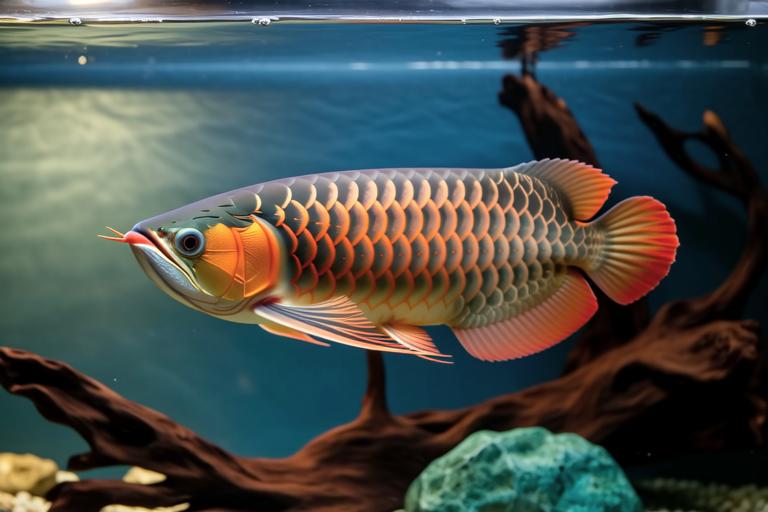
The arowana, often referred to as the “dragon of the water,” is a truly mesmerizing creature that has captivated the hearts of many for centuries. This ancient fish, known for its prehistoric appearance and regal demeanor, is more than just a beautiful addition to any aquarium; it’s a symbol of power and grace. Its unique characteristics and historical significance have made it a subject of fascination among both amateur and professional aquarists alike.
A Unique Creature with Historical Significance
The arowana’s reputation as a “dragon of the water” stems from its striking appearance and behavior. With its elongated body, large scales, and prominent pectoral fins, it indeed resembles a mythical dragon. Historically, these fish have been revered in various cultures, particularly in Southeast Asia, where they are considered symbols of good fortune and prosperity. The arowana’s allure lies not only in its physical appearance but also in its rich history and cultural importance.
Natural Habitat: The Amazon Basin
The arowana’s natural habitat is primarily found in the Amazon Basin, where it thrives in the warm, murky waters of the region. These fish are highly adaptable and can be found in various environments, from fast-flowing rivers to slow-moving tributaries. In the wild, arowanas are apex predators, feeding on a variety of prey including insects, smaller fish, and even small mammals that venture too close to the water’s edge. Their ability to leap out of the water to catch flying insects is one of their most fascinating survival strategies.
In the Amazon, arowanas face numerous challenges, including competition from other predators and environmental changes. Despite these challenges, they have managed to survive and thrive for millions of years. Their resilience and adaptability are a testament to their evolutionary success.
Survival Strategies and Behaviors in the Wild
Arowanas are known for their exceptional jumping abilities, which they use not only to catch flying insects but also to escape predators. This behavior, combined with their sharp teeth and strong jaws, makes them formidable hunters. They are also highly territorial, especially during breeding season, when males will defend their territory against intruders.
In the wild, arowanas exhibit a range of social behaviors. They are generally solitary creatures, but they can form loose associations with others of their kind. During breeding season, pairs of arowanas will come together to mate, with the male guarding the eggs and fry until they are old enough to fend for themselves.
Keeping Arowanas in Home Aquariums
Bringing an arowana into your home aquarium is no small feat. These fish require specialized care and a dedicated environment to thrive. One of the primary considerations when setting up a tank for an arowana is size. Adult arowanas can grow up to three feet in length, so a tank that is at least 75 gallons is recommended. However, for long-term health and well-being, a tank of 150 gallons or more is ideal.
The tank setup should mimic the natural habitat of the arowana as closely as possible. This includes providing ample swimming space, hiding spots, and a substrate that allows for natural behavior. Water parameters are equally important, with a temperature range of 78-84°F and a pH level between 6.5 and 7.5 being optimal. Regular water changes and maintenance are essential to keep the water quality high.
Dietary needs are another crucial aspect of arowana care. In the wild, arowanas are carnivorous, feeding on a variety of live foods such as insects, crustaceans, and smaller fish. In captivity, they can be fed a diet of frozen or live foods, including bloodworms, krill, and feeder fish. It’s important to note that arowanas have a preference for live food, so offering a varied diet can help ensure their nutritional needs are met.
Personal experience has shown that patience and consistency are key when caring for arowanas. It takes time to establish trust and understand their behavior, but the rewards are immense. Watching these magnificent creatures grow and thrive in your aquarium is a truly rewarding experience.
The Community Aspect: Connecting Over a Shared Passion
The arowana community is a vibrant and supportive network of enthusiasts who share a common love for these remarkable fish. Online forums and local clubs provide a platform for hobbyists to connect, share experiences, and learn from one another. Whether you’re a beginner or an experienced aquarist, there’s always something new to discover about arowanas.
One of the most rewarding aspects of the arowana community is the sense of camaraderie and shared passion. Many hobbyists have formed lifelong friendships through their shared interest in these fish. Whether it’s sharing tips on tank setup, discussing dietary preferences, or simply admiring each other’s collections, the community provides a wealth of knowledge and support.
Conservation Efforts and the Role of Hobbyists
The arowana’s status as a protected species underscores the importance of responsible breeding and conservation efforts. As demand for these fish continues to rise, it’s crucial that hobbyists play an active role in ensuring their survival. Responsible breeding practices, such as maintaining genetic diversity and avoiding overfishing, are essential steps in preserving this enigmatic species.
Hobbyists can also contribute to conservation efforts by supporting organizations dedicated to protecting arowanas and their habitats. By raising awareness and advocating for responsible practices, hobbyists can help ensure that future generations will have the opportunity to appreciate these magnificent creatures.
In conclusion, the journey from the Amazon to the aquarium is a testament to the resilience and adaptability of the arowana. From its unique characteristics and historical significance to its survival strategies and behaviors in the wild, the arowana is a truly remarkable fish. While keeping arowanas in home aquariums requires dedication and specialized care, the rewards are immeasurable. By connecting with fellow enthusiasts and supporting conservation efforts, hobbyists can play a vital role in preserving this enigmatic species for generations to come.
