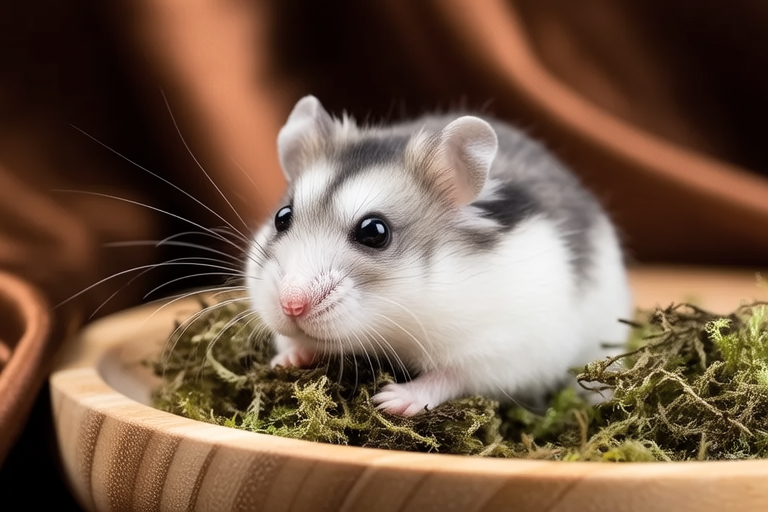
Nocturnal Charm: Discovering the Secrets of Roborovski Hamsters
Roborovski hamsters, often referred to as Robos, are tiny, energetic creatures that have captured the hearts of many pet enthusiasts. These pocket-sized wonders are not only the smallest among hamster species but also possess unique nocturnal behaviors that make them fascinating companions. This article delves into the world of Roborovski hamsters, exploring their origins, behaviors, dietary needs, and specific care requirements. We’ll also provide valuable tips for potential owners to ensure these delightful creatures thrive in their homes.
The Origins and History of Roborovski Hamsters
The Roborovski hamster (Cricetulus roborovskii) was first discovered in the early 20th century by Russian naturalist Liudmila Markovna Gromova. Named after her colleague, Lt. Vsevolod Roborovski, these hamsters are native to the deserts of Kazakhstan, Mongolia, and parts of China. They have adapted to harsh desert conditions, where they dig intricate burrows to escape the extreme temperatures. Their small size and high energy levels are adaptations to their arid habitat, allowing them to survive with minimal resources.
Unique Nocturnal Behaviors
One of the most striking features of Roborovski hamsters is their nocturnal lifestyle. Unlike some other hamster species that are primarily active during the night, Robos are most active at dawn and dusk, a behavior known as crepuscular. This means they spend much of their day resting and conserve energy for their brief periods of activity. Owners should be prepared for their pets’ bursts of energy during these times, which can include rapid digging, running on wheels, and exploring their enclosures.
The Smallest Hamster Species
Roborovski hamsters are the smallest of all hamster species, typically reaching lengths of around 4 to 5 inches (10 to 13 cm) from nose to tail. Their petite size makes them ideal for small living spaces, but it also requires careful attention to their specific care needs. Their delicate frames mean they are more susceptible to temperature extremes and require a well-insulated habitat to maintain their health.
Dietary Needs
Roborovski hamsters have specific dietary requirements to thrive. In the wild, their diet consists of seeds, grains, and occasional insects. As pets, they should be fed a balanced diet of high-quality hamster food, supplemented with fresh vegetables and fruits. It’s important to avoid feeding them foods high in sugar or fat, such as chocolate or nuts, as these can lead to obesity and other health issues. Fresh water should always be available, and it’s advisable to change it daily to prevent bacterial growth.
Lifespan and Health Considerations
Roborovski hamsters typically live between 2 to 3 years, though some may reach up to 4 years with proper care. Their lifespan can be extended by providing a healthy diet, a clean living environment, and regular veterinary check-ups. Common health issues include dental problems, respiratory infections, and digestive disorders. Regular monitoring of their teeth, eyes, and general behavior can help detect any signs of illness early, ensuring prompt treatment.
Energetic Nature and Living Environment
Roborovski hamsters are incredibly active and curious, requiring ample space to explore and exercise. A spacious cage with multiple levels and plenty of toys is essential for their physical and mental well-being. They enjoy running on wheels, climbing, and digging, so providing appropriate outlets for these activities is crucial. The cage should be placed in a quiet area away from direct sunlight and drafts to minimize stress and provide a comfortable environment.
Creating Suitable Habitats
To create a suitable habitat for Roborovski hamsters, consider the following:
- Cage Size: Provide a minimum of 18 x 12 inches (46 x 30 cm) of floor space per hamster. Bigger is better for these active creatures.
- Bedding: Use soft, dust-free bedding like shredded paper or recycled paper pellets. Avoid cedar or pine shavings, as they can irritate their respiratory systems.
- Toys and Enrichment: Include chew toys, tunnels, and exercise wheels. Ensure the wheel is large enough to prevent injury to their backs.
- Hiding Spots: Offer places for them to hide and feel secure, such as cardboard boxes or specially designed hamster igloos.
- Temperature Control: Maintain a temperature range of 65 to 75°F (18 to 24°C). Avoid placing the cage near windows or drafty areas.
Maintaining Health and Wellbeing
Regular cleaning of the cage is vital to prevent the buildup of bacteria and ammonia, which can lead to respiratory issues. Spot-clean the cage daily and perform a thorough cleaning once a week. Additionally, monitor their weight and appearance regularly. Any significant changes in appetite, activity level, or fur condition could indicate underlying health issues and should prompt a visit to the veterinarian.
Tips for Potential Owners
If you’re considering adopting a Roborovski hamster, here are some tips to ensure their happiness and health:
- Research Thoroughly: Learn about their specific needs before bringing one home.
- Handle Gently: Due to their small size, handle them carefully to avoid injuring them.
- Provide Stimulation: Keep their minds engaged with toys and activities to prevent boredom.
- Monitor Interactions: If housing multiple hamsters, observe their interactions closely to prevent aggression.
- Seek Professional Advice: Consult with a veterinarian experienced in small animal care for advice on healthcare and nutrition.
Conclusion
Roborovski hamsters are captivating creatures with unique characteristics that make them stand out among other pet rodents. Their nocturnal habits, small size, and energetic nature demand special care and attention. By understanding their origins, dietary needs, and specific living requirements, potential owners can provide a nurturing environment that allows these delightful pets to thrive. With proper care, Roborovski hamsters can bring joy and companionship to their human families for several years.
