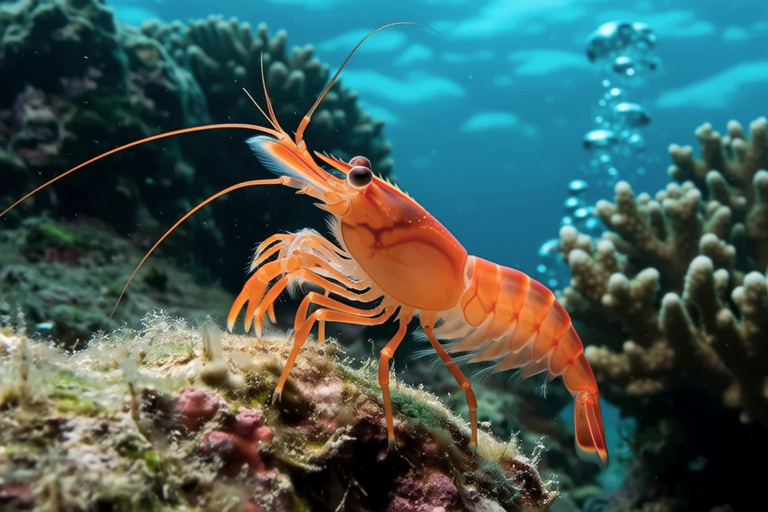
Coral Shrimp: The Underwater Cleaners You Need in Your Tank
Welcome to the vibrant and fascinating world of marine life! Among the myriad creatures that inhabit our oceans, one stands out for its unique role as a natural cleaner: the coral shrimp. These tiny crustaceans are not only visually captivating but also play a crucial part in maintaining the health of coral reefs and other aquatic environments. This article will guide you through the world of coral shrimp, exploring their appearance, behavior, dietary habits, and the significant contribution they make to your aquarium’s ecosystem.
Introduction to Coral Shrimp
Coral shrimp, scientifically known as Stenopus hispidus, are small, colorful crustaceans that can be found in tropical and subtropical waters around the globe. They are often referred to as cleaner shrimps due to their remarkable ability to remove parasites and dead tissue from larger fish. Their presence in an aquarium can significantly enhance water quality and promote the overall health of the reef environment.
Appearance and Behavior
Coral shrimp are easily recognizable thanks to their striking appearance. They have a slender body covered in red or orange spines, which serve both as camouflage and protection against predators. Their distinctive white claws are used for grooming and cleaning purposes. Coral shrimp are typically nocturnal, meaning they are most active during the night when they venture out to clean fish and scavenge for food.
These shrimp are peaceful and non-aggressive, making them excellent additions to community tanks. However, they can become territorial if overcrowded, so it is important to provide ample space for each shrimp. They thrive in environments where they can find hiding spots such as caves, rocks, and crevices, which offer them security and privacy.
Dietary Habits
The diet of coral shrimp is diverse and primarily consists of algae, detritus, and leftover food particles. They also feed on parasites and dead tissue from fish, contributing to the overall cleanliness of the tank. In addition, they consume small invertebrates and planktonic organisms, which further diversifies their diet and helps maintain the balance of the ecosystem.
Maintaining Water Quality and Reef Health
One of the primary reasons coral shrimp are popular among aquarists is their ability to help maintain water quality and the health of coral reefs within a tank. By consuming algae and detritus, they prevent the buildup of harmful substances that can lead to poor water quality. Additionally, their cleaning activities on fish reduce the risk of infections and diseases, promoting the overall well-being of the tank inhabitants.
Setting Up an Ideal Habitat
To ensure the optimal living conditions for coral shrimp, it is essential to create a suitable habitat that mimics their natural environment. A well-established reef tank with live rock and corals provides the necessary hiding spots and feeding opportunities. It is recommended to have at least 30 gallons of water for a single shrimp, with more space being preferable for multiple individuals.
Water parameters should be carefully monitored and maintained to ensure the best possible conditions for the shrimp. A temperature range of 75-82°F (24-28°C) and a pH level between 8.1 and 8.4 are ideal. Regular water changes and proper filtration are also crucial for keeping the tank clean and healthy.
Suitable Tank Mates
When choosing tank mates for your coral shrimp, it is important to select species that are compatible and non-aggressive. Some suitable companions include small, peaceful fish like clownfish, gobies, and cardinal tetras. Avoid aggressive or large fish that may prey on the shrimp or compete for food. Invertebrates such as snails and hermit crabs can also coexist peacefully with coral shrimp.
Necessary Environmental Conditions
Creating a thriving environment for coral shrimp requires attention to detail. Ensure that the tank has plenty of hiding spots and open swimming areas. Live rock and coral provide not only shelter but also a source of food. Proper lighting is essential for the growth of algae and the overall health of the tank. A protein skimmer and adequate biological filtration will help maintain water quality.
Benefits of Having Coral Shrimp
The inclusion of coral shrimp in your aquarium offers numerous benefits. Firstly, they act as natural janitors, keeping the tank clean and free from debris. Secondly, their presence promotes the health of the coral reefs and other inhabitants by preventing the spread of disease and infection. Lastly, coral shrimp add a touch of color and movement to the tank, enhancing its aesthetic appeal.
Conclusion
In conclusion, coral shrimp are invaluable additions to any reef tank. Their unique combination of appearance, behavior, and dietary habits makes them effective cleaners and beneficial members of the aquatic community. By providing them with a suitable habitat and compatible tank mates, you can ensure their well-being and maximize their contributions to your tank’s ecosystem. Consider adding coral shrimp to your own aquatic ecosystem and experience the many benefits they bring.
