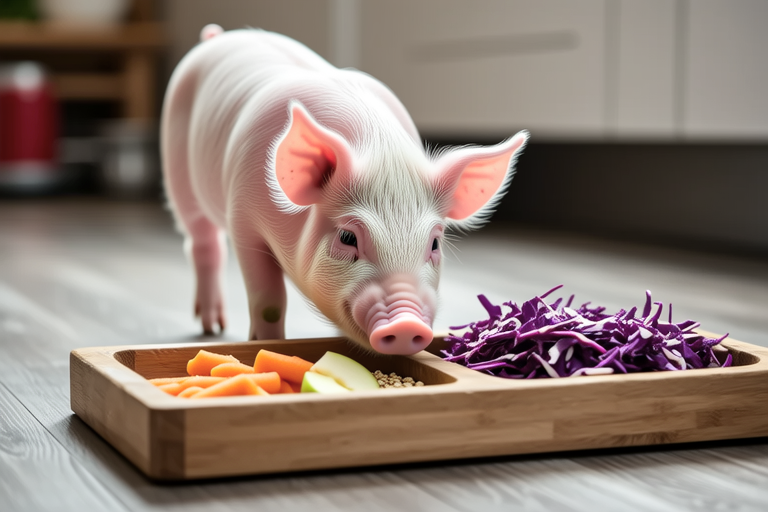
The Surprising Diet of Mini Pigs: What Your New Pet Really Needs
Welcome to the wonderful world of mini pigs! If you’ve just brought home your new pet, you might be surprised by how much misinformation there is about their dietary needs. One common misconception is that mini pigs can eat whatever scraps you have lying around the house. In reality, these adorable creatures have specific nutritional requirements that must be met to ensure they stay healthy and happy.
Understanding Nutritional Requirements
Mini pigs need a balanced diet rich in proteins, fats, and carbohydrates. Proteins are essential for muscle growth and repair, while fats provide energy and help absorb vitamins. Carbohydrates supply the necessary fuel for daily activities. A typical mini pig’s diet should consist of approximately 14% protein, 3% fat, and 65% carbohydrates. Ensuring this balance is crucial for maintaining their overall health.
Protein sources for mini pigs include high-quality commercial pig feed or cooked meats like chicken, turkey, and fish. Fats can come from oils such as flaxseed oil or sunflower oil, added in small quantities. Carbohydrates are mainly provided through grains like oats, barley, and corn. These ingredients should be incorporated into their meals carefully to avoid overfeeding.
What Mini Pigs Should Not Eat
While it’s tempting to share your food with your mini pig, certain human foods can be harmful or even toxic. Avocados, for instance, contain persin, which can cause respiratory distress and heart failure in pigs. Chocolate, caffeine, and alcohol are also strictly off-limits due to their high levels of theobromine and caffeine, which can lead to toxicity. Additionally, avoid feeding them raw potatoes, rhubarb, onions, and garlic, as these can cause digestive issues and anemia.
Processed foods like chips, cookies, and sugary snacks are also unsuitable for mini pigs. These items lack the necessary nutrients and can lead to obesity and other health problems. It’s important to resist the urge to give your mini pig table scraps and stick to a well-balanced diet specifically designed for pigs.
Commercial Pig Feeds vs Homemade Diets
When choosing a diet for your mini pig, you have two main options: commercial pig feed or homemade diets. Commercial pig feeds are formulated to meet the nutritional needs of pigs and come in various types, including pellets, crumbles, and mash. Look for feeds that are high in fiber and low in sugar to prevent obesity. Some popular brands include Mazuri, Purina, and Nutrena. Always check the label to ensure the feed is appropriate for mini pigs.
If you prefer to prepare your mini pig’s meals at home, consult with a veterinarian or animal nutritionist to create a balanced recipe. A basic homemade diet might include cooked grains, vegetables, and a small amount of meat. Be cautious about the proportions and ensure all ingredients are thoroughly cooked to eliminate any potential pathogens.
No matter which option you choose, portion control is key. Overfeeding can lead to obesity, joint problems, and a shorter lifespan. Measure out the recommended amount of food based on your mini pig’s age, weight, and activity level. Fresh water should always be available to keep them hydrated.
Transitioning to a New Diet
Introducing a new diet to your mini pig requires patience and careful planning. Start by mixing a small amount of the new food with their current diet and gradually increase the proportion of the new food over several days. This approach helps prevent digestive upset and allows your mini pig to adjust to the taste and texture of the new food.
Monitor your mini pig’s behavior and health during the transition period. If you notice any signs of discomfort, such as vomiting, diarrhea, or lethargy, discontinue the new food and consult your veterinarian. It’s also a good idea to introduce new foods one at a time to identify any potential allergens or intolerances.
The Importance of Veterinary Consultation
Every mini pig is unique, and their dietary needs may vary depending on factors such as age, weight, and overall health. Consulting with a veterinarian is essential to develop a personalized feeding plan for your pet. They can recommend the best type of food, portion sizes, and feeding schedule based on your mini pig’s individual requirements.
Your veterinarian can also perform regular check-ups to monitor your mini pig’s weight and overall health. By working together, you can ensure your mini pig enjoys a long and healthy life. Remember, a proper diet is the foundation for a happy and thriving pet.
In conclusion, providing the right diet for your mini pig is vital for their health and happiness. Understanding their nutritional needs, avoiding harmful foods, and consulting with a veterinarian will help you create a balanced and enjoyable meal plan for your new furry friend. With the right care and attention, your mini pig will thrive and bring years of joy to your family.
