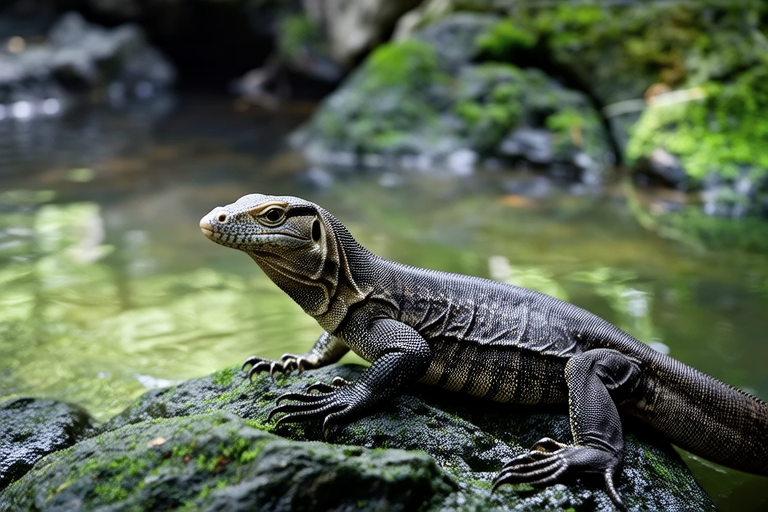
Aquatic Giants: Caring for Your Very Own Water Monitor
The water monitor (Varanus salvator) is one of the largest lizards in the world, captivating reptile enthusiasts with its impressive size, agility, and aquatic prowess. Owning a water monitor can be a rewarding experience, but it requires extensive knowledge, commitment, and resources. This guide aims to provide comprehensive information on caring for your very own water monitor, covering its natural habitat, dietary needs, housing requirements, health care tips, and behavioral insights.
Natural Habitat
Water monitors are native to Southeast Asia, particularly in countries like India, Indonesia, Malaysia, and the Philippines. They inhabit a variety of environments, including swamps, rivers, mangroves, and coastal areas. These lizards are semi-aquatic, spending significant time both on land and in water. Understanding their natural habitat is crucial for providing an appropriate environment in captivity.
In the wild, water monitors thrive in warm, humid conditions with plenty of vegetation for cover and basking spots. They are excellent swimmers and often dive into water to escape predators or hunt prey. Their habitat should mimic these conditions as closely as possible to ensure their well-being.
Dietary Needs
Water monitors are carnivorous, feeding primarily on small animals such as rodents, birds, fish, and insects. In captivity, their diet must be carefully managed to meet their nutritional requirements while avoiding obesity. A balanced diet typically includes pre-killed rodents, feeder fish, and occasionally insects. It is essential to offer a variety of food items to ensure a broad spectrum of nutrients.
Vitamins and minerals are vital for maintaining good health. Supplements should be used sparingly and under professional guidance. Over-supplementation can lead to health issues. Feeding live prey can pose risks, such as introducing parasites or diseases. Therefore, it is recommended to feed pre-killed or frozen-thawed prey to minimize these risks.
Housing Requirements
Housing a water monitor requires careful planning due to their size and activity level. A spacious enclosure is necessary to allow ample room for movement and exploration. For a young water monitor, a 4 x 2 x 2-foot enclosure may suffice, but as they grow, larger enclosures are required, often exceeding 8 x 4 x 4 feet for adults.
The enclosure should include both terrestrial and aquatic components. A deep water area allows them to swim and submerge fully, while a dry area provides space for basking and resting. The substrate should be non-toxic and easily cleaned, such as large gravel or aquarium-safe sand. Avoid using wood chips or shavings that could cause respiratory issues.
Proper lighting and temperature control are critical. UVB lighting is necessary for vitamin D3 synthesis and calcium absorption. Basking areas should reach temperatures between 95°F and 105°F, while the cooler side of the enclosure should remain around 80°F. Water temperature should ideally be maintained at 80°F to 85°F.
Health Care Tips
Regular veterinary check-ups are essential for monitoring the health of your water monitor. A qualified reptile veterinarian should perform routine examinations, including blood tests and fecal checks, to detect any potential health issues early.
Maintenance of hygiene within the enclosure is paramount. Regular cleaning helps prevent bacterial and fungal infections. Water should be changed daily, and the entire enclosure should be thoroughly cleaned and disinfected periodically. Proper husbandry practices significantly reduce the risk of illness.
Signs of poor health include lethargy, loss of appetite, abnormal feces, and changes in skin color or texture. Any unusual behavior should prompt immediate attention from a veterinarian.
Behavioral Insights
Water monitors are intelligent and curious creatures, often displaying complex behaviors. They are known for their problem-solving abilities and can become quite interactive with their handlers. However, they can also be territorial and aggressive if not handled properly. Early socialization and consistent handling are key to building a positive relationship.
Training can be an enriching activity, offering mental stimulation and bonding opportunities. Simple commands or tricks can be taught through positive reinforcement, rewarding desired behaviors with treats or praise. Training sessions should be short and frequent to maintain interest and avoid stress.
Responsibilities and Considerations
Owning a water monitor comes with significant responsibilities. These reptiles require a substantial investment of time, money, and space. Potential owners must consider the long-term commitment, as water monitors can live up to 20 years in captivity. Housing and feeding costs, along with veterinary expenses, should be factored into the decision-making process.
Legal considerations vary by region. Some areas may have specific regulations regarding the ownership of exotic pets. Research local laws and obtain any necessary permits before acquiring a water monitor. Additionally, responsible ownership involves considering the environmental impact and ethical concerns associated with keeping exotic animals as pets.
For those prepared to take on the challenge, owning a water monitor can be an incredibly rewarding experience. These magnificent creatures offer unique companionship and a window into the wonders of the natural world. With proper care and dedication, you can provide a loving home for your aquatic giant.
