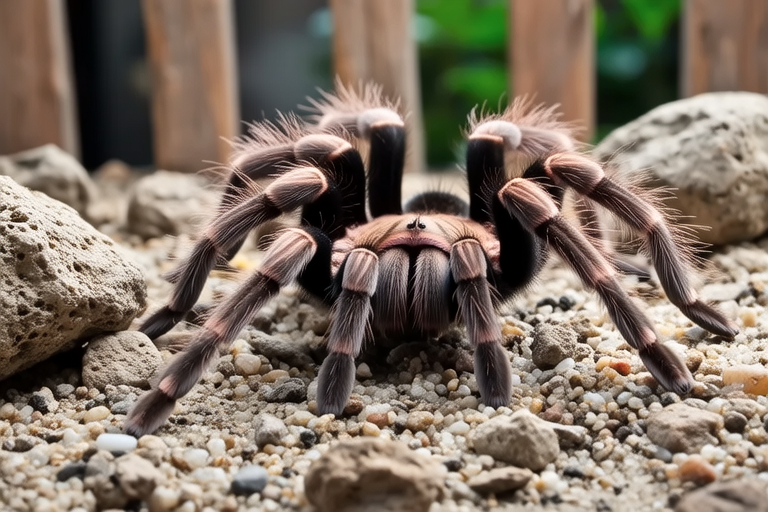
How to Care for Your Chilean Rose Tarantula Like a Pro: Insider Tips
Welcome to your ultimate guide on how to care for your Chilean Rose Tarantula like a pro! Whether you’re a beginner or an experienced tarantula owner, this article will provide you with essential information and insider tips to ensure your pet thrives in its new home. From habitat setup to health monitoring, we’ve got you covered.
Habitat Setup: Creating the Perfect Environment
The first step in caring for your Chilean Rose Tarantula is setting up the perfect habitat. These spiders require specific conditions to feel secure and comfortable. Start by choosing an appropriate enclosure, such as a glass terrarium with a secure lid. The enclosure should be spacious enough to allow your tarantula ample room to move around comfortably.
For substrate, opt for a mix of coconut fiber and bark chips, which provides excellent drainage and mimics their natural environment. Avoid using sand, as it can cause impaction if ingested. Additionally, include hiding spots such as cork bark or half logs to give your tarantula places to retreat when feeling threatened or during molting periods.
Lighting is another crucial aspect of habitat setup. While Chilean Rose Tarantulas don’t require UV lighting, providing a low-wattage red bulb can help maintain a day-night cycle, which is beneficial for their overall well-being. Remember to position the light source outside the enclosure to prevent overheating.
Temperature and Humidity Requirements: Maintaining Optimal Conditions
Maintaining the right temperature and humidity levels is vital for your Chilean Rose Tarantula’s health. Aim for a temperature range between 75°F and 85°F (24°C to 29°C) during the day, with slight fluctuations at night. Use a thermometer to monitor these levels accurately.
Humidity should be kept around 60% to 70%. This can be achieved by misting the enclosure every few days and ensuring proper ventilation. Avoid over-misting, as excessive moisture can lead to mold growth, which may harm your spider.
Insider Tip: To regulate temperature and humidity more precisely, consider using a hygrometer to measure humidity levels and a thermostat-controlled heat mat placed underneath one side of the enclosure. This creates a temperature gradient, allowing your tarantula to thermoregulate by moving to cooler or warmer areas within its habitat.
Diet Specifics: Feeding Your Tarantula Properly
Chilean Rose Tarantulas have relatively simple dietary needs. They are carnivorous and primarily feed on insects. Suitable prey items include crickets, dubia roaches, and mealworms. Feed your tarantula once or twice a week, depending on its size and activity level. As a general rule, the prey item should not exceed half the width of your tarantula’s body.
Before feeding, gut-load the insects by offering them nutritious food such as fruits, vegetables, or commercial insect diets. This ensures that your tarantula receives optimal nutrition from its meals. Remove any uneaten prey after 24 hours to prevent potential harm to your spider.
Insider Tip: Occasionally dust the prey items with a calcium supplement to support your tarantula’s skeletal health. However, avoid over-supplementation, as excess calcium can lead to metabolic issues.
Handling Tips: Safely Interacting with Your Tarantula
While Chilean Rose Tarantulas are generally docile, they can become defensive if they feel threatened. Therefore, it’s essential to handle them carefully and only when necessary. Always wash your hands before and after handling to remove any potential contaminants.
To pick up your tarantula, gently place a small container or cup over it and slowly slide a piece of cardboard underneath. Once the tarantula is inside the container, you can transfer it to your hand. Support its abdomen and legs to minimize stress. Avoid handling your tarantula during or immediately after molting, as this can be particularly stressful for them.
Insider Tip: If you notice your tarantula flicking urticating hairs during handling, it’s a sign that it feels threatened. These hairs can irritate human skin, so it’s best to stop handling and give your tarantula some space. Over time, with consistent gentle handling, most tarantulas become more accustomed to human interaction.
Health Monitoring: Keeping an Eye on Your Tarantula’s Well-being
Regular health checks are crucial to ensure your Chilean Rose Tarantula remains healthy and happy. Monitor its behavior, appetite, and physical condition daily. A healthy tarantula will be active, responsive, and regularly eating its prey.
Look out for signs of illness or distress, such as lethargy, refusal to eat, or unusual webbing patterns. If you notice any concerning symptoms, consult a veterinarian specializing in exotic pets for advice. Early intervention can often prevent minor issues from escalating into serious health problems.
Insider Tip: Keep detailed records of your tarantula’s feeding schedule, shedding cycles, and any notable events. This information can be invaluable for tracking its overall health and identifying potential issues early.
Common Mistakes to Avoid: Ensuring Success as a Tarantula Owner
Even experienced tarantula owners can make mistakes. Here are some common pitfalls to watch out for:
- Overhandling: Handling your tarantula too frequently can cause stress and potentially lead to injury. Limit interactions to a few times a month.
- Inadequate ventilation: Poor air circulation can lead to respiratory issues and promote mold growth. Ensure your enclosure has adequate ventilation without drafts.
- Improper substrate: Using unsuitable substrates can cause impaction or difficulty in molting. Stick to recommended options like coconut fiber and bark chips.
- Lack of hiding spots: Providing insufficient hiding spots can make your tarantula feel exposed and stressed. Include multiple hiding spots to accommodate different preferences.
- Incorrect temperature and humidity: Failing to maintain optimal temperature and humidity levels can negatively impact your tarantula’s health. Invest in reliable tools to monitor and adjust these parameters as needed.
By being mindful of these common mistakes and following the guidelines outlined in this article, you’ll be well on your way to becoming a successful tarantula owner.
Conclusion: Becoming a Tarantula Care Expert
Caring for a Chilean Rose Tarantula requires attention to detail and dedication, but with the right knowledge and tools, you can provide your pet with a thriving environment. From setting up the perfect habitat to monitoring its health, each aspect of care plays a crucial role in ensuring your tarantula’s well-being.
Remember, tarantulas are fascinating creatures with unique needs. By staying informed and attentive, you’ll not only enjoy the companionship of your Chilean Rose Tarantula but also contribute to its long and healthy life. Happy tarantula keeping!
