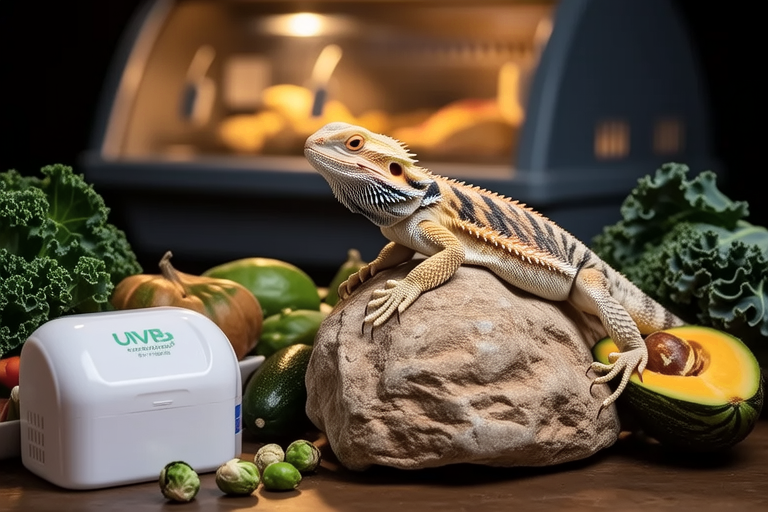
The Ultimate Bearded Dragon Diet Breakdown: What, When, and Why?
Bearded dragons are one of the most popular reptiles kept as pets due to their docile nature and ease of care. However, ensuring your bearded dragon lives a long and healthy life requires careful attention to its dietary needs. This comprehensive guide will break down the essentials of a bearded dragon’s diet, covering what to feed them, when to feed them, and why each component is crucial.
What Should Be Included in a Bearded Dragon’s Diet?
A balanced diet is key to maintaining your bearded dragon’s health. The core components of a bearded dragon’s diet include vegetables, fruits, proteins, and calcium supplements.
Vegetables
Vegetables form the bulk of a bearded dragon’s diet. They provide essential vitamins, minerals, and fiber. Safe options include collard greens, mustard greens, turnip greens, and dandelion greens. Leafy greens like kale and spinach should be given sparingly due to their high oxalate content, which can interfere with calcium absorption. Avoid iceberg lettuce as it has little nutritional value.
Fruits
Fruits should be offered less frequently than vegetables, around once or twice a week. Good choices include berries, melon, mango, and papaya. These fruits offer additional vitamins and antioxidants but are higher in sugar, so moderation is important.
Proteins
Protein sources are vital for growth and muscle development. Suitable options include crickets, dubia roaches, mealworms, and waxworms. Crickets are the most commonly fed, but variety helps ensure a balanced intake of nutrients. Ensure that the insects are gut-loaded (fed a nutritious diet) before being offered to your bearded dragon.
Calcium Supplements
Calcium is critical for bone health. Dusting insects with a calcium supplement without vitamin D3 is recommended daily for juveniles and every other day for adults. A vitamin D3 supplement should also be provided, especially under UVB lighting, to aid in calcium absorption. Over-supplementation can lead to hypercalcemia, so follow manufacturer guidelines carefully.
When Should These Foods Be Offered?
The frequency and portion size of food depend on the bearded dragon’s age and activity level.
Feeding Frequency
Juvenile bearded dragons grow rapidly and require more frequent feedings. They should be fed insects daily and vegetables several times a week. As they reach adulthood, their metabolism slows, and they can be fed less frequently—usually insects every other day and vegetables daily.
Portion Sizes
Portion sizes should be appropriate for the dragon’s size. Juveniles can eat smaller prey items and larger quantities. Adults benefit from fewer, larger meals. Always remove uneaten food to prevent spoilage and potential harm.
Why Each Component Is Crucial
Understanding the nutritional benefits of each dietary component helps explain why they’re essential for your bearded dragon’s health.
Nutritional Benefits
Leafy greens and vegetables provide essential vitamins and minerals, including vitamin A, vitamin C, and potassium. Fruits offer additional vitamins and antioxidants. Proteins supply amino acids necessary for muscle development. Calcium and vitamin D3 are crucial for strong bones and overall health.
Potential Risks
Improper diet choices can lead to various health issues. Insufficient calcium can result in metabolic bone disease, characterized by weak bones and fractures. Excessive protein can lead to obesity and kidney problems. Lack of proper hydration can cause dehydration, affecting digestion and overall health. Ensuring a balanced diet is paramount for preventing these issues.
Practical Tips
- Variety: Rotate through different vegetables and proteins to ensure a wide range of nutrients.
- Gut Loading: Feed insects a nutritious diet before offering them to your bearded dragon.
- Hydration: Provide a shallow water dish for drinking and soaking.
- Supplements: Use calcium and vitamin D3 supplements as directed.
In conclusion, providing a balanced diet is fundamental to keeping your bearded dragon healthy and happy. By understanding what to feed them, when to feed them, and why each component is crucial, you’ll be well-equipped to meet their nutritional needs at all life stages. Remember, a well-fed bearded dragon is a happy and long-lived companion.
